How to Run a 400m Sprint When the Race Is Tomorrow

The night before you run a 400m sprint, the focus shifts from training to race-day execution. You’re thinking about how hard to go out, what the race should feel like, and how to handle the final 100 meters without losing control.
That makes sense for the 400. It sits between short sprinting and sustained speed, so how you manage the lap matters from the opening meters to the finish. With race day close, the most useful questions are often practical: pacing cues, warm-up reminders, and small details you can apply right away.
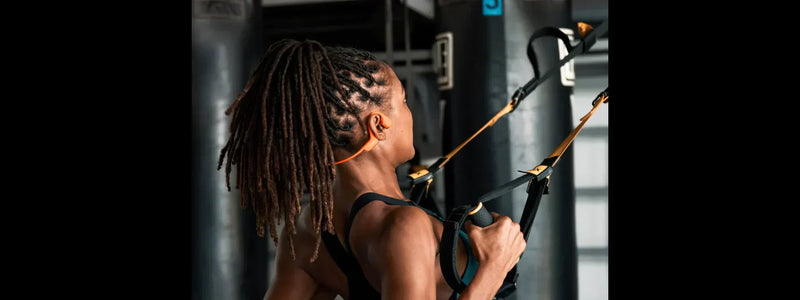
Sometimes those details extend beyond the track. On training days, some athletes use open-ear audio to hear cues while staying aware of what’s happening around them. For organized events, audio-device rules vary, so check the official regulations before racing. As race day approaches, these practical choices become part of getting ready.
The Night-Before Fear Before You Run a 400m Sprint
For many runners, the concern isn’t the first half. It’s when the legs get heavy, the stride becomes harder to maintain, and the finish still feels far away.
Why the race feels manageable early — and brutal late
The first 150 to 200 meters can feel deceptively manageable. Mechanics may still feel organized, and the pace can seem easier than expected.
That’s why an overly aggressive start can become costly. As the race progresses, rhythm and speed become harder to maintain, especially if the opening was too fast.
The pacing mistake most first-timers make
A lot of first-timers run a 400m sprint as if it should be all-out from step one. They attack the first bend, reach 200 meters too aggressively, and spend the home straight trying to hold a pace they can no longer maintain.
The problem isn’t that the first half should be slow. It’s forcing maximum speed too early instead of building into the race and maintaining useful speed.
What good execution actually looks like
A well-executed 400 can look controlled early, composed through the middle, and committed late.
You still go out hard, but not so hard that your shoulders rise and your stride becomes disorganized. You want to attack the race without rushing through it.
Finishing strongly doesn’t necessarily mean suddenly sprinting faster in the final straight. For many runners, it means maintaining mechanics and minimizing speed loss as fatigue builds.
What Changes in Your Body When You Run a 400m Sprint Well
A 400m sprint places a high demand on the muscles and energy systems throughout the race. As the distance builds, fatigue becomes more noticeable: running speed and stride length can begin to decrease, while ground contact time increases. How well you manage the early stages can affect how much control you retain as these changes develop.
The first 50 to 100 meters: acceleration and rising demand
Out of the blocks — or from a standing start — your body is accelerating rapidly and producing high force to build speed. The effort is already demanding, but the visible effects of fatigue may still be limited.
This is why the opening can feel relatively controlled even at a high effort. Your stride is still building toward race speed, while the physiological and muscular demands of the race are already increasing.
The backstretch: fatigue begins to accumulate
Through the backstretch, the body is working at a high intensity while fatigue continues to build. Research on 400m running shows that changes in force production can begin early, with runners initially able to compensate and maintain speed despite increasing fatigue.
For the runner, this can feel like a transition from simply running fast to actively maintaining rhythm and mechanics. The goal is not to eliminate fatigue, but to keep it from disrupting the movement pattern you have established.
The final 120 meters: fatigue becomes harder to hide
By the final stages, the effects of fatigue become more apparent. Studies of 400m sprinting have found decreases in running velocity and stride length alongside longer ground contact times as the race progresses.
This is why the final straight can feel so different from the opening of the race. The body is still producing a high level of effort, but maintaining the same speed and mechanics becomes more difficult. A well-managed race does not remove this fatigue. It can help you reach the final stages with more ability to maintain your running form and limit the loss of speed.
How to Run a 400m Sprint by Race Phase
A 400m sprint is easier to manage when you break the lap into clear phases. Instead of thinking about the entire race at once, give each section a simple purpose: build speed early, settle into rhythm, and stay composed as fatigue increases.
Searching for a pacing plan you can use today
The goal is not to memorize complicated split times. It is to know what you want to do at each point of the race.
From the gun to 100 meters, focus on acceleration without forcing your maximum effort too early. From 100 to 200 meters, settle into the speed you have built and keep your rhythm controlled. Through the third 100 meters, stay focused on maintaining your mechanics as fatigue begins to build. In the final 100 meters, keep working while limiting unnecessary changes to your form.
These phases can also give you a simple structure for training. You can practise your pacing cues during interval sessions or controlled 400m efforts, then use the same cues on race day.
Audio can be another training aid when you are working on pacing. During solo track sessions or warm-ups, an open-ear setup can let you listen to cues, music, or interval prompts while still hearing surrounding sounds. This can be useful when your session involves other runners, coaches, or activity around the track.
Shokz OpenFit Pro and OpenRun Pro 2 both feature an earhook-style open-ear design. The earhook structure provides support for the fit, while the open-ear design keeps the ear canal open. For runners who incorporate audio into their regular training, this type of design can be used for solo sessions, warm-ups, and pacing practice. For races, audio-device rules vary by event, so check the official regulations before race day.
Start to 100 meters: build speed without forcing it
Attack the start. But don’t chase a desperate feeling.
Think: push, rise, build.
If the first 40 meters feel completely out of control, you may be going out too aggressively.
100 to 200 meters: stay smooth and commit
This is where some runners make a second mistake. They either keep pressing harder than necessary or ease too much because they are already thinking about the finish.
The better move is simpler: stay tall, keep the rhythm organized, and carry the speed you established.
200 to 300 meters: posture and rhythm
This is the section where reminders can matter more than emotion.
Check posture. Drop the jaw. Keep the arms moving straight and quick.
When the face tightens and the shoulders climb, use the cue to release unnecessary tension and return attention to your running mechanics.
300 to finish: manage deceleration
Most runners cannot create a completely new sprint in the final stages. Trying to force one can lead to reaching too far in front of the body and disrupting rhythm.
The better target is to keep the form from unraveling and limit the loss of speed as you approach the finish.
What to Tell Yourself When You Run a 400m Sprint and the Pain Arrives
The final straight is where self-talk matters most, because physical sensations become harder to ignore and decision-making can become more difficult.
The mental shift: cues over emotion
Early in the race, feelings can be misleading in either direction. Late in the race, they can become a distraction.
“This is too much” is not useful information at 330 meters.
A short cue is.
Breathing, arms, and stride cues for the home straight
Pick one cue for breathing, one for the arms, and one for the stride.
For example: exhale hard, drive hands, step down under hips.
These cues are simple enough to remember when fatigue is high.
Arm action can be useful because it gives you something specific to focus on when the legs feel heavy. The goal is not to force a bigger arm swing, but to keep the movement coordinated and purposeful.
Short mantras that work under stress
Use something brief enough to remember before the race gets difficult.
Tall and quick.
Hands drive legs.
Hold form to the line.
The wording matters less than the timing. You want the cue ready before the gun, not invented at 350 meters.
Last-Minute Prep Before You Run a 400m Sprint
At this point, preparation is no longer about adding fitness. It’s about arriving ready to run.
Warm up enough to feel ready, not tired
A good warm-up prepares the body for faster running and gives you a chance to rehearse the movement you will use in the race.
Easy jogging, mobility, drills, and controlled strides can all be part of a warm-up. The exact routine should reflect what you have already used successfully in training rather than introducing something unfamiliar immediately before a race.
What to eat and drink before a 400m race
Keep food simple. Keep it familiar.
Eat in a way that fits your normal pre-race routine, and avoid a heavy meal too close to the race. Maintain your normal hydration rather than trying to make up for it immediately before the start.
For a single 400, race day is generally not the time to experiment with a new food or hydration routine.
Common race-day mistakes
Lane panic can show up when runners obsess over who is staggered ahead or behind instead of focusing on their own execution.
Tension can build in the jaw, neck, and shoulders as the race gets harder.
Overstriding late can happen when runners reach forward in an attempt to force more speed.
Hamstring awareness late in the race
This matters when fatigue starts affecting running mechanics.
As the race gets harder, changes in posture and stride can affect how running feels. If the back of the thigh produces sharp or unusual pain rather than normal race fatigue, don’t try to run through it. Stop or back off as appropriate and seek qualified medical advice if the pain persists or is concerning.
Fatigue and changing mechanics can occur together, but they should not be treated as proof that an injury will occur.
After You Run a 400m Sprint: What to Check Right Away
The most useful review happens soon after the finish, while the race is still clear in your head.
What a good 400 time actually means
A good time depends heavily on age, training background, competition level, and context. A school race, a fitness test, and a one-off challenge are not the same thing.
For many runners, the better question is not whether the time was objectively good. It’s whether the time matched the way the race was executed.
How to tell if your pacing worked
If the first 200 felt completely out of control and the final 100 became a dramatic slowdown, your opening pace may have been too aggressive.
If the first half felt fast but organized, and the home straight was difficult without your mechanics completely falling apart, your pacing may have been closer to what you wanted.
What to remember for next time
Write down three things:
-
where the race started to get hard
-
what cue helped most
-
whether you went out too aggressively
That gives you something more useful than a vague memory of suffering.
And if your pre-race routine includes audio during warm-up or solo prep sessions, the same practical standard still applies: awareness first, simplicity second. Open-ear headphones can be one way to keep your ears uncovered during training, but they are not a substitute for checking race-specific rules or deciding what works for your own session.
The point isn’t perfect isolation. It isn’t studio sound. It’s choosing a setup that fits what you need while you get ready to run a 400m sprint well.