The Complete Triathlon Gear Guide for Swim, Bike, and Run

Cheap gear turns multisport into one battle after another with your equipment. Chafing wetsuits, slow-transition shoes, and bouncing hydration packs waste energy on problems that proper triathlon gear eliminates. This guide simplifies your journey by covering essential choices for the swim, bike, and run segments plus the tech that genuinely helps on race day.
The Importance of Proper Gear for Triathlon Races
Equipment failures compound fast across three back-to-back disciplines. High-quality gear acts as a silent partner that supports your body through the grueling demands of multisport.
1. Prevents Injury and Discomfort
Ill-fitting shoes or abrasive fabrics cause race-ending blisters. The wrong bike seat creates numbness that lingers for days. Tight wetsuits restrict breathing and shoulder rotation. Quality triathlon equipment fits properly and removes friction points so you do not derail your performance.
2. Improve Training Efficiency
Reliable equipment eliminates constant adjustments and interruptions, which means more of each session is spent doing productive work instead of fixing problems. This allows you to train longer and harder without sacrificing quality.
3. Build Confidence and Consistency
Training with race-tested gear removes uncertainty and builds confidence, while using the same setup in training and racing also improves consistency by developing transition muscle memory and predictable timing, eliminating last-minute surprises.
Swim Gear for Every Triathlon Distance
Water conditions between pool sprints and choppy open water are night and day. Your swim equipment has to handle temperature swings while keeping your full range of motion.
1. Wetsuits and Swimskins
Spending over an hour in the water for an Ironman means you need ironman triathlon gear that actually keeps you afloat and warm. Don’t settle for a stiff suit; you need those thin, stretchy shoulder panels or your stroke will feel like total garbage by mile one. If the water is too hot for neoprene, just zip into a swimskin to shed that extra drag and keep your speed up.
2. Goggles and Swim Caps
Trying to find a buoy in the sun is a nightmare without the right tint. Get goggles that won't fog up and offer a wide view so you don't get kicked in the face by the pack. A snug silicone cap is the simplest way to stay hydrodynamic and keep your hair from becoming a giant distraction.
3. Earplugs and Nose Clips
Vertigo or a nasty ear infection will end your race faster than a flat tire. These tiny pieces of plastic are total lifesavers for anyone who struggles with sinus pressure or swimmer's ear. They weigh next to nothing, so there is no reason not to toss them in your transition bag just in case.
4. Swim Buoys
You won't use these on race day, but bright tow floats are a must for open-water training to make sure boats can see you. Most models create almost zero drag while giving you emergency flotation if you need to stop and clear your goggles.
5. Anti-Chafing Product
Saltwater and neoprene are a total recipe for wetsuit burn around the neck and pits. Rubbing some Body Glide or a similar lubricant on your neck and underarms is a mandatory step before you zip up. It prevents the kind of chafing that can ruin your entire weekend.
Bike Gear and Accessories
The bike leg takes up about half of your total race time. Since it is the longest portion of the day, efficiency and comfort are everything.
1. Road Bikes or Triathlon Bikes
Road bikes are versatile and stable, making them great for beginners or shorter courses. But if you are moving toward long-distance events, a dedicated tri-bike offers an aerodynamic position that is unmatched for speed.
2. Clipless Pedals and Cycling Shoes
Clipless pedals lock your feet in for better power transfer, allowing for a circular "pull" that engages more muscle groups. Stiff soles prevent power loss, while triathlon-specific shoes usually have a single strap and a heel loop for fast transitions.
3. Cycling Helmets
Safety is the top priority, and every sanctioned race requires a functional helmet. You can choose between well-ventilated road helmets or aero "teardrop" shapes designed to shave seconds off your time. A proper fit is vital so the helmet doesn't shift and create blind spots.
4. Hydration Systems
Standard frame bottles work fine for shorter races. Longer courses usually require aero cages or rear-mounted systems so you can drink without leaving your aero tuck. Bottles with straws allow you to hydrate without looking down. Plan for at least one bottle per hour.
5. Nutrition Storage
Small bento boxes mounted to the top tube are perfect for easy access to gels, salt tabs, and bars. Rear pouches are also great for extra storage. You need to maintain a steady calorie intake throughout the entire ride.
6. Bike Computers
A GPS unit tracks metrics like cadence, speed, and power to help you pace effectively and avoid wrong turns. Heart rate integration helps you monitor your effort. Even a basic computer helps you follow your race plan and avoid "burning matches" too early.
7. Maintenance Tools and Spare Parts
Mechanical issues happen. Always carry two tubes, tire levers, and a CO2 inflator. A good multi-tool can handle most on-road adjustments.
Running Gear for Triathlon Equipment
The final leg is all about mental toughness meeting your physical prep. When you're running on tired legs, you need gear that can actually handle the grind of back-to-back disciplines.
1. Lightweight Running Shoes
Cushioned running shoes are a lifesaver for your joints after the bike. Swapping regular laces for elastic ones is a total pro move—it stops you from fumbling in T2. Just make sure you break them in well before race day to avoid blisters.
2. Socks and Compression Gear
Going sockless might save a few seconds, but technical socks are usually the better bet for avoiding hot spots over long miles. Lots of athletes also swear by compression sleeves to keep their legs feeling fresh during that Ironman marathon.
3. Moisture-Wicking Clothing and Race Apparel
A solid tri-suit is the way to go since you wear it for the whole race. These use high-tech fabrics that dry off fast after the swim and won't feel heavy or awkward while you are out on the run course.
4. Sunglasses, Hats, and Sun Protection
A mesh hat is great for blocking the sun while letting your head breathe. Also, don’t skip the sunglasses; they protect you from road debris and keep you from getting a headache from squinting all afternoon.
5. Running Belts and Hydration Packs
Aid stations on the course are usually plenty for the short stuff. But for long-distance or solo sessions, a vest or belt lets you carry the specific hydration and electrolytes your body is used to.
6. Nutrition Carriers
If your suit is short on pockets, a race belt with gel loops is the easiest way to haul your fuel. It keeps your hands free and makes sure your nutrition is right there when you need it.
Additional Essential Gear for Triathlon Races
Beyond your basic equipment, you need tools to track your effort and keep you dialed in. Smart tech is a huge help across all segments of the race.
1. Heart Rate Monitors
This is the most reliable way to gauge your effort. Chest straps are the go-to for accurate data to prevent you from blowing up too early. Optical wrist sensors are fine for casual rides, but they often lose accuracy once the intensity hits its peak.
2. GPS Watches
A solid multisport watch will auto-switch between disciplines so you don't have to fumble with buttons. Use interval timers to structure your training sessions. Just make sure the battery life can actually outlast your longest race day.
3. Wireless Headphones
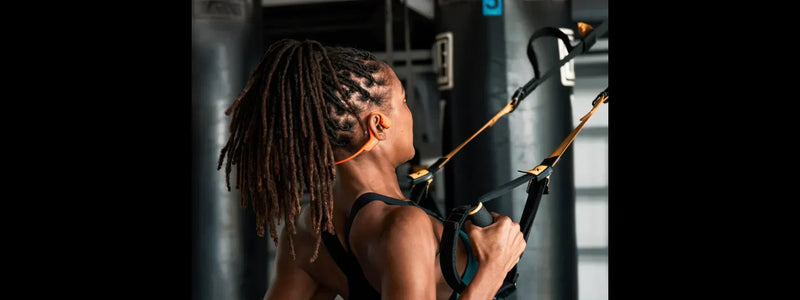
Training for those endless miles is brutal without some music, but you can’t just tune out the world for safety reasons. A solid pair has to survive buckets of sweat while letting you actually hear a car coming behind you.
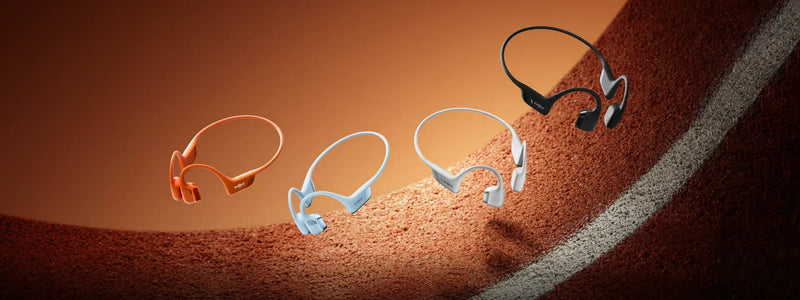
The Shokz OpenRun Pro 2 is a standout here because it doesn't plug your ears. Its Ni-Ti memory wire stays put even when you’re sprinting, and at only 30.3 grams, you’ll honestly forget you’re wearing them. Plus, they have IP55 waterproofing to handle rain or sweat.

Just a heads-up: most races ban headphones on the course, so keep these for your training blocks only.
4. Transition Bag
Think of this as your portable headquarters. You need a bag with separate, dedicated pockets for your wet gear, dirty shoes, and helmet. When your heart rate is redlining in T1 and your brain feels like mush, you don’t want to be digging around for your socks at the bottom of a dark bag.
FAQ
1. What Items Are Most Often Forgotten on Race Morning?
Timing chips and body marking are the big ones people forget. Always double-check for your race belt, because you're stuck in T2 if that bib isn't showing.
2. How Often Should Triathlon Gear Be Replaced?
Toss your running shoes after 300 to 500 miles or your joints will pay for it. Wetsuits last for years, but get new bike tires the moment you see a crack or a flat spot.
3. What Should I Do if Equipment Fails Mid-Race?
Equipment issues can happen on any leg. For bike problems, pull off and swap a tube if needed—support crews can help, but knowing how to fix it yourself saves time. For other gear, practiced transitions and backup items can get you back on track quickly.
4. Are Wireless Headphones Allowed During Triathlon Races?
Almost never. Most races ban wireless headphones for safety so you can actually hear the bikers passing you, so leave the music for your training sessions.
5. What Gear Adjustments Should Be Made for Hot vs Cold Races?
If it's scorching, stick to white fabrics and ice hats to keep from redlining. For cold races, toe covers and a solid thermal base layer are lifesavers when the wind starts biting.
Conclusion
Choosing the right kit is really just about clearing out the noise so you can actually race. You need stuff that stops blisters in their tracks and keeps your T-transitions smooth without making you feel like total garbage by the final mile. Don't be that athlete who tries a brand-new setup on race morning; it is a huge mistake. Instead, beat your equipment up during training to make sure there are zero surprises when the gun goes off. Once your triathlon gear is finally dialed in, all that sweat you put in during those long weeks will actually pay off in the results you want.