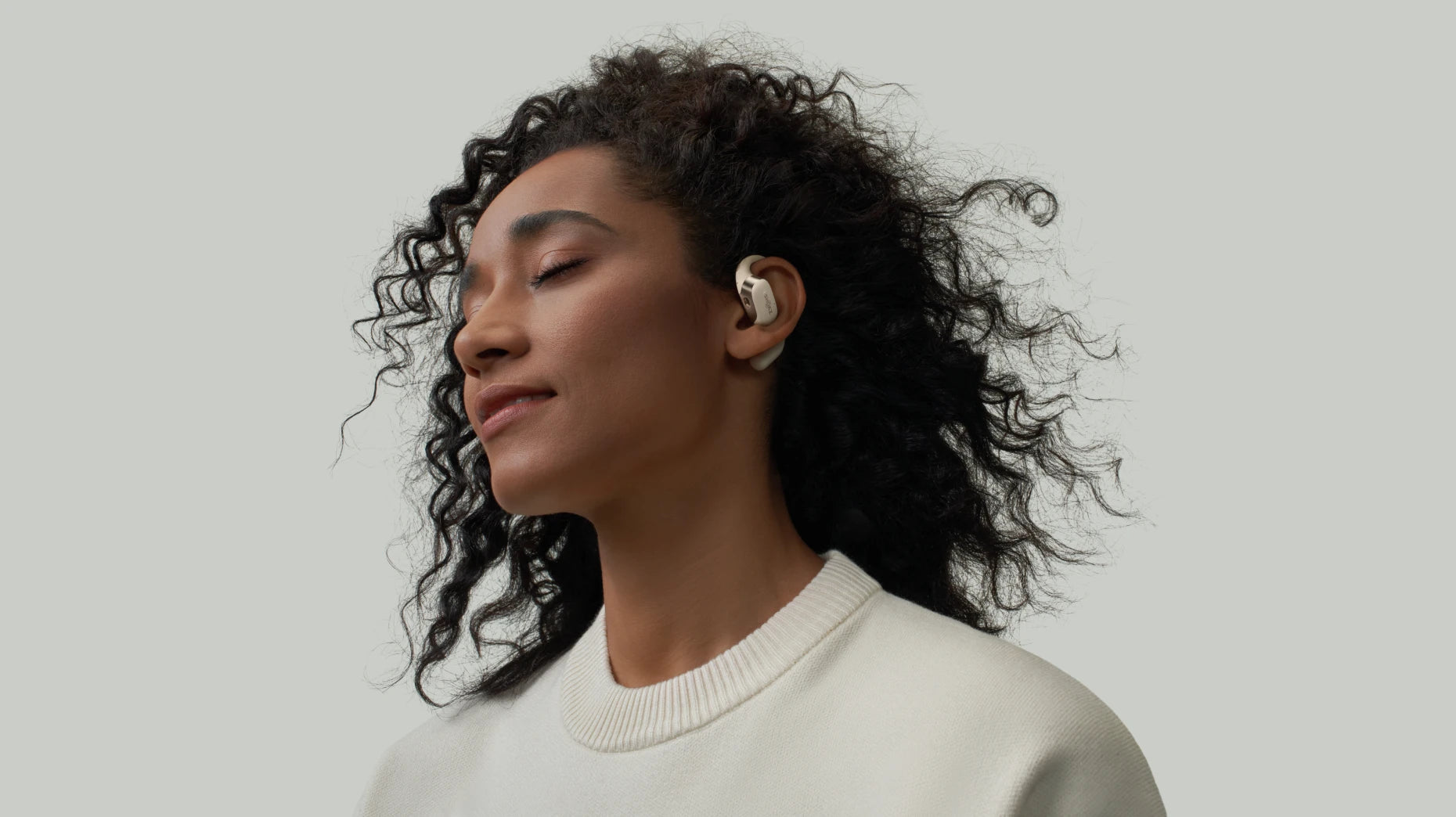
What Is Transparency Mode: How It Works on Earbuds
Headphones are not just for blocking the world around you. Suppose you are walking through Times Square, sitting at a Starbucks with a lot of work to do, or riding a bike in Central Park. For the above scenarios, you want to hear what is happening around you. At the time, you do not want to miss out on anything from the podcast you are listening to or the music you are playing on your headphones. This is where transparency mode can be helpful.
When you get a feel for how transparency mode works and spot the times it really matters, you can choose a listening style that fits your day.
What Is Transparency Mode on Earbuds
Transparency mode is a listening feature found on many in-ear earbuds and wireless headphones. Instead of cutting you off from the world, it lets you stay aware of what’s around you.
At its core, transparency mode uses microphones and digital processing to recreate environmental sound inside your ears. This differs from traditional listening, where earbuds block outside noise in a physical approach.
Benefits of Transparency Mode
Transparency mode enables a smart balance between enjoying your audio and staying tuned in to your surroundings. Its benefits are especially noticeable in daily scenarios.
-
Enhanced Environmental Awareness: You can hear important sounds such as approaching vehicles, alarms, or people speaking nearby. This is useful when walking in cities, waiting at stations, or moving around shared spaces.
-
More Natural Communication: Transparency mode makes conversations easier without needing to pause audio or remove earbuds. Voices come through clearly, so you feel more natural during your conversations.
-
Reduced Ear Pressure: This feature is a plus, because it lets in some of the sounds from outside. A lot of people who use them say they feel pressure in their ears. This is different, from earbuds that block out all the sound or when you have noise cancellation on all the time. Reduced Ear Pressure is really nice because it makes your ears feel better.
-
Better for Daily Scenarios: From your morning commute to working in a shared space or relaxing at home, transparency mode gives you the flexibility to stay connected without constant switching between different modes.
Limitations of Transparency Mode
Although transparency mode is convenient, it has technical and practical limits that you should know.
-
Increased Battery Consumption: You may notice that your earbuds run out of power faster when the microphones and audio processing are always on. So you may need to charge the earbuds sooner than you would if you were just listening to music normally with your earbuds.
-
Limited Accuracy of Reconstructed Environmental Sound: The audio you hear is recreated digitally, so it may not feel natural.
-
Potential Latency and Processing Delay: In busier or more complex settings, you might notice a tiny lag between something happening in real life and when you hear it through your earbuds.
How Does Transparency Mode Work
Fully understanding how transparency mode works helps to look at the process behind the scenes. Transparency mode does not simply “open” your ears; it actively rebuilds the surrounding sound.
1. External Microphones Capturing Ambient Sound
Transparency mode starts with external microphones on your earbuds, constantly grabbing the sounds around you. These microphones are designed to capture noises such as voices, traffic, or announcements before the sound reaches your ears.
Unlike passive listening, the earbuds actively collect environmental audio in real time, creating a digital representation of what is happening around you. This is the first step in allowing transparency mode to let outside sound return while you are listening to music or taking calls.
2. Digital Signal Processing (DSP) and Sound Mixing
Once ambient sound is captured, it is processed by the earbuds’ digital signal processor. The DSP analyses the incoming environmental audio, adjusts its volume and frequency balance, and then blends it with your audio.
This mixing process is designed to make outside sound audible without overpowering your main audio. But because it’s all mixed digitally, it might not sound like hearing the world naturally.
3. How Processing Affects Timing, Clarity, and Realism
Since the sound is recreated digitally, it’s not exactly the same as hearing with your own ears. This explains why transparency mode can sometimes feel less natural, especially when you are moving or when noise levels change suddenly.
Here’s the trade-off: you acquire the awareness you need, but the sound isn’t always perfectly “live.” It’s helpful to keep in mind, especially when comparing transparency mode to simply removing your earbuds.
Transparency Mode vs Active Noise Cancellation (ANC)
You'll often find both transparency mode and ANC in the same pair of earbuds. But do you know that they do very different things? Think of them as two modes you can switch between, depending on where you are and what you need.
1. Blocking Noise vs Letting Sound In
ANC actively reduces external noise by generating counteracting sound waves, making it easier to focus in loud environments. In contrast, transparency mode uses the earbuds' external mics to bring in the outside sound. You’ll hear people, traffic, announcements, and more while your music or podcast keeps playing. It’s ideal for staying aware when you’re out walking, commuting, or need to stay tuned.
2. Effectiveness in Managing Environmental Noise
ANC works better when you need to create a quiet bubble (imagine that you are in a busy office, on a flight, or in a loud café). It helps you focus by softening the world around you. Transparency mode, on the other hand, keeps you connected to your environment. It’s great for walking around the neighborhood, riding a bike, or any time you want to stay aware of what’s happening nearby.
3. Impact on Focus, Awareness, and User Control
Users can switch between ANC and transparency modes, depending on their needs. ANC helps you focus by reducing distractions, while transparency mode keeps you alert and connected to the environment. Choosing the right mode ensures both safety and listening comfort in varying situations.
Digital Transparency vs Open-Ear Listening: Different Approaches to Environmental Awareness
Both transparency mode and open-ear listening let you hear your surroundings, but they do so in very different ways. Understanding how each approach captures sound helps explain their strengths and limitations.
1. How Environmental Sound Is Captured
Transparency Mode: Uses microphones and digital processing to recreate external sounds inside your ears. Convenient, but the sound may not feel fully natural.
Open-Ear Listening: Lets sound reach your ears directly, unprocessed, giving a true sense of your environment.
2. Sound Consistency in Real World Conditions
Transparency Mode: Can struggle in noisy or fast-moving situations, like cycling or walking through crowds. Some sounds may feel delayed or filtered.
Open-Ear Listening: More consistent in motion-heavy or outdoor scenarios, as it provides direct environmental awareness.
3. Ear Canal Involvement and Long-Term Comfort
Comfort and ear health are essential considerations for most people, especially for extended use during work, travel, or outdoor workouts.
In-Ear Earbuds with Transparency Mode: Still occupy part of the ear canal, which can create pressure or fatigue over long sessions, particularly during movement.
Open-Ear Headphones: Rest outside the ear canal, allowing for prolonged wear with reduced discomfort while maintaining environmental awareness.
4. Suitability Across Work, Sports, and Daily Use
Knowing which scenarios each approach is best suited for can guide your choice.
Transparency Mode: Best for office, travel, and casual listening. Keeps you aware in controlled or quieter environments like co-working spaces, public transport, or light commuting.
Open-Ear Listening: Ideal for outdoor activities such as running, cycling, or walking in busy areas. Provides direct environmental awareness and long-term comfort for active use.
For activities where environmental awareness matters—such as running, cycling, or busy streets—open-ear headphones offer a safer, more practical choice. Models like Shokz OpenRun Pro 2 and Shokz OpenDots One combine clear audio with reliable situational awareness, making them well suited for active and outdoor use.
For runners and cyclists, the Shokz OpenRun Pro 2 offers open-ear listening that keeps you aware of your surroundings on roads or trails. With 10th-Gen Bone Conduction Tech (DualPitch™), it delivers clear, balanced sound with reduced vibration for safer, comfortable outdoor use.

Key Features:
-
DualPitch™ bone conduction delivers clear sound with less vibration for long, intense workouts.
-
Multiple EQ options adapt easily to city runs or park trails.
-
Ni-Ti memory wires ensure a stable, secure fit during movement.
-
Up to 12 hours of battery life supports extended outdoor training.
Shokz OpenDots One is designed for light outdoor use and daily activities such as commuting or walking in busy areas. Its open-ear design keeps surroundings audible while delivering balanced audio, making it a practical option for everyday comfort and awareness.

Key Features:
-
Preset and custom EQ options adapt sound for commuting, outdoor use, or home office listening.
-
Ultra-light build with a flexible Ni-Ti frame stays secure and comfortable all day.
-
Up to 10 hours of listening time, extended to 40 hours with the charging case.
Tips for Using Transparency Mode
To really get the most out of transparency mode, you should use it when it is actually useful, not just have it on all the time. The following notes will help you stay aware of what's going on to stay safe and save the battery of your device.
1. Adjust Transparency Levels for Different Environments
Use lower levels indoors or in quiet spaces, and higher levels outdoors or in noisy streets to hear traffic, announcements, and approaching people without compromising audio quality.
2. Use Transparency Mode Strategically for Safety and Awareness
Flip to transparency when you’re crossing a road, walking through a crowd, or talking to someone nearby. Switch it off when you want to focus or enjoy music without outside interruptions.
3. Switch Between Transparency and ANC to Save Battery Life
Save power by using ANC in calm or indoor settings, and switch to transparency when you’re outside and need to be aware. Moving between the two modes as needed helps your buds last through the day.
FAQs
1. Does Transparency Mode Affect Music Sound Quality?
Transparency mode may slightly alter sound by letting in outside noise, but music remains clear and enjoyable. For most users, the impact is minimal and balanced by improved awareness and safety.
2. Can Transparency Mode Be Customised or Adjusted?
Usually, yes. Many earbuds now let you tweak the transparency level in their apps, so you can fine‑tune it for different places. You can turn it up on a busy street or turn it down in a quiet office.
3. Can I Use Transparency Mode During Calls?
It really does help. This makes your own voice sound more natural to you, so you feel at ease when you are on calls.
4. Is Transparency Mode Effective in Windy Outdoor Environments?
Its effectiveness can be limited in strong winds or highly dynamic outdoor settings. Wind noise may interfere with the microphones, which can affect how clearly environmental sound is reproduced. In really gusty conditions, you might notice it doesn’t feel as natural.
Conclusion
Transparency mode lets you enjoy music or podcasts while staying aware of what’s happening around you, which is especially helpful when moving through busy city spaces like public transit or cafés. It offers a good balance between listening and staying alert. For activities like running or biking, open-ear listening provides a more natural awareness of your surroundings, making it easier to stay connected to the environment.
Ultimately, it’s all about how you live your day. Whether you’re commuting in Chicago, working from a co-working space in Austin, or just relaxing at home, choosing the right listening style comes down to balancing comfort, awareness, and the simple joy of your audio.
Author Information

guides on Shokz
Related Posts