Ear Pain from Headphones: Causes and How to Prevent It
Headphones have become an indispensable part of modern life. We use for work, exercise, and entertainment. However, for many, for many, putting on headphones can lead to discomfort, pressure, or even sharp ear pain. If you've ever experienced that aching relief when you finally take them off, you know exactly what we mean. Understanding the root causes of this pain is the first step toward enjoying your audio comfortably.
Why Do My Ears Hurt When I Wear Headphones?
Ear pain from headphones is often a combination of factors. Discomfort comes from how we use them and the type of device we choose. Identifying the specific cause is crucial for finding the right solution.
Excessive Loudness
Listening at high volumes strains the inner ear drum. This potentially causes a dull ache and you risk noise-induced hearing loss.
Improper Fit
Earbuds that are too large press on the ear canal. Earbuds too-small tips may be pushed too deep. Over-ear or on-ear headphones with tight headbands can create pressure on the ear cartilage, skull, or jaw.
Prolonged Use
Wearing wireless headphones for long periods can cause fatigue, heat, moisture buildup, and even ear infections.
Headphones Pressure
Headphones that clamp too tightly, or some have stiff padding, can cause soreness around your ears or temples. The constant pressure may lead to mild ear pain after long use.
Allergic Reactions
Some ear tips and cushions use silicone or foam. These can irritate sensitive skin. If you are allergic to these, choose safer materials.
Risks of Improper Headphone Use
Over time, bad habits may cause lasting hearing issues or infections. Sometimes you may encounter these common problems.
Hearing Loss
Listening at high volumes for long periods damages the tiny hair cells in your inner ear. This leads to gradual and often irreversible hearing loss.
Tinnitus
Extended exposure to loud sounds can trigger a constant ringing or buzzing in the ears. This is what we call tinnitus. It may persist even if you don’t wear the headphones.
Ear Fatigue
Wearing headphones too long or at high volume causes strain on your auditory system. You may feel pressure, dull pain, or reduced sound sensitivity.
Ear Infections
Unclean earbuds trap moisture and bacteria, creating the perfect environment for infections. Sharing or using during workouts will increase the risk.
How to Protect Your Ears from Headphone Pain
Don't give up listening to headphones to avoid discomfort. Just make some simple adjustments to your habits and equipment. This can significantly reduce or eliminate ear pain and safeguard your hearing health.
Manage Volume
Follow the "60/60 rule", that is, listen at no more than 60% volume for up to 60 minutes. Use smartphone warnings or monitoring tools to track exposure.
Take Breaks
Rest your ears for 5–10 minutes every hour. This will relieve ear pressure and protect inner-ear structures.
Ensure Comfort Fit
Use ear tips that seal comfortably without being too tight. Adjust headbands to reduce clamping force. A proper fit keeps headphones secure without causing pain.
Start Low
Begin listening at a low volume and gradually increase it until it’s clear and comfortable. Avoid putting headphones on at high volume to prevent sudden spikes.
Regular Check-Ups
You may need to see a professional if you have persistent pain, ringing, or muffled hearing. Routine hearing exams can detect early signs of damage.
Consider Headphone Type
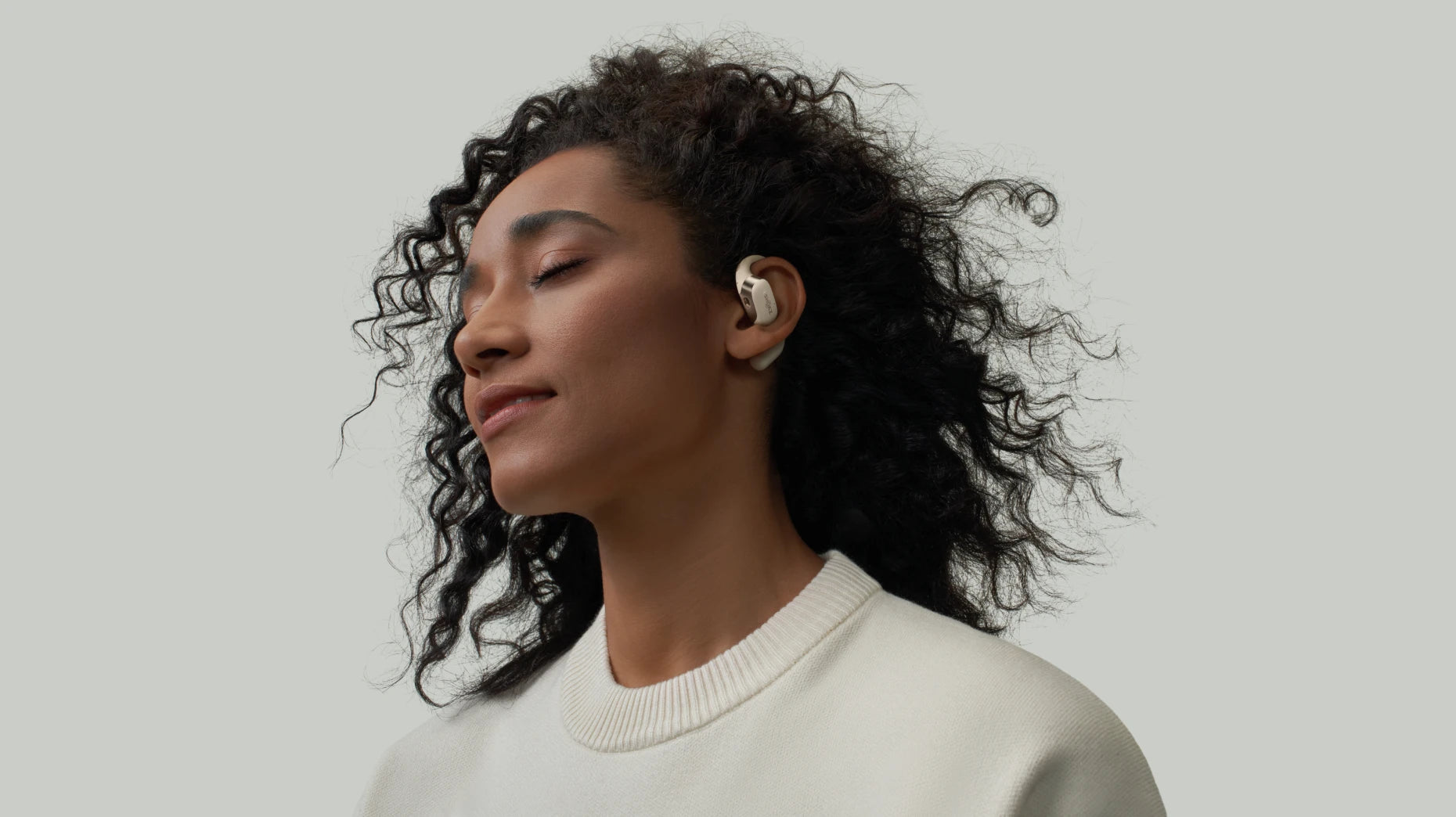
Open-ear designs reduce ear canal pressure and moisture buildup. They offer a more comfortable alternative to traditional earbuds.
3 Open-Earbuds for Comfort and Pain-Free Listening
Switch to open-ear technology to avoid ear discomfort caused by traditional earbuds. Choose Shokz's open-ear headphones, which prioritize comfort by not blocking the ear canal entirely.
OpenFit 2
OpenFit 2 is designed for active users. It provides a secure, comfortable fit for long listening sessions. Its lightweight ear hook gently wraps around the ear, without pressing on the ear canal. This makes it ideal for running, gym workouts, or all-day wear.

-
Comfort-First Design: Ergonomic ear hook eliminates internal ear pressure.
-
Active Use Ready: Stable fit stays in place during movement.
-
Distraction-Free Listening: Lightweight design keeps you focused on audio, not adjustments.
-
Durable and Sweat-Resistant: Perfect for exercise-heavy routines.
Shokz OpenDots ONE
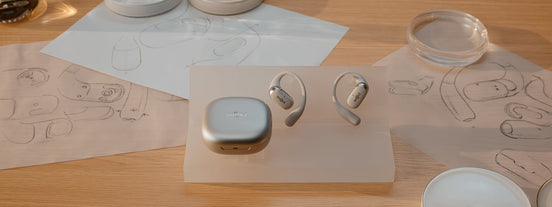
OpenDots ONE clips easily on the outer ear lobe, and rests entirely outside the ear canal. This open design reduces ear fatigue and allows natural airflow. Its ultra-lightweight structure is perfect for users who prioritize comfort above all.

-
Ultra-Lightweight Comfort: Almost unnoticeable during wear.
-
Zero Ear Canal Contact: Prevents irritation and deep ear pressure.
-
Enhanced Airflow: Reduces sweat and moisture-related discomfort.
-
Minimalist Design: Great for casual or long-term use without extra bulk.
OpenFit 2+
OpenFit 2+ adds premium features to the OpenFit 2. It’s for users who want advanced functionality without sacrificing ear-friendly design. It offers longer battery life and improved connectivity for uninterrupted all-day use.

-
Pressure-Free Comfort: Keeps ear canal open for pain-free listening.
-
Premium Audio: The sound quality unpacked in this headphone is significantly better compared to earlier versions.
-
Advanced Features: Longer battery life and reliable wireless connection.
-
All-Day Versatility: Suitable for both active and work-from-home users needing long-term comfort.
Open-Earbuds Comparison for Comfort and Pain-Free Listening
|
Model |
Key Feature for Comfort |
Design Focus |
|
OpenFit 2 |
Focus on stability and comfortable fit around the ear. |
Active/All-Day Wear, Stable and Secure Fit |
|
Shokz OpenDots ONE |
A truly open, lightweight design that rests outside the ear. |
Extreme Lightweight, No In-Ear Pressure, Minimalist |
|
OpenFit 2+ |
Enhanced version offering a secure and premium open-ear experience. |
Premium Features, Secure Fit, Guaranteed Pain-Free Listening |
All three headphones utilize an open-ear design. This eliminates the ear canal pressure, moisture build-up, and pain associated with traditional earbuds.
-
OpenFit 2 is the best choice if you prioritize a secure, stable fit for active use while maintaining comfort.
-
Shokz OpenDots ONE is the optimal choice for users seeking the lightest, most unobtrusive, and zero-pressure experience.
-
OpenFit 2+ is for those who desire pain-free comfort of the open-ear design with enhanced performance and features.
Other Tips to Reduce Ear Pain After Wearing Headphones
Here’s a few simple maintenance and settings adjustments that can make a difference in long-term comfort and hygiene.
Keep Your Ears Dry and Cool
In ear earbuds seal the ear canal and can trap moisture and increase temperature. This creates an ideal breeding ground for bacteria, and possible ear infections. Make sure to gently dry your ear after using sealed earbuds during strenuous workouts.
Adjust Equalizer Settings
High-frequency sounds (treble) and very high-volume bass can be more fatiguing and potentially damaging to the ears than mid-range sounds. Use your device’s equalizer (EQ) settings to slightly reduce the very high and very low frequencies. This makes listening smoother and less fatiguing.
Use Noise-Canceling Features Wisely
Active Noise Canceling (ANC) can be a double-edged sword. ANC is excellent for blocking out noisy environments. It allows you to listen at a lower volume. However, some people are sensitive to the low-frequency pressure created by ANC. This can cause headaches or a feeling of "ear pressure." If you experience this, try turning ANC off or using passive noise isolation instead.
Store Headphones Properly
Tossing headphones in a bag can lead to damaged wires or, worse, deform the headband. Always store and maintain wireless earbuds in a protective case. This preserves their material integrity and maintains the original clamping force.
Clean Your Headphones Regularly
Earwax and sweat can build up on ear tips and headphone pads. This accumulation can harbor bacteria and also alter the sound quality. Use a soft, dry cloth or an alcohol wipe (for non-porous surfaces) to clean them frequently.
FAQ
How Do You Fix Ear Pressure from Headphones?
Ear pressure is often caused by a tight seal, especially with ANC on sealed in-ear models. You can fix it by trying smaller ear tips and taking frequent breaks. You can also use an open-ear type of headphone. If using ANC, try turning this feature off occasionally.
Can You Reverse Ear Damage Due to Loud Headphones?
Temporary hearing loss (TTS - Temporary Threshold Shift) often reverses within a few hours or days with rest. However, permanent damage (Sensorineural Hearing Loss), where the hair cells in the cochlea are destroyed, cannot be reversed. This is why prevention and safe listening volumes are so critical.
How to Wear Earphones So They Don't Hurt?
The key is finding the right tip size that creates a good seal without excessive pressure. For conventional earbuds, a slight rotation after insertion often helps lock them into a comfortable position. Do not jam in-ear earbuds deep into the ear canal.
Can Open-Ear Headphones Help Relieve Ear Discomfort?
Yes, absolutely. Open-ear headphones like the Shokz models are highly effective at relieving discomfort. Open-Ear headphones don't enter or seal the ear canal. They avoid the pressure, moisture build-up, and deep canal pain associated with traditional sealed earbuds.
Is It Normal for Headphones to Hurt My Head?
Pain on the top of the head or around the temples is usually caused by the clamping force or weight of over-the-ear headphones. It is not normal to have pain. Look for models with lower clamping force and softer, thicker padding on the headband.
Conclusion
Ear pain from headphones is a common but entirely solvable problem. By diligently mManaging your volume levels, ensure your devices fit properly, and take regular listening breaks. Also, consider switching to pressure-free alternative like open-ear headphones. You will enjoy your favorite audio content comfortably. Your hearing health is an investment, treat it with care!
Author Information

guides on Shokz
Related Posts