In-Ear, Semi-In-Ear, and Open-Ear Headphones Explained: Which Suits Your Listening Style

Finding the right running headphones often starts with a common frustration: dealing with throbbing, "stuffed-up" ear pressure that ruins your rhythm mid-run. As one runner shared online:
"My ear canals get so painful from in-ear buds that I eventually have to just take them out." — from Reddit
To make the right upgrade, let's compare how the three main designs—In-Ear, Semi-In-Ear, and Open-Ear—physically interact with your ears to see which one finally eliminates that pressure.
In-Ear vs. Semi-In-Ear vs. Open-Ear: How Each Design Feels on the Run
Finding the right running companion means understanding how different shapes translate into physical sensations on the road. Here is a quick look at the general running experience each design tends to offer:
-
In-Ear (The Isolated Fit): Sits deep in the canal. While it usually offers immersive sound, the sealed design can sometimes amplify your internal sounds, like heavy breathing and footsteps.
-
Semi-In-Ear (The Balanced Fit): Rests lightly at the ear opening. It generally feels more breathable, though the looser hold might require occasional adjustments during faster paces.
-
Open-Ear (The Unobstructed Fit): Sits entirely outside the ear. By leaving the canal clear, it typically provides a weightless sensation while keeping you comfortably aware of your surroundings.
In-Ear vs. Semi-In-Ear vs. Open-Ear: Which Solves Running Ear Pressure?
When choosing running headphones, how the device physically interacts with your ear dictates your comfort over long miles. While open-ear designs are highly rated for avoiding painful ear pressure, understanding the specific pressure mechanics of each style is key to making the right investment. Here is a quick breakdown of how In-Ear, Semi-In-Ear, and Open-Ear models compare in action:
|
Headphone Type |
Pressure Mechanism |
Comfort Level |
Primary Discomfort |
|
In-Ear |
Airtight seal; traps dynamic air pressure. |
⭐⭐ |
"Plugged" sensation, frequent need to pop ears. |
|
Semi-In-Ear |
Hard plastic resting on the concha/cartilage. |
⭐⭐⭐ |
Cartilage soreness and friction bruising. |
|
Open-Ear |
Zero canal contact; ambient airflow. |
⭐⭐⭐⭐⭐ |
Minimal (avoids the ear canal entirely) |
In-Ear Earbuds: Dynamic Pressure and The Occlusion Effect
While great for blocking noise, the silicone seal of in-ear buds often traps air during runs. This can trigger the "Occlusion Effect," amplifying your footsteps into heavy thuds. Over long distances, this dynamic air pressure frequently leads to ear fatigue.
Semi-In-Ear Headphones: Friction and Cartilage Aches
Though they don't block the canal, semi-in-ear models rely on hard plastic resting against the outer ear for stability. The repetitive impact of running can turn this physical contact into friction, which may cause cartilage soreness over time.
Open-Ear Headphones: Minimized Pressure and Open Canal
By resting outside the ear, these designs allow natural airflow to balance internal pressure. This approach significantly reduces the muffled thumping of sealed buds and lessens the friction of hard plastics, generally offering a more comfortable experience for longer miles.
3 Essential Tips for Choosing Open-Ear Headphones
Now that we know open-ear designs are the most effective way to eliminate that dreaded "plugged" feeling, how do you pick the right pair? To ensure your new headphones don't just relieve ear pressure but actually enhance your run, keep these three factors in mind:
-
Match the Form Factor to Your Intensity: Not all open-ear designs are built the same. If you primarily do light jogging or treadmill work, independent ear-hook styles offer great comfort. However, if you are doing high-intensity interval training (HIIT) or trail running, you will need the locked-in stability of a wraparound neckband.
-
Check the Weight Distribution: Because they don't anchor inside the ear canal, open-ear headphones rely on resting on your outer ear. Look for designs that balance the battery and acoustic components evenly so they don't drag down on your cartilage.
-
Prioritize Sweat Resistance (IP Rating): Since open-ear headphones sit outside the ear, they are directly exposed to the sweat rolling down your face and neck. Ensure they have a strong water-resistance rating to handle long, humid miles.
Best Open-Ear Running Headphones Recommended
Based on the criteria above and the need for minimal-pressure comfort, here are two standout options tailored for different running styles:
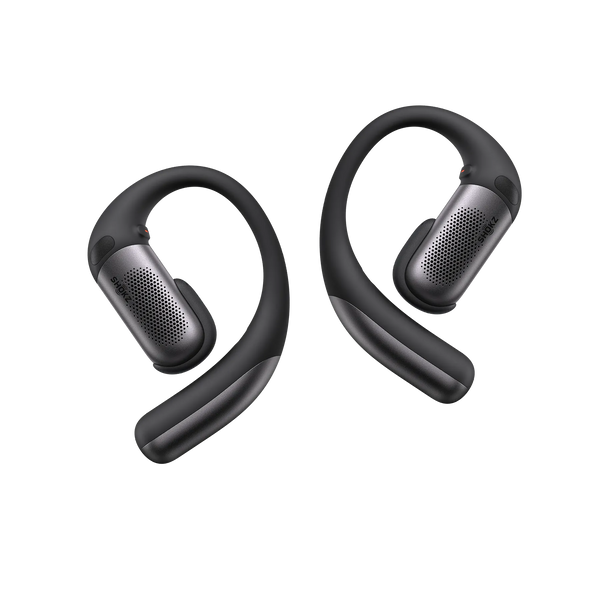
Shokz OpenFit Pro Sports Earbuds (Best for Light to Moderate Runs)
Ideal for everyday jogging, the OpenFit Pro utilizes a flexible ear-hook design that rests gently outside the ear to minimize canal pressure. It features up to 50 hours of total battery life (12 hours per charge with open-ear noise reduction off) and an IP55 water-resistance rating. Combined with its open-ear design, it offers a reliably comfortable and focused listening experience for steady-state cardio.
Shokz OpenRun Pro 2 (Best for High-Intensity Runs)
Built for aggressive sprints and rugged trails, the OpenRun Pro 2 uses a titanium wraparound frame for enhanced stability during heavy footstrikes. It features DualPitch™ technology (combining bone and air conduction) for richer audio while leaving your ears unblocked. Backed by an IP55 sweat-resistant rating and up to 12 hours of continuous battery life, it delivers a secure, pressure-reducing fit for demanding miles.

FAQ
Q1: How can I relieve ear discomfort caused by in-ear earbuds?
A: To minimize discomfort while running with in-ear buds, try taking them out every 30 minutes to let your ear canals "breathe" and allow trapped moisture to evaporate. You can also try swapping to a smaller set of silicone ear tips; a slightly looser seal will reduce the dynamic air pressure that causes that painful "thumping" sound.
Q2: What should I keep in mind when using open-ear headphones?
A: Because open-ear headphones do not block your ear canal, you will hear your environment clearly. This is excellent for outdoor situational awareness and safety, but it means they aren't ideal for drowning out loud noises in a crowded gym. Additionally, finding the "sweet spot" by adjusting how they sit on your ear is crucial for maximizing bass response.
Q3: How do I ease cartilage soreness from semi-in-ear headphones?
A:Semi-in-ear buds cause pain via hard plastic rubbing against your ear cartilage. To relieve this, avoid jamming them deeply—let them rest gently in the concha. If your ears get sore, adjust their angle slightly so the pressure points shift. Adding thin silicone covers (if compatible with your model) can also provide a softer barrier between the plastic and your skin.
Conclusion
Your running gear should empower your workout, not distract you from it. If your current headphones leave your ears throbbing, clogged, or sore, the physical design might simply be working against your body. While adjusting your fit can offer temporary relief, switching to an unsealed design—like Shokz open ear headphones—is a practical structural solution. By keeping your ear canals free of trapped air and friction, you can minimize discomfort and get back to focusing on the miles ahead.