How to Keep Your Earbuds from Falling Out While Running: Tips for a Secure Fit

Earbuds slipping out during a run can disrupt your rhythm and even create safety risks. Constantly readjusting them makes it harder to focus on your pace, surroundings, and overall performance. In this guide, we’ll cover why earbuds fall out during runs, a few quick tricks to keep them in place, and earbuds designed specifically for runners.
Why Do Earbuds Fall Out While Running?
Even high-quality earbuds can shift once you start moving. Running introduces sweat, impact, and motion—all of which can loosen earbuds. Common reasons include:
1. Improper Earbud Placement
Earbuds shouldn’t just drop straight in. If they’re too shallow, too deep, or misaligned with your ear canal’s natural curve, they’ll loosen with each stride. A small rotation or slight inward push can dramatically improve fit.
2. Ear Shape and Ear Canal Differences
Every ear is unique—canal width, cartilage shape, and outer ear angle all vary. Headphones that fit one person perfectly may feel loose for another. Flexible designs, adjustable tips, or hooks usually adapt better to these differences.
3. Tip Size and Material Affect Earbud Stability
Tip sizing is critical. Too small, and earbuds slide; too large, and they push out uncomfortably. Materials matter too—soft silicone and memory foam grip better and adapt to your ear, staying secure even when you sweat.
4. Impact & Constant Movement While Running
Each step sends shocks through your body. Changes in pace or uneven trails can dislodge earbuds if they’re not properly supported. Ear hooks, stabilizing wings, or wraparound frames help keep earbuds in place.
How to Adjust Your Earbuds So They Stay Put While Running
Sometimes the difference between “constantly falling out” and “rock solid” is just a small adjustment. Before you give up on your current pair, try a few quick tweaks:
1. Choose the Right Ear Tip Size for a Secure Fit
Most earbuds come with multiple tip sizes. Take a minute to test the others. The right size should feel secure but not tight. Put them in, jog in place, and shake your head a little. If they stay put, you’re good.
2. Use the “Twist-to-Lock” Wearing Method
After inserting the earbuds, rotate them slightly so they follow the natural curve of your ear. That small twist often helps the earbud lock into place, which reduces bouncing while running.
3. Use Ear Wings or Ear Hooks for Extra Support
If your earbuds include hooks or wings, make sure they’re actually resting along the contours of your ear. These stabilizers spread out pressure and keep the earbuds from shifting—especially when running on uneven terrain or during sprints.
4. Test Stability Before You Start Running
Before heading out the door, do a quick shake test. Try jogging in place, turning your head side to side, and a few small jumps. If anything feels loose, adjust before you start. It’s a lot easier than fixing it mid-run.
A Secure Alternative with Open-Ear Headphones for Running
Even though traditional in-ear earbuds can stay secure with adjustments, they block out external sounds, limiting awareness and compromising safety during long or intense runs. Open-ear headphones provide a reliable alternative. Sitting outside the ears, they stay in place comfortably and let you hear traffic and other runners, combining stability, comfort, and situational awareness.
Here are three models designed to stay comfortably in place while running.
1. OpenRun Pro 2: Best for Stability and Sound Clarity
If your runs include sprints, hills, or rough trails, OpenRun Pro 2 is built for exactly that kind of movement.
Its Ni-Ti memory wire frame wraps comfortably around the head, creating a secure fit that stays secure even during running. The DualPitch™ Technology helps deliver clearer audio while minimizing vibration. Because the earbuds sit outside your ears, you can still hear traffic, cyclists, or other runners around you—something many outdoor runners appreciate.

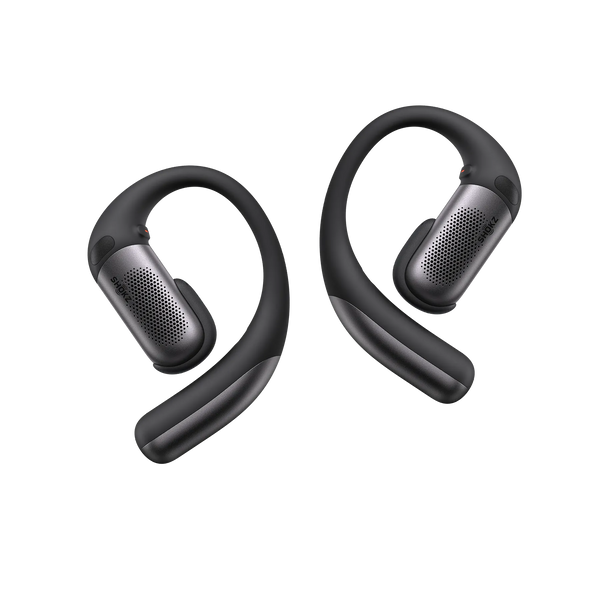
2. OpenFit Pro: Best for All-Day Comfort and Long Runs
If logging longer miles, both comfort and a secure fit are crucial. OpenFit Pro uses flexible titanium hooks that adapt to different ear shapes, keeping headphones stable during running or high-impact workouts. Ultra-Soft Silicone™ 2.0 adds gentle support to maintain fit without pressure, letting you stay focused while minimizing slipping. With up to 50 hours of battery life using the charging case, they’re ready for long sessions on the road or trail.
3. OpenMove: Best Budget Option for Casual Runners
For casual runners or beginners, a premium pair isn’t always necessary, OpenMove offers a simple, reliable option that gets the job done without costing a fortune. It provides the perfect balance between comfort and stability with its lightweight design and secure fit. The 7th-generation bone conduction technology lets you hear your music while still staying aware of your surroundings.

|
Model |
Best For |
Key Advantage |
|
OpenRun Pro 2 |
High-intensity runs, sprints, rough trails |
Ergonomic frame ensures superior stability during vigorous movement |
|
OpenFit Pro |
Long-distance runs |
Flexible hooks and frame adapt to ear shape, keeping fit secure and comfortable for extended sessions |
|
OpenMove |
Casual or beginner runners |
Lightweight, secure fit at an accessible price, ideal for short runs or everyday use |
FAQ
1. Can Wind Affect Earbuds While Running?
Yes. Strong wind may shift lighter earbuds slightly. Choosing a secure design and checking the fit before heading out usually prevents problems.
2. What IP Rating Is Best for Running Headphones?
For most runners, earbuds with an IP rating of IP55 or higher usually provide enough protection against sweat and light rain.
3. Can Memory Foam Ear Tips Help Keep Earbuds in Place?
They often do. Memory foam expands slightly inside the ear canal, creating extra grip. Results vary depending on ear shape and the earbud design.
4. How Often Should I Replace Ear Tips?
Replacing them every few months, or sooner if they lose elasticity or show wear, is a good rule of thumb, especially if you run frequently.
5. Is It Safe to Run with Earbuds in Both Ears?
Wearing traditional in-ear earbuds in both ears can reduce awareness of surroundings. Consider open-ear designs or lowering volume in busy areas to stay alert while running.
Conclusion
Earbuds falling out during a run isn’t just annoying—it can also disrupt focus and rhythm. While traditional in-ear headphones can be adjusted for a more secure fit using different tip sizes, the twist-to-lock method, or stabilizing hooks, open-ear headphones often provide a more consistently reliable solution for runners. Their design naturally stays in place during movement, reducing the need for constant adjustments. With a secure fit, whether you’re sprinting, tackling hills, or logging long distances, you can focus on your pace, your breathing, and your playlist.


