Swimming Breathing Technique: Tips and Exercises for Beginners

Most swimming advice stresses that breathing is important, but knowing that doesn’t always make each lap easier. Between pushing off the wall and reaching the other end, timing can slip, air can run out, and everything feels harder than it should.
Execution under constraint is usually the issue. Breathing breaks down when you’re tired, oxygen is limited, or rhythm is disrupted. This guide focuses on building patterns that hold up under those conditions, improving tolerance to low oxygen, and pinpointing why your technique fails when fatigue sets in.
Why Breathing in Swimming Matters
Understanding how to breathe during freestyle changes how you go about fixing problems. Most swimmers know breathing matters, but they can’t clearly explain what actually breaks down when things start going wrong.
1. Better Breathing Improves Oxygen Intake
Underwater resistance makes muscles consume oxygen quickly. Rushing or holding your breath creates a deficit that builds lap after lap. Practice a steady exhale underwater so you can take a full, controlled inhale with each rotation. Apply this to your water workouts to keep muscles fueled and energy consistent throughout your swim.
2. Proper Breathing Helps Keep the Body Balanced
Breathing should flow with your body roll, not disrupt it. Rotate your torso first, let your head follow, and lift your mouth just enough to inhale. Avoid lifting your head or over-rotating, which causes bobbing, slows your stroke, and wastes energy.
3. Good Breathing Reduces Fatigue
Struggling for air tenses the shoulders, neck, and jaw, increasing energy use. Train relaxed breathing under moderate fatigue to keep tension low and sustain longer sets. Controlled exhalation and consistent rhythm are essential for endurance.
How to Advance Your Breathing Technique While Swimming
These breathing exercises for swimming target specific weak points. Each drill isolates one part of breath control so you can feel exactly where your technique breaks down, helping you improve your swim without guessing or trying to fix everything at once.
1. Bubble-Blowing Drill (Foundational Breath Control)
Push off the wall and glide while exhaling slowly through your nose, or both nose and mouth if comfortable. Let your lungs empty gradually so that when your mouth clears the surface, you can inhale immediately without rushing. Keep your body horizontal, core engaged, and shoulders relaxed. Practice this glide until it feels automatic, then add gentle kicks and gradually extend the distance. Build this foundation before adding any more complex breathing patterns.
2. Breathing Pattern Drill (2-3-5 Stroke Breathing)
Swim 25 yards breathing every 2 strokes. The next 25, breathe every 3. The next 25, every 5. This isn’t about suffering, it’s about adaptability. Fatigue, waves, crowded lanes, open water conditions, none of them care about rigid breathing patterns. The jump to 5 strokes will feel uncomfortable, and that’s the point. You’re learning the difference between wanting air and actually needing it. That distinction matters when conditions stop being ideal.
3. Kickboard Breathing Drill
Hold a kickboard, kick steadily, and practice rotating your head to one side to breathe. Isolation training exposes flaws fast. If you can’t rotate without lifting your head, your legs drop immediately. If you’re holding tension, your neck lets you know within 30 seconds. Focus on minimal rotation. Turn your head just enough for one side of your face to clear the water, not so much that both goggles come out. You should be inhaling while staying horizontal, not popping up for air.
4. Underwater Streamline Drill
Push off the wall in a tight streamline: arms overhead, hands stacked, body long and aligned. Hold this position underwater as long as you can comfortably, holding your breath. This drill builds tolerance for the discomfort of needing air while maintaining control. Once you can stay composed in streamline as your lungs demand oxygen, that control carries over to regular swimming when breathing is disrupted mid-lap.
5. Interval Training
Swim sets of 50s or 100s with 15-20 seconds of rest. Keep the pace consistent, challenging, but controlled. These intervals teach your body to manage oxygen debt and recover efficiently between efforts. The technique has to survive fatigue. If your form falls apart, the intensity is too high. The goal is adaptation, not proving how tough you are.
6. Hypoxic Sets
Breathe every 5 or 7 strokes instead of every 2 or 3. This trains oxygen efficiency and calm under reduced availability. Competitive swimmers use hypoxic work to prepare for moments when breathing gets disrupted during races. Once or twice a week is enough. More doesn’t speed up progress, it just makes training miserable and sloppy.
Tips for Swimmers to Breathe More Efficiently
Drills help, but this is what actually controls your breathing during laps. Get these right, and breathing stops being something you think about. It happens in the background, as it should, while you focus on the rest of your stroke.
1. Keep Exhaling Underwater
Don’t hold your breath. Start exhaling as soon as your face goes into the water and keep it going until you turn to breathe. Easy bubbles. Nothing forced. A lot of swimmers hesitate here because it feels wrong to breathe out before you’re ready to breathe in again. That passes. After a few sessions, it clicks, and breathing stops feeling rushed and panicky every length.
2. Integrate Breathing Into Stroke Rotation
Your head shouldn’t be doing its own thing. It moves with your body. When your body rolls to breathe, your head rolls with it. Just enough to clear your mouth. No lifting. No extra turn. When head movement gets disconnected from body rotation, everything else starts to feel off, even if you can’t explain why.
3. Keep the Head Stable When You Breathe
Small movement gets you plenty of air. Think of your head rotating around your spine, not drifting away from it. One goggle stays in the water when you breathe. That’s usually the sweet spot. If this feels awkward, practice it standing still first. Shallow water, lean forward, simulate the rotation. Once it feels normal there, it’s much easier to keep it clean while swimming.
4. Optimize Breathing Rhythm for Efficiency
Breathing gets easier when the rhythm is automatic. External timing cues help keep it steady so you’re not counting strokes or guessing when to turn for air, especially as fatigue sets in. For swimmers who respond well to audio, wireless headphones , specifically bone conduction models, are ideal because they deliver cues without blocking the ears or creating canal pressure.
The OpenSwim Pro is designed specifically for pool use, suitable for use underwater, and comfortable under a cap and goggles. Its open-ear design avoids the soreness and pressure common with traditional earbuds, and the audio keeps your breathing rhythm consistent throughout longer sessions.
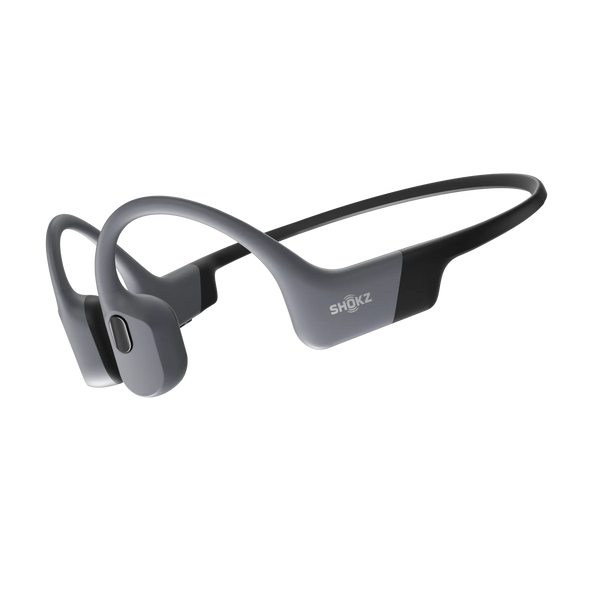
What makes it functional for swimmers:
-
Bluetooth or MP3, depending on whether you want your phone nearby
-
Enough battery for several swims without thinking about charging
-
Audio comes through clearly without sealing off your ears
-
Sits comfortably under a cap and alongside goggles
FAQ
1. Are Bilateral Breathing Patterns Suitable for Beginners?
Yes, but expect it to feel awkward at first. Bilateral breathing (usually every three strokes) helps balance your stroke and makes open water swimming easier later on. Don’t force it right away. Start with one length per workout and build from there. If you’re constantly gasping, get comfortable breathing on one side first, then come back to bilateral breathing once your base is solid.
2. Can Swimming With One-Sided Breathing Cause Muscle Imbalance?
Over time, yes. Always breathing to one side tends to create small differences in flexibility and strength between sides. It’s not dramatic, but it adds up. If your weaker side feels stiff or awkward, work on it gradually.
3. Can Proper Breathing Techniques Prevent Shallow Water Blackouts?
Good technique helps, but it doesn’t remove the risk. Shallow water blackout happens when someone hyperventilates before holding their breath, lowering carbon dioxide levels and delaying the urge to breathe. That can cause loss of consciousness before oxygen runs out. The key prevention rules are simple: never hyperventilate before underwater swimming, and never swim alone.
4. How Do I Overcome My Fear of Sinking While Swimming?
That fear usually comes from not trusting that your next breath will be there. Start in shallow water where you can stand up easily. Practice bubble-blowing until exhaling underwater feels normal. Then swim three to five strokes, stand up, and reset. Slowly increase the distance as your confidence builds. The fear fades once breathing stops feeling rushed.
5. What's the Benefit of Bilateral Breathing in Freestyle Swimming?
Bilateral breathing keeps your stroke more balanced by forcing rotation on both sides. In open water, it also gives you options, you can sight to either side depending on waves, sun glare, or nearby swimmers. It reduces dependence on one side and helps prevent subtle technique issues that show up over longer swims.
Conclusion
Good swimming breathing technique isn’t complicated, but it requires honesty about where things break down. Progress comes from practicing with intention, not just logging laps. You need to train the parts that fail when you’re tired, slightly short on air, or off rhythm. You’ll never remove the need for air—that’s part of swimming—but you can control how you respond. Staying relaxed enough to keep rhythm under strain is a learned skill. Once you build that, breathing stops being the limit, even in uncomfortable conditions.