Why Does Swimming Make You So Tired? The Science — and Smarter Recovery Fixes

If you’ve ever climbed out of the pool wondering why does swimming make you so tired, the answer is simpler than it seems — and more layered than you might expect. Swimming looks fluid, graceful, even calm. But beneath that surface, your body is managing full-body muscular effort, controlled breathing, temperature regulation, and constant resistance, all at once.
That’s what makes it such an effective workout. It’s also what makes it surprisingly draining.
This guide breaks down the real reasons swimming can leave you wiped out — and the practical ways to recover better, swim smarter, and make the next session feel more manageable.
Understanding the Full-Body Load of Swimming
Swimming creates fatigue quickly because water never stops pushing back. On land, movement is shaped mostly by gravity and momentum. In water, every pull, kick, rotation, and adjustment meets resistance from multiple directions. Even an easy lap can demand more from your body than it appears to from the outside.
That’s why a short session can feel disproportionately hard. You may not be lifting weights or pounding pavement, but your body is still working continuously, with very little true rest between movements.
Full-Body Muscle Demand, All at Once
One of the clearest answers to why does swimming make you so tired is that it asks so many muscle groups to work simultaneously. Your shoulders and back pull. Your core stabilizes. Your hips rotate. Your legs kick to support balance and propulsion. Unlike cardio that leans heavily on lower-body repetition, swimming spreads the effort across nearly everything.
That full-body demand also means swimming can burn a meaningful amount of energy, which is one reason it can support overall fitness and, alongside a balanced diet and regular exercise, fit into a weight-management routine. For people wondering does swimming help you lose weight, the full-body nature of the workout is one factor worth considering.
For many swimmers, that’s why even a short session can leave them pleasantly wrecked. And for experienced swimmers, a technique-focused session can be tiring in its own way — not because it’s chaotic, but because there’s so little chance for any one area to truly switch off.
Cardiovascular Demand Feels Different in Water
Swimming also changes how effort feels. In the water, your body is horizontal and surrounded by hydrostatic pressure, which shifts circulation differently than upright exercise does. Your heart may not respond exactly as it would during running, but it still has to support constant muscular work and oxygen delivery under unusual conditions.
That mismatch matters. You may not feel the same impact, sweat, or pounding intensity you associate with hard exercise on land. But your cardiovascular system is still under meaningful load. Often, the fatigue doesn’t fully register until the session ends — and then it arrives all at once.
Breathing Mechanics Make Swimming More Tiring
Another major reason why swimming makes you so tired comes down to breathing. In daily life, breathing is automatic. In swimming, it becomes timed, restricted, and technique-dependent, which is why learning the right swimming breathe technique can make a difference. You exhale underwater. You turn or lift to inhale in a narrow window. And if that rhythm slips, the whole workout can feel harder than it should.
Even when your muscles are ready to keep going, inefficient breathing can make the session feel heavier than the pace suggests.
Breath Timing Adds Physical and Mental Fatigue
Swimming doesn’t just challenge the body. It taxes attention too. You’re constantly coordinating stroke rhythm with when and how you breathe. If the timing is off, you may hold your breath too long, rush an inhale, or tense your neck and shoulders trying to catch air.
That effort builds.
Many swimmers describe feeling tired in the head after a swim, not just in the muscles. That’s understandable. When you’re thinking about lane position, breathing side, stroke count, pacing, and body line all at once, mental load accumulates alongside physical fatigue.
Technique Inefficiency Multiplies Effort
Poor technique can make swimming far more exhausting than it needs to be. If your head sits too high, your hips drop, your kick gets too wide, or your hands enter the water inefficiently, you create more drag and waste more energy every lap.
The result is simple: more effort, without more speed.
The encouraging part is that this kind of fatigue is often fixable. Small changes can make a noticeable difference. Relaxing the recovery arm, lengthening your body line, and exhaling steadily underwater can all reduce that “I’m exhausted after four laps” feeling. If swimming leaves you unusually wiped out for the distance you covered, form is one of the first places worth looking.
Water Temperature Quietly Drains Energy
Water changes the fatigue equation in a way many swimmers underestimate. Even in a pool that feels comfortable, your body can lose heat faster in water than it does in air. To stay stable, it has to spend energy on thermoregulation in addition to movement.
That extra cost is easy to miss in the moment. But it can show up later as hunger, sleepiness, or that heavy post-swim slump.
The Hidden Cost of Cold — and Warm — Water
Cold water raises energy demand because your body has to work harder to preserve heat. In cooler pools or open water, thermal stress can add to the overall workload. Warm water can seem easier at first, but over longer sessions it may feel sluggish and heavy in a different way.
For most swimmers, the issue isn’t extreme temperature. It’s subtle mismatch. A pool that feels slightly chilly may make you tense up and use more energy. One that feels too warm may leave you flat and overheated. If you consistently feel unusually tired after certain swims, water temperature may be part of the picture.
Why Swimming Feels Different From Running
Swimming and running can both deliver excellent cardio. They just fatigue you differently.
Running relies on repeated impact and gravity-based loading. Swimming removes the impact many people dislike, but replaces it with continuous resistance and restricted breathing. So while swimming may look smoother, it often feels more globally demanding.
That’s why people returning to the pool are often surprised. They expect less fatigue because there’s less joint pounding. Instead, they discover a deeper, more total-body tiredness. Not harsher, necessarily. Just different.
Swimming Spreads the Work Wider
Running tends to load the lower body most heavily. Swimming places much more demand on the upper body, trunk, and postural control systems. Your lats, shoulders, chest, core, and hip stabilizers all contribute significantly, depending on stroke and intensity.
That broader involvement helps explain why swimmers often feel fatigue everywhere, not just in the legs. If you’re newer to swimming, your upper body may tire early simply because those muscles aren’t as conditioned for endurance. That usually improves with training. Early shoulder and back fatigue is common — and not necessarily a sign that you’re doing everything wrong.
Recovery Isn’t Always Easier Just Because Impact Is Lower
Lower impact doesn’t automatically mean lower recovery needs. After swimming, you may have less joint soreness than after a hard run, but more whole-body tiredness, respiratory fatigue, or shoulder heaviness. Some swimmers also feel deeply relaxed after a session, which can be great — though it can blur into sleepiness when hydration, nutrition, or recovery are lacking.
In other words, swimming may be kinder to your joints while still asking for thoughtful recovery afterward.
Gear Can Reduce Fatigue — or Add to It
Equipment has a way of shaping effort quietly. Leaky goggles, a tight cap, a restrictive wetsuit, or poorly fitted accessories can create extra tension in the neck, jaw, shoulders, and hips. These discomforts may feel minor at the moment. By the end of the session, they rarely are.
That matters because swimmers often blame themselves first. Sometimes the issue is fitness or technique. Sometimes the setup is simply making the swim harder than it needs to be.
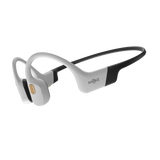
If you use audio gear during swim training, fit and controls matter too. Wet hands can make touch controls frustrating, while physical buttons can be easier to manage during a session. Shokz OpenSwim Pro is designed for swimming with a lightweight build, physical buttons, and a secure fit that helps it stay in place through movement. For swimmers who use audio to settle into a rhythm, gear that stays stable and is easy to control can reduce distraction rather than add to it.
Wetsuit Fit Can Save Energy — or Cost It
A well-fitted wetsuit can reduce fatigue by improving buoyancy and body position. When your hips and legs ride higher, you may need less kicking effort to stay streamlined. Over a longer open-water swim, that energy savings can be meaningful.
Of course, a poor fit can feel restrictive, especially around the shoulders. But that drawback is usually manageable with correct sizing and a suit designed for swimming rather than general water use. The principle is the same across gear: when it fits well, it can conserve energy. When it doesn’t, it can quietly drain it.
Practical Recovery Strategies After Swimming
If swimming leaves you wiped out, recovery habits can make a real difference. Start with the basics: rehydrate, eat after your session, warm up gradually afterward, and don’t stay in wet clothes too long. These steps sound simple because they are. They can also help you feel better prepared for the next workout.
A practical post-swim routine can look like this:
-
Drink water or an electrolyte drink, especially after longer or more demanding sessions
-
Eat a snack or meal with carbohydrates and protein after swimming
-
Dry off and get warm promptly, especially after cold water
-
Do light mobility work for shoulders, chest, hips, and calves
-
Plan easier training if the session was unusually hard
If your fatigue feels extreme every time, it may be worth looking at your total training load, sleep quality, hydration, nutrition, and overall recovery.
Fuel Before You Swim, Not Just After
Going into the pool under-fueled is one of the fastest ways to feel unusually drained. Because swimming can blunt thirst and hunger cues, many people don’t realize they started the workout low on energy. A light carbohydrate-based snack before swimming can help support steadier effort.
Good options include toast with nut butter, a banana, yogurt with fruit, or a small bowl of oatmeal. It doesn’t need to be a huge meal. The goal is simply to avoid that mid-session crash where your stroke falls apart and every lap suddenly feels twice as hard.
For early-morning swimmers, this matters even more. Often, something small is far better than nothing.
A Better Transition Out of the Water
A gradual transition out of the pool can help reduce lingering fatigue. After swimming, your body may still be adjusting temperature, breathing pattern, and muscle tone. Going straight from hard laps to sitting still can leave you feeling stiff, cold, and depleted.
A smart reset can be brief:
-
Take a short walk
-
Put on warm, dry layers
-
Take slow, deep breaths to normalize breathing
-
Stretch your chest, shoulders, lats, hip flexors, and calves briefly
-
Follow with a balanced snack or meal
A simple cooldown doesn’t need to be complicated. The goal is to give your body a chance to settle after the demands of the swimming workout rather than stopping abruptly after your hardest effort.
Final Thoughts: Why Does Swimming Make You So Tired?
So, why does swimming make you so tired? Because it combines full-body resistance, controlled breathing, cardiovascular demand, temperature stress, and mental coordination in one workout. It may feel graceful. But it asks a lot.
The good news is that swim fatigue isn’t always something you have to push through. Better technique, smarter fueling, solid recovery habits, and comfortable gear can all make swimming feel more sustainable. If you’ve been frustrated by how drained you feel after laps, that frustration makes sense.
It’s also often manageable — not with a total overhaul, but with a few smart adjustments that let the water feel a little more forgiving next time.