Adaptive Noise Canceling vs Active Noise Canceling: How They Work and Which Is Right for You\

You see “ANC” stamped on just about every premium pair of headphones, all promising peace and quiet, yet cafe chatter still cuts through, and subway noise never fully disappears. Then adaptive ANC enters the mix, pitched as smarter and more advanced, but most people aren’t sure how it actually differs from standard systems or whether it’s worth paying extra.
This guide breaks down how each technology works, where each one performs best, and which option makes more sense based on how you actually live, move, and listen.
What Is Adaptive Noise Canceling
Adaptive noise canceling, often called adaptive ANC, is a more advanced take on traditional noise reduction. Instead of running at one fixed level, it constantly listens to what’s happening around you and adjusts its noise canceling strength in real time as your environment changes.
Unlike fixed systems, adaptive ANC reacts automatically. Step outside, and your wireless headphones detect the shift in noise within seconds, increasing cancellation without you touching a thing. Walk back indoors, and the system eases off, helping save battery while keeping the sound comfortable.
1. Benefits of Adaptive Noise Canceling
Real-Time Noise Adjustment
The key benefit is hands-free control. Built-in algorithms continuously analyze surrounding noise and automatically adjust cancellation levels, increasing suppression for sudden loud sounds and scaling it back as ambient noise decreases to avoid an overly isolated feeling.
Adaptive Listening Across Environments
This is where adaptive ANC really shines for commuters. A single trip might include subway platforms, train cars, sidewalks, and office spaces. With fixed level systems, you’d need to adjust settings at each stop. Adaptive canceling moves with you, keeping audio consistent whether you’re in a noisy station or a quiet hallway.
More Natural Sound Experience
Too much noise canceling can create pressure in your ears, similar to the feeling during airplane ascent. Adaptive systems help prevent that by applying only the amount of suppression you actually need. The result is clear sound without the artificial vacuum effect that can make long listening sessions uncomfortable.
What Is Active Noise Canceling
Active noise canceling, usually shortened to ANC, works by creating sound waves that counteract unwanted noise. Tiny microphones pick up external sounds, and the system generates an opposite signal to cancel those frequencies before they reach your ears.
You can think of it as controlled audio interference. When outside noise forms a peak, ANC produces a matching trough. When those two meet, they cancel each other out, leaving mostly silence along with whatever you’re listening to.
1. Key Advantages of Active Noise Canceling
Effective Low-Frequency Noise Reduction
ANC is especially good at blocking steady, low frequency sounds. Things like engine rumble, air conditioning hum, or airplane drone are right in its sweet spot. Because these noises are predictable, the system can cancel them very efficiently, often reducing noise by 20 to 30 decibels.
Stable Performance in Quiet Settings
Fixed level ANC works best in environments with consistent noise. Coffee shops, libraries, and home offices don’t change much minute to minute, so once you set your preferred level, it stays steady. That consistency makes it easier to focus or relax without constant adjustments.
Better Focus at Lower Volumes
By cutting down background noise, ANC lets you listen at lower, safer volumes. You don’t need to turn music up just to overpower your surroundings, which helps protect your hearing over time. Many people also find it reduces listening fatigue, since their ears don’t have to work as hard to separate sound from noise.
Adaptive Noise Canceling vs. Active Noise Canceling: Key Differences
1. Listening Comfort and Sound Naturalness
Adaptive systems feel more natural over long sessions, easing off in quiet moments to prevent over-canceling, and feels less intrusive than traditional ANC. Fixed ANC can create a vacuum-like pressure in already quiet environments, almost as if trapping you in a bubble, resulting in some discomfort.
2. Performance in Stable vs. Dynamic Environments
Active noise canceling works best in predictable settings. Airplane cabins, office cubicles, and steady traffic create consistent noise levels where fixed cancellation performs reliably. Adaptive noise canceling pulls ahead when your environment changes often, walking through a city, hopping between transit, or moving from indoors to outdoors, because it adjusts on the fly.
3. User Control and Automation Level
Fixed level ANC gives you direct control. Want full isolation? Turn it up. Prefer some awareness? Dial it back. This hands on approach suits people who know exactly what they want in specific situations. Adaptive noise canceling handles those decisions automatically, which is ideal if you value convenience over fine-tuning.
4. Power Consumption and System Complexity
Adaptive systems use more processing to analyze and react to changing noise, which can impact battery life. That said, smart scaling often offsets this by reducing cancellation when it’s not needed. Standard ANC usually delivers longer battery life, but with less flexibility in how it handles real world noise changes.
Which Noise Canceling Technology Is Best for You?
Choosing between adaptive vs. active noise canceling really comes down to how and where you listen most often.
1. Choose Active Noise Canceling (ANC)
Constant High Noise Environments
If you spend long stretches on planes, trains, or buses, fixed level ANC is hard to beat. These environments produce steady, low frequency noise, exactly what traditional ANC handles best. With a consistent noise profile, the system can operate at peak efficiency for hours at a time.
Manual Control over Noise Levels
Some people prefer being in charge. If you like dialing noise canceling up for deep work or lowering it for casual listening, fixed ANC gives you direct, predictable control instead of relying on automation.
Designed for Focused Listening
For stable environments that demand concentration, fixed level ANC creates a reliable sound bubble. Writers, programmers, and students in libraries or home offices often benefit from the consistent isolation that helps maintain focus without constant adjustments.
2. Choose Adaptive Noise Canceling
Frequently Changing Noise Environments
Adaptive noise canceling works best when your day involves movement. Urban professionals moving between offices, meetings, public transit, and outdoor spaces benefit from a system that automatically adjusts without requiring manual input.
Dynamic Noise Reduction Adjustment
Outdoor activities highlight the strength of adaptive systems. Running through parks, cycling on city streets, or walking busy sidewalks means noise levels change constantly. Adaptive canceling balances audio clarity with awareness, letting important sounds like car horns through while reducing wind and background noise.
Ideal Choice for Everyday Use
For all day wear across mixed environments, adaptive technology offers the most balanced experience. Whether you’re in a crowded cafe, a quiet library, or a noisy street, the system continuously fine tunes noise reduction to match your surroundings.
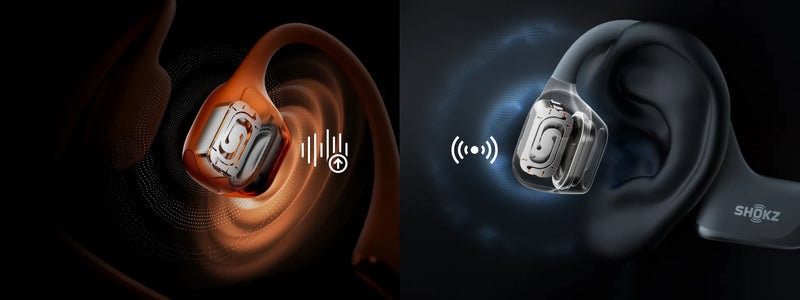
A good example of this approach is the OpenFit Pro. Being part of the Shokz open ear headphones lineup, it uses open-ear noise reduction and multi-scenario dynamic filtering. The earbuds adapt to changing environments while preserving awareness, making them especially useful for people who need both focus and safety throughout the day.
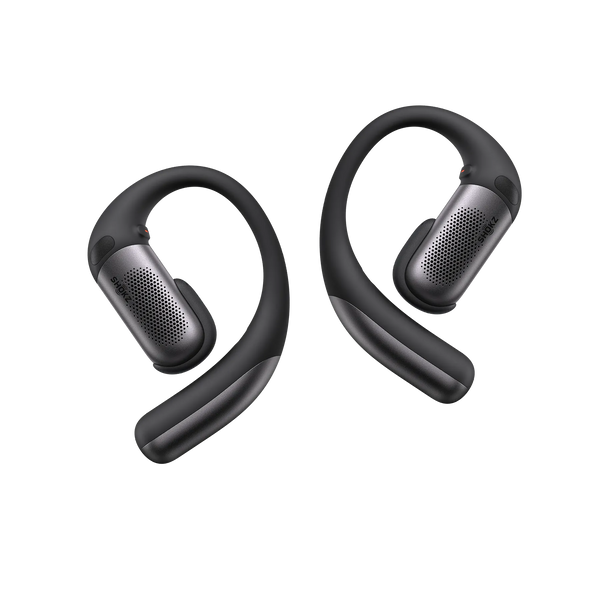
OpenFit Pro’s other notable features include:
-
Dedicated speakers and Dolby Atmos support brings a great listening experience
-
AI-powered noise-canceling microphones helps to make your voice clear
-
Long-lasting battery life of 12 hours per charge
-
A balanced middle ground between isolation and environmental connection
FAQ
1. Can Adaptive Noise Canceling Adjust to Wind Noise?
Yes, to a point. Wind is tricky because it’s irregular and unpredictable, but adaptive algorithms can detect it and reduce its impact. While no system can remove wind completely, higher quality adaptive ANC does a better job of minimizing wind noise than fixed level ANC.
2. Why Does ANC Sometimes Cause Ear Pressure?
ANC works by creating opposing sound waves, which some people perceive as pressure, similar to a change in altitude. Sensitivity varies by person and by how strong the cancellation is. Adaptive systems help reduce this sensation by applying only the amount of cancellation that’s actually needed.
3. Can Noise Canceling Reduce Listening Fatigue over Time?
Yes. Studies have shown that there’s a significant decrease in the extent of noise-induced fatigue linked to the use of noise-canceling headphones. ANC lets you listen to music at lower volumes and lower environmental noise, reducing stress levels and improving mental wellbeing.
4. Is Adaptive Noise Canceling Useful for Walking or Running?
Very much so. Adaptive noise canceling is especially helpful outdoors because it balances noise reduction with situational awareness. You can still hear traffic, cyclists, or warning sounds while wind and general background noise are reduced, supporting both sound quality and safety.
5. Can Noise Canceling Be Used with Transparency Modes?
Yes. Many modern headphones offer both noise canceling and transparency modes. Transparency boosts outside sound when you need awareness, like during conversations or in busy areas. Both adaptive and fixed ANC support this, though adaptive systems usually handle the transitions more smoothly.
Conclusion
Choosing between adaptive vs. active noise canceling really comes down to how you move through your day and how you listen. Fixed level ANC performs best in steady environments where consistent isolation is the priority. Adaptive noise canceling stands out when your routine includes frequent changes and varied surroundings.
Think about your typical day, that usually points you to the right choice. In real world use, what ANC means on headphones is simple: fewer distractions, better focus, and more control over how much of the outside world you let in.