Fixed vs Head Tracked Spatial Audio: What Each Mode Does and How They Differ

Ever been annoyed when your headphones don’t match your head movements, making games or movies feel flat? Or struggled to follow dialogue because the sound feels off? The difference comes down to fixed vs head tracked spatial audio, which affects immersion, comfort, and clarity. This guide explains how each works and helps you choose the right setup for your listening habits.
What Is Spatial Audio
Spatial audio makes sound feel like it exists all around you in three dimensions. Unlike standard stereo, which only plays from the left and right, spatial audio places sounds above, behind, and around you, closer to how you hear things in real life.
1. How Spatial Audio Works
Spatial audio uses psychoacoustics and software algorithms to guide how your brain locates sound sources.
Sound Positioning and Directional Cues
By adjusting volume, timing, and frequency, audio engineers can make a sound seem like it’s coming from a specific spot in space, whether that’s footsteps behind you, rain falling around you, or a helicopter overhead. These cues feel natural and help you focus without effort.
The Role of Head-Related Transfer Function (HRTF)
HRTFs describe how the shape of your head and ears affects sound before it reaches your ears. Spatial audio systems use personalized or averaged HRTFs to recreate those effects, giving you a sense of depth, distance, and direction that matches real-world listening.
What Is Fixed Spatial Audio
Fixed spatial audio keeps the sound scene locked in place, even when you move your head. Audio sources stay anchored in their positions, so the overall sound stage doesn’t shift as you turn or tilt.
1. How Fixed Spatial Audio Positions Sound
It uses algorithms to simulate a 3D sound environment with fixed locations. If a piano is positioned on your left, it remains on your left no matter how you move your head. The experience stays consistent and predictable.
2. Advantages of Fixed Spatial Audio
Stability is the main advantage. It works especially well for movies, orchestral music, and stationary listening setups where shifting audio would be distracting. Fixed spatial audio also tends to use less processing power, which helps reduce battery drain.
3. Limitations of Fixed Spatial Audio
The trade off is immersion. When you move, the static sound scene can feel less natural, especially in interactive content like games or VR where audio normally responds to head movement.
What Is Head Tracked Spatial Audio
Head tracked spatial audio changes the sound scene based on how you move your head. Instead of staying fixed, sounds adjust in real time, creating a more responsive and realistic listening experience. This effect is most noticeable on devices that support head tracked spatial audio.
1. How Head Tracking Enhances Spatial Awareness
The system constantly tracks your head position and updates audio cues as you move. Turn your head, and the sound field shifts with you. Footsteps behind you stay behind, and sounds off to the side remain anchored, just like they would in real life.
2. Immersion Benefits of Head Tracked Audio
Because sound reacts to movement, content feels more lifelike and interactive. Games, movies, and virtual concerts benefit the most, as head tracking mirrors natural hearing and boosts immersion without needing large speakers or special setups.
3. Hardware and Software Requirements
Head tracked spatial audio requires compatible hardware with gyroscopes and accelerometers, along with software that can process head movement in real time. Some apps and media formats are optimized to take full advantage of this feature, while others may offer limited support.
Fixed vs Head Tracked Spatial Audio Comparison
Not all spatial audio is created equal. Choosing between fixed and head tracked audio comes down to immersion, stability vs responsiveness, and practical factors like battery life and comfort.
1. Immersion and Realism
Head tracked audio reacts to your movements, creating a lifelike soundstage that makes games, VR, and action scenes feel real. Fixed audio doesn’t move with your head, so it can feel less immersive. For stationary content, like when you listen to podcasts, this difference is minor.
2. Stability vs Responsiveness
Fixed spatial audio delivers predictable positioning, with voices and instruments staying in place regardless of head movement. This stability helps you follow dialogue and enjoy music or movies without distraction. Head tracked audio reacts to every turn, creating the sense that sounds exist in the space around you. The choice comes down to a controlled, stable scene versus a more dynamic one.
3. Battery, Performance, and Comfort Considerations
Head tracked audio requires continuous sensor tracking and real-time processing, which can reduce battery life and increase processor load. Fixed audio is more power-efficient and uses minimal processing power.
In terms of comfort, fixed audio works well for stationary listening, while head tracked audio enhances immersion for motion-heavy content but may feel more tiring during long sessions, depending on the device.
Key Considerations When Choosing Fixed vs Head Tracked Spatial Audio
When choosing between fixed and head tracked spatial audio, several factors can influence how effective and comfortable the experience feels.
1. Movement vs. Stationary Environments
Think about how much you move while listening. Head tracked audio works best for active use, gaming, workouts, or any situation where you’re turning your head, because sound adjusts naturally with your movement. Fixed audio fits better in stationary setups like home theaters, desk work, or relaxed music sessions, where consistent sound placement is easier to follow and less distracting.
2. Narrative Clarity vs. Cinematic Immersion
Content type matters. Dialogue heavy audio, such as podcasts, audiobooks, or lectures, benefits from fixed spatial audio because voices stay clearly positioned. Movies, games, and interactive content gain more from head tracked audio, where sound shifts dynamically to boost immersion and spatial realism.
3. Cognitive Load and Listening Duration
Head tracked audio can demand more mental effort over time, since your brain constantly adjusts to moving sound cues. Fixed audio keeps everything stable, which can feel more comfortable during long listening sessions and help reduce fatigue.
4. Hardware Design Considerations for Spatial Audio
Fixed and head tracked audio differ in hardware, affecting immersion, comfort, and performance. Fixed audio uses simple hardware with in-ear or standard headphones, offering stable sound for focused tasks like podcasts or desk work, with low cost and long battery life but limited 3D depth. Head tracked audio requires motion sensors and low-latency processing to dynamically adjust 3D sound for gaming or cinema, though it consumes more power and may cause fatigue during long sessions.
Hardware like the Shokz open ear headphones OpenFit Pro features head tracked technology with a non-in-ear design, delivering immersive 3D sound without “plugged-ear” fatigue. Optimized hardware balances spatial realism with long battery life, ensuring comfort during active or extended listening.
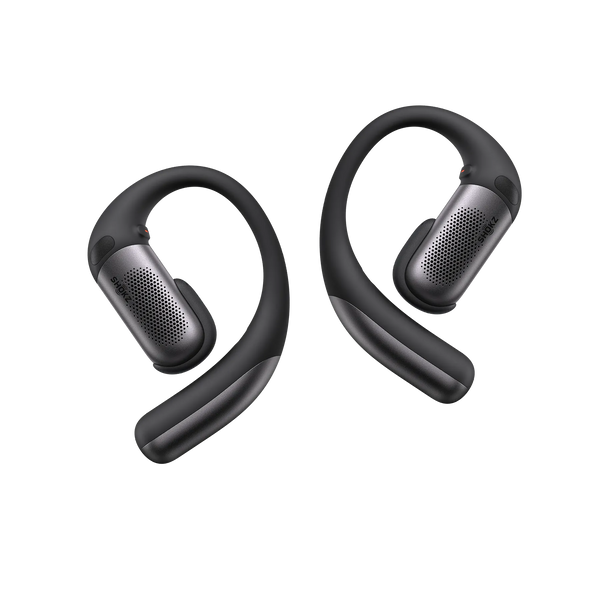
How OpenFit Pro Stands out:
-
High-Quality Audio with SuperBoost™: Dynamic, distortion-free sound for natural, immersive head tracked audio.
-
Long Battery & Wireless Charging: Up to 50 hours for uninterrupted spatial audio sessions.
-
Secure, Comfortable Fit: Titanium ear hooks and Ultra-Soft Silicone™ 2.0 keep headphones stable and comfortable.
FAQs
1. Does head tracking work with all content and apps?
No. Head tracked spatial audio only works with content and apps that support it. Some streaming services, movies, games, and music apps are compatible, while others are not. On unsupported content or apps, audio will still play normally, but sounds won’t shift as you move.
2. Will fixed spatial audio feel less immersive over long sessions?
Yes, fixed spatial audio can feel less immersive for motion-heavy content because the sound doesn’t move with you. However, its stable soundstage often makes it more comfortable for long listening sessions like podcasts or desk work.
3. Does head tracked audio work well in noisy environments?
It can still work, but background noise may make it harder to perceive subtle spatial cues. Using quality hardware with noise reduction helps maintain head tracked spatial accuracy even in noisy settings.
4. Can I experience head tracked spatial audio on standard headphones?
Not really. True head tracked spatial audio requires devices with built-in orientation sensors and compatible software. Standard wireless headphones can mimic some spatial effects, but they won’t respond to head movement, so the experience is limited.
5. Do I need special equipment to switch between fixed and head tracked modes?
Yes. Your device must support both modes and include software controls to switch between them. Without compatible hardware, you won’t be able to toggle modes and will default to standard audio.
Conclusion
Understanding the difference between fixed vs head tracked spatial audio helps you choose the setup that fits how you actually listen. Fixed audio delivers stable, predictable sound, making it ideal for stationary use and clear dialogue. Head tracked spatial audio responds to movement, creating a more immersive experience for games, movies, and interactive content. The best option depends on your devices, the content you listen to, and your listening habits.