Average Swimming Speed by Skill Level and How to Improve It

Many swimmers hit the pool regularly but struggle to see improvements in lap times. Increasing effort alone often doesn’t make a swimmer faster, because poor technique and excessive drag can limit speed. Understanding average swimming speed, identifying what slows you down, and training smarter are key to moving through the water efficiently.
This article breaks things down to swimming tips that help you move through the water more efficiently, reduce wasted effort, and improve lap times.
What Is Average Swimming Speed
At its core, your average swimming speed is just distance divided by time. Sounds simple, right? But the implications are huge. Knowing your pace helps you plan workouts, track progress, and figure out how to become a faster swimmer over time.
Average Swimming Speed by Skill Level
Swimming isn’t one-size-fits-all, so let’s look at what you might expect depending on where you’re at.
1. Average Swimming Speed for Beginners
If you’re just getting into swimming, you’re probably moving around 0.8 to 1.3 meters per second. At this stage, speeds are lower because beginners are still developing basic endurance, comfort in the water, and consistent stroke technique.
2. Typical Speeds for Recreational and Fitness Swimmers
If you swim regularly, your speed is likely 1.2 to 1.6 m/s. This level indicates improved endurance and smoother strokes. Swimmers at this stage can begin practicing specific techniques and drills to increase efficiency and lap speed.
3. Average Swimming Speed for Competitive and Elite Swimmers
Top swimmers often reach 2.0 m/s or more. Achieving this takes not just strength but precise technique and efficient strokes. Use these stats as a target, but don't beat yourself up if you aren't there yet.
How to Calculate Your Average Swimming Speed Accurately
If you want to swim faster, you need real data, not just a "vibe" of how fast you felt. Here is the no-nonsense way to do it:
1. Swim A Clearly Defined Distance
Use a standard 25 or 50-meter pool. If you're in open water, use a GPS watch. Don't guess—guessing ruins your stats.
2. Time The Entire Swim Without Interruptions
Start the timer and swim the distance continuously. Focus on recording your actual moving pace rather than a perfect scenario.
3. Calculate and Record Average Swimming Speed
Divide distance by total time and log it. Seeing that number move, even slightly, proves your stroke adjustments are actually working. It’s the best way to stop guessing and start swimming smarter.
5 Factors That Affect Swimming Pace
It’s rarely just one thing slowing you down. Usually, it’s a mix of environment and mechanics. If you want to know how to swim faster without hitting a wall, you have to look at these five variables.
1. Stroke Technique Efficiency
In the water, drag is your biggest enemy. Even a tiny lag in your kick timing or a sloppy hand entry can act like a brake.
Real-world swimming advice: Get someone to film a couple of your laps. It’s a reality check. You'll see technique flaws on camera that you’d never feel while actually swimming.
2. Water Temperature Effects
Temperature is a silent pace-killer. If the pool is too warm, you’ll overheat and gas out in minutes. Too cold, and your muscles stiffen up, making a fluid stroke impossible. Finding that "Goldilocks" temperature helps keep your training pace consistent.
3. Open Water vs. Pool
Don't expect your pool times to hold up in the ocean. Between the chop, the currents, and the wind, the outdoors is a different beast entirely. When you’re out there, stop staring at your watch trying to match pool pace, and focus on managing your energy against the elements.
4. Heart Rate Control
If your heart rate redlines too early, your speed is going to crater. Managing your “engine” properly can help. Use interval training to teach your body how to stay fast without going into the red, which is the secret to holding a high average swimming speed over long distances.
5. Breathing and Energy
Panic breathing ruins your rhythm. You need to be exhaling fully underwater so you can grab a quick, clean breath at the surface. When your breathing is dialed in, your hips stay high and your energy stays steady. It’s the glue that holds your entire stroke together—get the rhythm right, and the speed takes care of itself.
Training Methods to Improve Average Swimming Speed
Once you know your baseline, it’s time to actually move the needle. You don't get faster at swimming by just doing more of the same. You need a plan that attacks your technical gaps.
1. Improve Stroke Efficiency First
Focus on entering the water correctly with fingers slightly downward, keeping the body streamlined, and rotating the core with each stroke. Practice single-arm drills and kickboard body-position drills to make every stroke more effective and increase average swimming speed.
2. Optimize Breathing and Rhythm Control
When fatigue hits, it’s easy to lose stroke rhythm and breathing timing. Many swimmers drift mentally while staring at pool tiles, slowing pace and making training harder. Shokz OpenSwim Pro helps with audio cues that guide strokes and breathing while keeping you aware of your surroundings, so you stay focused and swim efficiently.
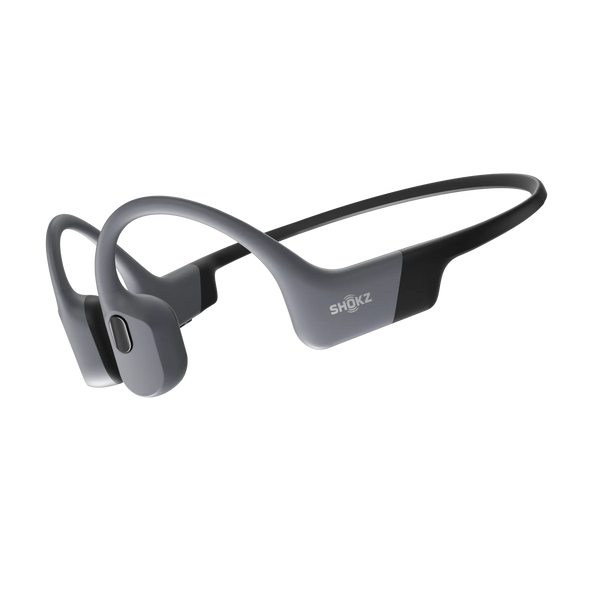
Key Features for Swimming Performance:
-
Bone Conduction Audio: Clear audio without blocking the ears, so breathing cues stay audible and rhythm stays consistent.
-
Dual Listening Modes: MP3 mode allows swimmers to train without a phone, providing steady audio cues that help maintain breathing rhythm and consistent lap timing.
-
Stable Comfortable Fit: Stays secure through turns and strokes, so rhythm isn’t broken by readjusting gear.
3. Build Consistent Pace Control
Practice holding a target speed for longer stretches instead of sprinting the first fifty and slowing at the end. Use lap counting or timed intervals to keep pace steady, gradually extending the distance you can maintain your chosen speed.
4. Increase Speed with Interval Training
Incorporate high-intensity sprints followed by short recovery laps. For example, swim 25–50 meters fast, then 15–30 seconds easy, and repeat. These intervals improve cardiovascular endurance and teach your body to sustain higher speeds over longer distances.
5. Improve Starts, Turns, and Push-Offs
Focus on explosive push-offs from the wall and tight, quick flip turns. Practice keeping your body streamlined during every start and turn, using each wall as an opportunity to gain speed without extra effort in the strokes.
6. Support Speed with Strength and Core Training
Strengthen your core, shoulders, and legs to stay streamlined and reduce drag. Incorporate fitness training with dry-land exercises like planks, push-ups, squats, and resistance band work to build the strength and stability needed for faster, more efficient swimming.
7. Track, Monitor, and Adjust Your Swimming Speed
Use a wearable, a poolside timer, or fitness apps to record lap times and stroke counts. Reviewing this data helps identify weaknesses, adjust technique, and plan targeted workouts to steadily improve average speed.
8. Maintain Mental Focus and Training Consistency
Set small, achievable goals for each session and focus on completing them. Avoid distractions and stick to a regular schedule, as consistent practice and concentration are key to gradually becoming a faster, more efficient swimmer.
FAQ
1. Does the Type of Swim Stroke Affect Speed?
Yes. Freestyle is your go-to for speed, though a powerful butterfly might beat it in a short burst. Breaststroke is slower by design, but it’s brilliant for building endurance. If you switch between strokes, you’ll keep your fitness more balanced.
2. What Is the 80/20 Rule in Swimming?
Think of it as engine management. You spend 80% of your laps at an easy, controlled pace just to build a base. The other 20%? That’s for going all-out. This split is the best way to get faster without hitting a wall or totally burning yourself out.
3. What Muscles Help You Swim Faster?
It’s basically a full-body grind. Your core keeps you level, but your shoulders, lats, glutes, and legs provide the actual drive. Use dry-land sessions to get these muscles working together. Once they're strong and coordinated, your stroke naturally gets smoother and a lot more explosive.
4. How Long Does It Take to Improve Swimming Speed?
It really depends on how often you show up. With 2–3 solid sessions a week, most beginners see a change in about 3–4 weeks. A quick technique fix can work instantly, but real, deep endurance usually takes a few months to develop.
5. How to Improve Swimming Technique?
Focus on stroke mechanics and body position. Swim short intervals with controlled pace, keep your core engaged, and exhale steadily underwater. Use drills like catch-up or finger-drag to refine arm movement and maintain smooth, efficient strokes.
Conclusion
Your average swimming speed is more than just a metric; it’s one of the clearest ways to see whether your training is paying off. Once you have that baseline, you can target weaknesses through improved stroke mechanics and well-structured interval sets. Consistency plays a major role in long-term improvement. Using wireless headphones like the OpenSwim Pro can help you stay focused and engaged during longer sessions without disrupting your rhythm. No matter your goal, a smart strategy and showing up consistently are what ultimately help you reach your full potential in the water.