What Is a Power Walker?

Power walking is often underestimated, but it’s one of the most practical fitness tips you can adopt to improve your health without putting stress on your body. It goes beyond a casual stroll by adding intention, pace, and proper form. When done correctly, power walking supports cardiovascular health, helps with fat loss, and builds endurance, all while remaining gentle on the joints. This article explains what power walking is, how it differs from regular walking, and how to make it part of a sustainable fitness routine.
What Exactly Is Power Walking?
Power walking is a structured form of walking performed at a brisk, purposeful pace. It delivers more intensity than everyday walking while avoiding the joint impact associated with running. The effectiveness of power walking comes from technique rather than speed alone. Good posture, active arm movement, core engagement, and controlled strides work together to raise your heart rate and turn walking into a full body workout.
Power Walking vs. Regular Walking
The main difference between power walking and regular walking lies in intent and form. Regular walking is usually relaxed and unstructured, while power walking focuses on pace, posture, and rhythm. Power walkers maintain an upright stance, swing their arms deliberately, and walk fast enough to noticeably elevate breathing and heart rate. This added structure increases calorie burn and cardiovascular benefits without increasing joint strain.
Key Benefits of Power Walking
Power walking offers a wide range of benefits, which is why it’s often recommended as a sustainable alternative to higher impact workouts. It delivers measurable fitness gains without requiring advanced training or expensive equipment.
-
Improves Cardiovascular Health: Power walking raises your heart rate into an aerobic zone, improving circulation, strengthening the heart, and supporting long term cardiovascular health. With consistency, it can help reduce the risk of heart disease and support overall longevity.
-
Supports Weight Loss and Fat Burning: Because power walking demands more effort than regular walking, it burns more calories in the same amount of time. It also helps elevate metabolism, meaning your body continues burning energy even after the walk ends.
-
Reduces Stress and Improves Mental Clarity: The steady, rhythmic motion of power walking helps reduce stress and tension. Combined with fresh air and endorphin release, it can noticeably improve mood, focus, and mental clarity, especially after long or demanding days.
-
Low Impact Alternative to Running: Unlike running, which places repeated stress on knees and joints, power walking delivers a strong cardiovascular workout with minimal impact. This makes it ideal for people with joint sensitivity, past injuries, or anyone seeking a gentler yet effective exercise option.
Why Power Walking Is a Great Exercise Choice?
Power walking stands out because it’s accessible, practical, and effective without demanding expensive gear or specialised training. It fits easily into everyday life, whether you’re walking around your neighbourhood, a local park, or a treadmill at home, making it realistic to maintain long term.
1. Low Impact on Joints and Muscles
Because power walking is low impact, it places far less stress on your knees, hips, and ankles than running. This makes it an excellent option for older adults, beginners, or anyone recovering from minor injuries while still delivering solid cardiovascular benefits.
2. Builds Endurance and Stamina
Although it feels gentler than running, power walking steadily improves stamina and aerobic capacity. Over time, you’ll notice longer distances feel easier, your pace increases naturally, and everyday activities require less effort.
3. Suitable for All Fitness Levels
Power walking adapts easily to your fitness level. Beginners can start slow and build confidence, while experienced exercisers can increase speed, distance, or incline to keep workouts challenging and engaging.
4. Low Cost and Convenient
Besides comfortable shoes, you need nothing special. No gym membership, no equipment purchases, no class fees. Parks, neighborhoods, or even indoor tracks provide suitable venues. Plus you control the schedule entirely.
How to Properly Power Walk?
Now that you know the benefits of power walking, it’s time for you to learn the techniques of it. Techniques matter more than you might expect for maximizing benefits and preventing discomfort. Good form not only boosts calorie burn and cardiovascular benefits, it also helps you to stay consistent and injury free.
1. Correct Posture and Footwear
Begin with upright posture: keep your back straight, shoulders relaxed, and eyes looking forward rather than down. Quality footwear is just as important. Choose walking shoes with solid arch support, responsive cushioning, and a flexible sole to protect your joints on longer walks.
2. Pacing and Technique Tips
Aim for a brisk pace where breathing is elevated but conversation is still possible. Your steps should be purposeful, not rushed. Take controlled strides, land heel to toe, and swing your arms naturally to engage your upper body and increase overall intensity, while complementing power walking with cross-training activities that help improve flexibility.
3. Set Goals and Track Your Progress
Clear goals keep power walking motivating and measurable. Set targets based on time, distance, or pace, then build gradually. Using a fitness app or wearable tracker helps you monitor progress, spot improvements, and stay accountable as your endurance grows.
How to Track Your Progress in Power Walking?
Tracking your progress is essential for staying motivated and turning power walking into a long-term habit rather than a short-lived routine. By measuring performance and consistency, you can clearly see improvements and stay focused on your fitness goals.
1. Use A Fitness Tracker or App
Fitness trackers and apps like Strava or Fitbit help monitor distance, pace, time, and calories burned with minimal effort. Reviewing this data over time makes it easier to spot trends, adjust intensity, and push toward personal bests without overtraining.
2. Set Milestones and Achievements
Breaking larger goals into smaller checkpoints creates regular wins that fuel continued progress. Celebrate your first continuous 30-minute session, hitting a new personal best, or completing your first month of consistent practice. These incremental victories built momentum far better than focusing only on distant endpoints.
Longer sessions required to reach meaningful milestones demand mental engagement. Many successful power walkers pair their walkouts with inspiring music or educational podcasts, transforming exercise time into learning opportunities or mood boosters. And among all the gadgets walkers have on their journeys, open-ear earbuds stand out the most as they provide premium audio while maintaining awareness of traffic, cyclists, and surroundings.
Shokz OpenFit 2+ enhances power walking sessions with balanced audio while supporting open ear security and comfort. Whether you're walking through neighbourhood streets or busy parks, they deliver reliable sound without isolating you from traffic or people around you.

Key Features:
-
DualBoost™ + DirectPitch™ Technology: Delivers dynamic, well balanced sound with clear mids and highs, helping you stay motivated and focused throughout longer walks.
-
Dolby Audio: Produces rich, immersive audio for music, audiobooks, or podcasts, making extended walking sessions more engaging and enjoyable.
-
Up to 48 Hours of Listening Time: Exceptional battery life allows you to walk for days without worrying about frequent recharging, ideal for daily routines.
-
IP55 Water Resistance: Sweatproof and water-resistant construction handles rain, humidity, and outdoor conditions with ease.
-
Secure Fit: Flexible ear hook design stays firmly in place, even during faster-paced power walking or uphill sessions.
-
Ultra-Soft Silicone™ 2.0: Designed for all-day comfort, reducing pressure and irritation during long walks.
-
MultiPoint Pairing: Easily switch between devices, such as calls on your phone and music from your watch, without interrupting your walk.
Shokz OpenDots 2 Open-Ear Clip-On Earbuds
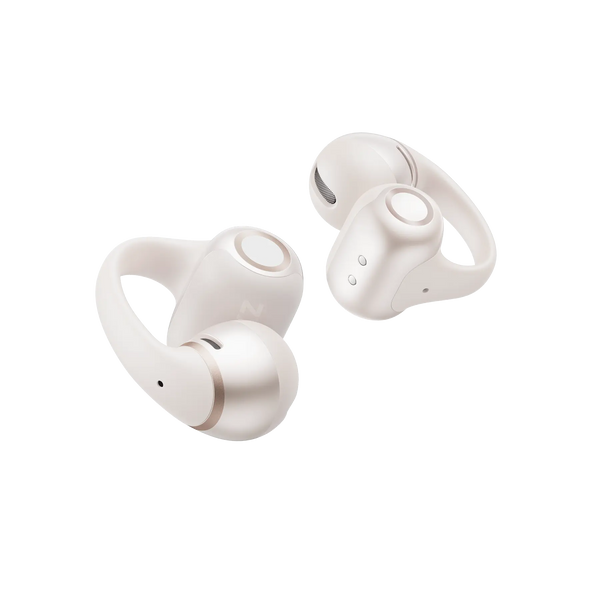
For anyone wondering what are clip-on earbuds, the OpenDots 2 serve as a perfect example, offering a lightweight, minimalist option built for comfort, clarity, and everyday power walking. Designed for those who prefer a "barely there" feel, these clip-on earbuds for power walking deliver high-quality sound while keeping your ears open to traffic, cyclists, and your surroundings. When figuring out how to choose clip-on earbuds, finding this exact balance is an important factor for outdoor exercise in busy neighborhoods, parks, or city sidewalks.
Key Features
-
Bassphere™ 2.0 + DirectPitch™ Technology with a Dual-Driver System: Produces punchy bass and crisp highs without sealing your ears, keeping audio clear while maintaining excellent situational awareness.
-
3-Microphone System: Optimizes voice pickup to ensure your calls are crystal clear, even when walking in windy or noisy outdoor environments.
-
Up to 40 Hours of Total Listening Time with Wireless Charging: Enjoy long-lasting power with up to 40 hours of total playback using the convenient wireless charging case.
-
IP57 Dust and Water Resistance: Upgraded durability handles heavy sweat, unexpected rain, and tough outdoor conditions with confidence.
-
Ultra Lightweight (6.4g): Each earbud weighs just 6.4g, reducing ear fatigue and making them comfortable for extended wear.
-
Secure Fit: A flexible nickel-titanium plate combined with a soft silicone grip keeps the headphones stable, even during faster-paced power walking.
-
MultiPoint Pairing: Connects to two devices at once, allowing seamless switching between music, podcasts, and phone calls while you walk.
Both designs prevent the isolated feeling of traditional earbuds, letting you stay connected to your environment while pushing toward those next achievements.
If you'd like to learn more about different open-ear designs, you can also explore ear hook vs clip-on earbuds before finding the right pair for your routine.
3. Measure How You Feel
Beyond distance and pace, pay close attention to how your body responds during and after each power walk. Notice changes in energy, mood, breathing, and overall endurance. Feeling more alert, less stressed, or able to walk longer without fatigue are strong indicators of progress. These day-to-day signals often matter just as much as the numbers on a screen and help you adjust your routine in a sustainable way.
Common Mistakes to Avoid While Power Walking
To get real results from power walking, technique and recovery matter just as much as effort. Avoiding these common mistakes will help you stay injury free, improve efficiency, and make your workouts more sustainable over the long term.
1. Overstriding or Taking Too Long a Step
Many walkers try to increase speed by lengthening their stride, which often leads to joint strain and inefficient movement. Instead, focus on quicker, controlled steps while keeping your stride natural. Landing your foot under your body helps maintain better form and reduces stress on the knees and hips.
2. Failing to Hydrate Properly
Even moderate walking can lead to dehydration, especially in warm weather. Not drinking enough water can reduce endurance and increase fatigue, so be sure to hydrate before, during, and after longer walks.
3. Walking Too Fast Without Warm-Up
Jumping straight into a fast pace can strain muscles and connective tissue. Begin each session with a few minutes at an easy, relaxed pace to loosen your legs and gradually increase speed once your body feels ready.
4. Ignoring Rest and Recovery
Power walking may be low impact, but your body still needs time to recover. Walking hard every day without rest can lead to fatigue or overuse issues. Mixing in lighter days or rest days helps your muscles recover and keeps your routine sustainable in the long run.
FAQs
1. How long should you power walk for?
Ideally, aim for at least 30 minutes of power walking three to five times a week. Beginners can start with shorter sessions and gradually increase duration as stamina, strength, and cardiovascular fitness improve.
2. Can power walking be combined with other exercises?
Yes, power walking pairs well with strength training, yoga, or mobility work. It provides steady cardiovascular conditioning, making it a perfect complement to outdoor workouts that focus on building muscle, flexibility, and balance for a more complete fitness routine.
3. Can you power walk on a treadmill?
Absolutely. Set the treadmill to a brisk pace and add a slight incline to mimic outdoor terrain. This increases intensity, engages more muscle groups, and boosts calorie burn without extra joint stress.
4. What are the best surfaces for power walking?
Flat, even surfaces such as sidewalks, running tracks, paved park paths, or treadmills are ideal. These reduce impact risk and help maintain consistent form, speed, and stride throughout your walk.
5. Does power walking help with balance and coordination?
Yes, power walking improves balance and coordination by engaging your core, hips, and stabilizing muscles. Maintaining proper posture and arm swing also reinforces body awareness and overall movement control.
Conclusion
Power walking shows that high-impact workouts aren’t the only way to achieve meaningful health gains. It strengthens your heart, supports weight management, and builds endurance while remaining gentle on joints, making it a smart choice for long-term fitness at any age. Because it’s easy to adapt to your pace, schedule, and environment, power walking fits naturally into daily life, whether you’re walking neighbourhood streets or local parks. With the right gear, such as Shokz OpenFit 2+ and Shokz OpenDots 2 from the Shokz open ear headphones lineup, you can enjoy clear audio, lasting comfort, and situational awareness, helping you stay motivated, consistent, and focused on your fitness goals.