Are Bluetooth Headphones Safe: What You Need to Know

Bluetooth headphones have become a staple in daily life, whether for work calls, workouts, or commuting. But many still wonder: Are Bluetooth headphones safe? Concerns often include radiation, potential health risks, and even links to cancer.
Understanding how Bluetooth works helps distinguish between genuine risks and common myths. This guide explores the health impact of Bluetooth headphones, offers smart usage tips, and compares wireless with wired options.
Why Are Bluetooth Headphones Not Bad for You?
Bluetooth headphones have been scrutinized for potential health risks, but research and physics show they are generally safe. Here’s why.
1. Extremely Low Bluetooth Radiation
Bluetooth devices emit very low levels of radiofrequency energy, with power output thousands of times lower than a smartphone held against the ear. For those concerned about do wireless headphones emit radiation or will Bluetooth cause cancer, this minimal exposure means the actual risk is extremely low. Even during prolonged listening, radiation remains far below safety limits set by international health organizations.
2. Non-Ionizing Radiation Exposure
Another key factor is the type of radiation. Bluetooth uses non-ionizing radio waves, which cannot break molecular bonds or damage DNA. Unlike X-rays or gamma rays, non-ionizing radiation has no mechanism to trigger cancer or genetic mutations.
3. No Proven Health Risks
Extensive studies on low-power radiofrequency exposure have found no consistent evidence of health problems from Bluetooth devices. Large authorities, including the World Health Organization, report that normal use of wireless headphones does not increase the risk of cancer or other serious conditions.
Important Things to Consider When Using Bluetooth Headphones
While Bluetooth technology itself poses minimal risk, how headphones are used matters more than the wireless signal. Healthy listening habits help prevent common issues like hearing fatigue and ear irritation.
1. Protect Hearing by Limiting Volume
Listening at high volume for long periods is the most common headphone-related health problem. Audiologists recommend keeping volume below 60 percent and taking regular breaks. Prolonged exposure to loud sound can cause permanent hearing damage, regardless of whether headphones are wired or wireless.
2. Maintain Earbud and Ear Hygiene
Earbuds trap moisture and bacteria if not cleaned regularly. Wipe earbuds with alcohol wipes and avoid sharing them. Keeping ears clean also reduces the risk of infections, especially for in-ear designs.
3. Stay Aware of Surroundings Outdoors
Being aware of traffic, cyclists, and other hazards is essential when using Bluetooth headphones outdoors. Choosing a design that keeps environmental sounds audible helps maintain safety during activity. Here are two Shokz models that fans love, each suited to different ways you like to listen.
The OpenFit 2+ is perfect for daily walks, commuting, or light workouts. Its open-ear design allows you to hear surrounding sounds like traffic and pedestrians, helping you stay safe. The ergonomic ear hook ensures comfort during long periods of wear, while its balanced audio provides clear music without blocking environmental awareness.
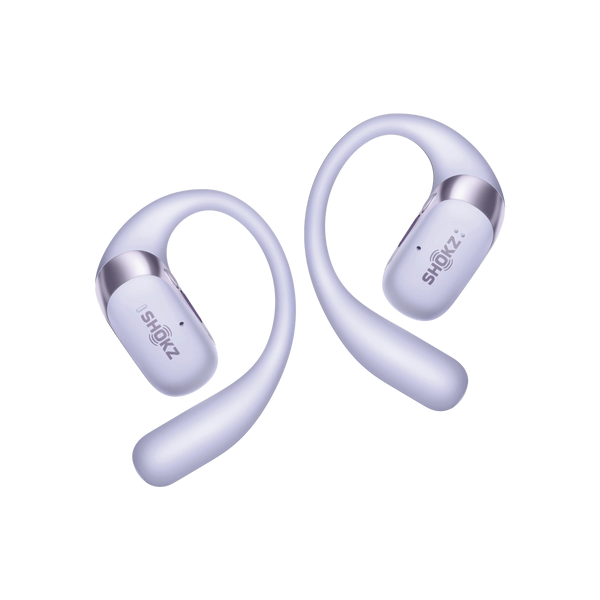
The OpenRun Pro 2 is designed for more intense outdoor activities, such as running, cycling, or long hikes. Its open-ear design keeps you alert to hazards, while the secure one-piece ear hook and sweat-resistant build ensure it stays in place and performs reliably even during vigorous movement.

4. Ensure Stable Bluetooth Compatibility
Poor Bluetooth connections can cause dropouts that tempt users to raise volume unnecessarily. Using headphones compatible with modern Bluetooth standards helps maintain stable audio and prevents volume spikes caused by signal interruptions.
5. Practice Proper Battery Care
Overheating batteries can shorten device lifespan. Avoid charging overnight on soft surfaces and keep headphones away from extreme heat. Proper charging habits also help maintain consistent performance over time.
Signs You're Using Headphones Unhealthily
Even safe devices can cause problems when misused. These signs may indicate it’s time to adjust listening habits.
1. Frequent Ear Discomfort or Pain
Persistent soreness often points to improper fit or excessive pressure inside the ear canal. Switching to a different style or reducing wear time usually helps.
2. Using High Volume in Noise
If background noise forces volume higher, consider noise-reducing or open-ear alternatives depending on the environment. Relying on loud audio to overcome surroundings accelerates hearing fatigue.
3. Experiencing Headaches or Pressure
Headaches may result from prolonged listening sessions, tight headbands, or dehydration. Regular breaks and better-fitting headphones can relieve pressure-related discomfort.
4. Noticing Reduced Hearing Sensitivity
Muffled hearing after listening sessions is an early warning sign. Temporary threshold shifts often recover, but repeated exposure can lead to permanent loss.
Bluetooth vs Wired: Health Comparison
Many people assume wired headphones are safer. The reality is more nuanced.
1. Differences in Radiation Exposure
Wired headphones emit no RF radiation themselves, but the connected phone still does. Bluetooth headphones emit low-level RF, yet often allow the phone to stay farther from the head. Overall exposure can be similar or even lower with Bluetooth depending on usage.
2. Overall Health Risk Assessment
From a medical perspective, neither wired nor Bluetooth headphones present meaningful cancer risk. Sound exposure and listening duration remain the primary health concerns.
3. Practical Usage and Convenience
Wireless headphones eliminate cable strain and improve mobility. For active users, this often leads to a more comfortable listening experience and better posture compared with wired setups. Comfort influences how long headphones are worn, which matters more than radiation type.
FAQ
1. Is Bluetooth Bad for Your Brain?
No credible scientific evidence shows Bluetooth signals harm brain tissue. Bluetooth uses non-ionizing radiation at levels far below safety limits.
2. How Long Can You Safely Use Bluetooth Headphones Per Day?
There is no strict time limit, but experts recommend following the 60/60 rule: listen at no more than 60 percent volume for no longer than 60 minutes at a time before taking a break.
3. Is Bluetooth Safe for Pregnant Women and Infants?
Bluetooth exposure levels are well below international safety thresholds. Normal use is considered safe for all age groups, including pregnant women and infants.
4. Can Bluetooth headphones cause ear infections?
Using Bluetooth headphones may increase the risk of ear irritation or infections if moisture, sweat, or bacteria build up on the earbuds. Regular cleaning, not sharing devices, and keeping your ears dry can help reduce this risk and support safer listening habits.
Conclusion
Bluetooth headphones are safe when used responsibly. What matters most is how they are worn and used: keeping volume at a moderate level, taking regular listening breaks, maintaining hygiene, and choosing a comfortable, suitable design for daily activities. With these mindful habits, they can remain a reliable, convenient part of everyday life.