Does Swimming Help You Lose Weight? The Truth About Swimming for Weight Loss

Do you struggle to lose weight or want a low-impact, engaging workout? Try swimming. It burns calories, works multiple muscle groups, and improves cardiovascular fitness. The mix of resistance, aerobic effort, and full-body movement makes it effective for sustainable fat loss.
This guide explains how swimming supports weight loss, how many calories you can burn, and how to set up a training program for consistent results.
How Swimming Promotes Weight Loss
Swimming supports fat loss through a combination of three things: muscular engagement, cardiovascular demand, and metabolic stimulation. Before looking at strokes or calorie numbers, let’s look at why swimming works so well for weight loss.
1. What Makes Swimming Effective for Weight Loss
Swimming creates a unique physiological environment that helps burn fat while burning calories.
Full-Body Engagement and Calorie Burn
Swimming uses almost every major muscle group, including the shoulders, back, core, glutes, and legs. Your body has to work against the constant resistance of water. The steady-paced resistance of swimming requires more muscular effort than many other cardio exercises. This leads to higher overall calorie burn.
Elevated Heart Rate and Enhanced Cardiovascular Function
Sustained swimming keeps your heart rate elevated while remaining low impact. This improves cardiovascular efficiency and allows for longer training sessions. As a result, your body can burn calories and fat more steadily, making swimming an effective tool for weight loss.
Hormonal Response That Supports Fat Breakdown
Consistent swimming can cause favorable hormonal responses. Such as increased insulin sensitivity and generally higher body metabolism. Over time, this helps your body use fat as a fuel source, particularly during longer or moderate-intensity sessions.
2. Types of Swimming Strokes for Maximum Fat Loss
Not all swim strokes burn calories at the same rate. Freestyle is generally one of the most efficient strokes for fat loss, engaging the whole body continuously and allowing relatively higher speeds. It works well for steady aerobic sessions or interval training, helping you maintain your fitness training, while maximizing calorie and fat burn.helping maximize calorie and fat burn.
Other strokes can complement your training:
-
Breaststroke: Burns calories slightly slower but is easier to control and maintain rhythm, making it good for beginners or longer endurance sessions.
-
Butterfly: Uses the whole upper body and core intensely. Short, high-intensity intervals can boost calorie burn quickly but aren’t suited for long sessions.
-
Backstroke: Moderate calorie burn, helps strengthen the back and maintain posture, and can be used as an alternative between freestyle or butterfly intervals.
How Many Calories Do You Burn Swimming?
How many calories are burned varies widely depending on the person and their training routine.
1. Calories Burned Swimming by Body Weight
Heavier individuals generally burn more calories because of increased resistance in the water. A 180-pound swimmer will burn more calories per hour than a 140-pound swimmer at the same pace.
2. Calories Burned Swimming by Session Duration
You will burn more calories the longer you swim, especially when intensity is maintained. A 45-minute continuous swim often burns more calories overall than a short, high-intensity swim.
3. Calories Burned Swimming by Stroke Type
High-intensity strokes like butterfly and fast freestyle burn more calories per minute. Backstroke and breaststroke burn less calories per minute but are good for longer swims when you can actually burn more total calories.
4. Swimming Calorie Burn Compared to Other Cardio
You can burn as many calories during swimming as with running and cycling. Plus swimming has the added advantage of reduced wear on joints and using more muscle areas.
Comparing Swimming with Other Cardio Exercises
Swimming is an effective way to burn calories, and for many people it may be a better choice for long-term consistency.
1. Swimming vs Running
Running burns calories efficiently, but improper form or high-impact training can put repeated stress on the joints. With swimming you get similar weight loss with much lower impact. Over time, swimming is easier on your body.
2. Swimming vs Cycling
While the benefits of cycling include being easier on your joints, it mainly works the lower body. Swimming, on the other hand, engages both upper and lower body muscles, supporting a more balanced approach to weight loss.
3. Swimming vs HIIT
HIIT (high intensity interval training) burns calories at a high rate but can be difficult to do consistently. With swimming you can control your intensity and do longer sessions. This is better for steady, sustainable fat loss.
|
Exercise |
Calorie Burn |
Joint Impact |
Muscle Engagement |
|
Swimming |
High |
Low |
Full-body |
|
Running |
High |
High |
Lower body |
|
Cycling |
Moderate |
Low |
Lower body |
|
HIIT |
Very High |
Variable |
Full-body |
Building an Effective Swimming Training Program for Weight Loss
A successful swimming program for weight loss balances frequency, intensity, and choice of strokes. The best plan makes sure each session supports fat loss, endurance, and overall fitness.
1. Setting the Right Weekly Swim Frequency for Consistent Fat Loss
Building consistency is very important. Beginners can start with 2–3 sessions per week, and then increase to 4–5 times per week as fitness improves. Workouts need to be spaced to allow the body to recover, but still need to maintain consistency. This way you can continue weight loss progress.
2. Structuring Swim Sessions by Duration and Intensity
A good swim program balances session length and intensity. Longer steady swims build endurance, while shorter high-intensity intervals boost calorie burn. Varying pace and effort can make it hard to keep a steady rhythm, especially during challenging intervals. Using audio cues can help maintain consistent timing and focus throughout the session.
Waterproof headsets like Shokz OpenSwim Pro make this easier. Its open-ear design keeps you aware of your surroundings, and the secure, waterproof fit ensures music or guidance stays with you throughout the session, helping maintain rhythm, pacing, and focus.
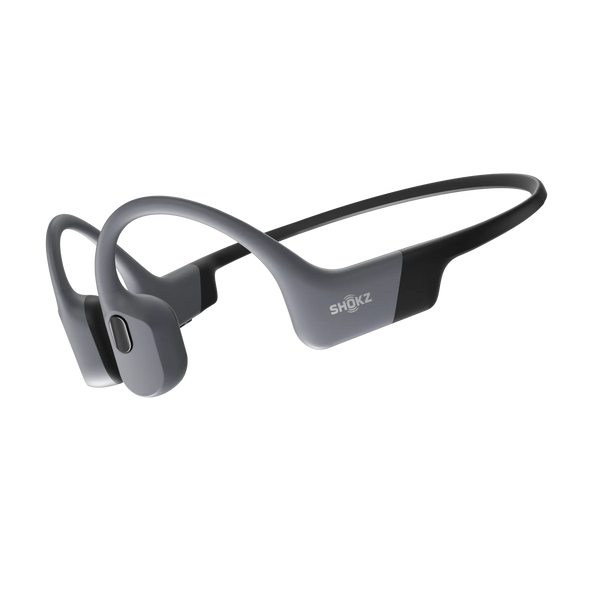
Why It Fits Structured Swim Sessions:
-
8th-Gen Bone Conduction Tech (PremiumPitch™ 2.0+): Delivers clear, immersive audio with an open ear design that supports focus and consistent pacing during training.
-
IP68 Waterproof Rating: Engineered for depths up to 2 meters in fresh water, perfect for pool or open-water sessions.
-
Bluetooth V5.4 + MP3 Mode : Offers wireless connectivity on land and reliable MP3, phone-free listening underwater.
-
Secure, Ergonomic Fit: With flexible ear hooks and a nickel-titanium alloy headband, Shokz open ear headphones stay securely in place through every stroke and turn.
-
Battery Life & Quick Charge: Up to 9 hours with Bluetooth, 6 hours in MP3 mode, enough to support multiple training sessions.
3. Choosing Swim Strokes That Maximize Calorie Burn
Different strokes will use different muscle groups in varying degrees. Fast freestyle and butterfly strokes burn the most calories per minute. Breaststroke and backstroke burn calories at a lower, more sustainable rate. Mixing strokes uses more muscle areas, and it reduces fatigue, so you can have consistent calorie burn.
4. Using Interval Sets to Increase Fat Loss Without Overtraining
Interval sets, alternating high-intensity workouts with intermittent recovery, increase calories burned without overtraining. For example, swimming 50 meters at full speed followed by 50 meters recovery will elevate your heart rate and increase fat burning. Match your interval training to your fitness level to enjoy good progress and avoid hurting yourself.
FAQ
1. What Muscles Do Swimming Work?
Almost all muscles. Swimming works the shoulders, back, chest, core, glutes, and legs. Different strokes emphasise different muscle groups. This balanced approach can improve strength, endurance, and overall functional fitness over time.
2. Can I Lose Belly Fat by Swimming?
Swimming helps reduce overall body fat, including belly fat. But spot reduction isn’t really possible. If you practice consistent swimming combined with moderate-intensity workouts you will see changes in your waistline and develop core muscles.
3. Will Swimming Change My Body Shape?
Yes. Swimming often leads to leaner muscles, better posture, and a more balanced shape because you use more muscles. . Regular sessions can improve muscle tone and joint mobility, and you look more fit.
4. How Much Do You Need to Swim to Lose Weight?
Most people see results with 30–60 minutes per session, several times per week. The key is maintaining intensity and gradually increasing duration and stroke variation over time.
5. Is Swimming Enough to Lose Weight Without Dieting?
Swimming can be a key part of a weight loss program, but eating habits play a critical role too. Combine swimming with mindful eating habits and a balanced diet to get the most sustainable results.
Conclusion
Swimming is an effective way to lose weight when done consistently. It combines high calorie burn, full-body muscle exercise, and low stress on your body. It is well suited for both beginners and experienced athletes. With some practice you can easily develop your own swimming training program for sustainable, long term weight loss.