Does Spotify Have Dolby Atmos in 2026?

You might’ve heard friends praise Dolby Atmos, then opened Spotify to look for it, only to find the same stereo options and no spatial settings. It’s frustrating when other platforms offer a more immersive sound.
So, does Spotify have Dolby Atmos? No. Not in 2026. Spotify has not announced plans to add it. This article explains what audio features Spotify offers today, where to listen to Dolby Atmos music, and how to choose the right service and devices if sound quality matters.
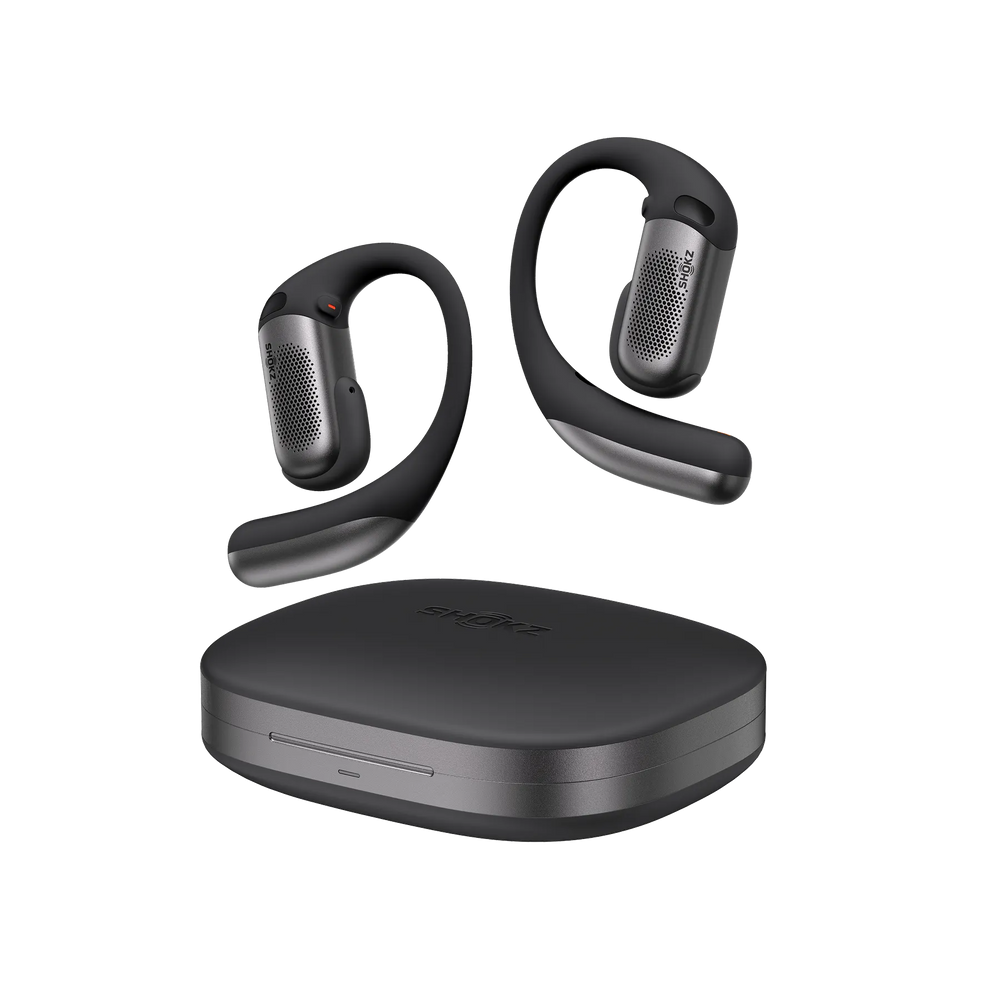
Does Spotify Support Dolby Atmos in 2026
As of January 2026, Spotify still doesn’t offer Dolby Atmos playback. The platform has consistently avoided this format despite competitive pressure.
1. Availability of Spatial Audio on Spotify
Spotify doesn’t offer spatial audio in any form. The company hasn’t given a clear public reason for leaving spatial audio out. Some point to licensing costs. Others think Spotify is putting more energy into podcasts and platform growth than music quality.
2. Key Limitations of Spotify's Audio Technology
Spotify Premium users get 24-bit/44.1 kHz lossless quality, free users are capped at 160 kbps. Lossless didn’t actually show up on Spotify Premium until September 2025. Dolby Atmos works best with high fidelity, without that foundation, spatial features would deliver compromised results. This says a lot about where sound quality sits on Spotify’s priority list.
How to Experience Dolby Atmos Today
If you want to experience Dolby Atmos today, switching platforms is one available option. The upside is that you get instant access to huge libraries of spatial audio, with millions of tracks already mixed for it.
Dolby Atmos Support on High-Res Streaming Platforms
Leading high-fidelity platforms include Dolby Atmos at no extra cost for subscribers. These platforms automatically detect if your headphones or speakers support Atmos, and tracks mixed in Atmos display badges on album pages.
Support on Amazon Music Unlimited
Amazon Music Unlimited also offers Dolby Atmos through its “Ultra HD” tier. The Atmos catalog continues to expand rapidly and covers most major releases. You can experience Atmos with Amazon Music Unlimited using compatible earbuds, soundbars, and home theater systems. Amazon also supports other immersive formats like 360 Reality Audio alongside Dolby Atmos, giving listeners and artists more flexibility.
Spotify vs. High-Res Platforms vs. Amazon Music
Picking a streaming service really comes down to how much you care about spatial audio versus everything else the app offers.
Music Catalog and Dolby Atmos Availability
Major streaming services claim over 100 million songs. The real difference comes down to Dolby Atmos availability. Dedicated high-res platforms often lead with extensive Dolby Atmos catalogs, while Amazon Music Unlimited offers a solid, growing selection.
Supported Audio Formats and Sound Quality
Premium spatial audio platforms stream lossless audio up to 24-bit/192 kHz along with Dolby Atmos. Amazon Music Unlimited brands this equivalent setup as Ultra HD. Spotify didn’t roll out lossless until December 2025, featuring tracks with fidelity up to 24-bit/44.1 kHz under the Premium plan.
For casual listeners on basic earbuds, the difference might not jump out right away. Plug in quality gear and the gap becomes obvious. Lossless audio keeps more detail intact, and spatial mixes create depth that stereo just can’t pull off.
Device Compatibility
With Spotify's traditional stereo setup, compatibility is a non-issue, playing fine on just about any device. However, for true spatial audio on high-res platforms, your device must have a compatible operating system plus supported headphones or speakers. Amazon Music Unlimited is highly versatile and works across a wide range of devices, including older smartphones and third-party audio gear.
Pricing and Subscription Value
As of January 2026, Spotify Premium costs $12.99 a month. Other premium spatial audio platforms typically come in lower at $10.99 a month. Amazon Music Unlimited is $10.99 for Prime members or $11.99 without Prime.
These spatial-audio-enabled services deliver more value while often being more affordable than Spotify. Spotify's advantage lies in its superior podcast library and discovery algorithms. For music-focused listeners, the spatial audio platforms almost win outright.
Devices That Support Dolby Atmos Music
Getting Dolby Atmos music isn’t just about the streaming service. You also need hardware that can actually handle spatial audio, whether that’s your phone, headphones, or home setup.
Smartphones and Tablets Compatible With Dolby Atmos
Most modern flagship smartphones support Dolby Atmos. The level of support largely depends on the specific model and manufacturer. Many premium Android devices include Atmos natively, and various Google Pixel models support it as well. Check your device's audio settings for Dolby or spatial sound options. If you don’t see anything, the phone or tablet likely isn’t capable of Atmos.
Headphones and Earbuds That Support Dolby Atmos
Headphones might play Dolby Atmos tracks with no issue, but often only Dolby Audio certified devices can enable the full Dolby Atmos experience. These devices come in different form factors, and comparisons like ear hook vs clip-on earbuds can help listeners understand how different designs fit their everyday listening needs. Models with dedicated spatial-audio tuning can help deliver clearer direction and a stronger sense of space. Various premium wireless earbuds and over-ear headphones serve as great examples, working seamlessly with spatial audio straight out of the box.
If you are looking for a device perfectly suited to your specific audio and comfort needs, the OpenFit Pro—one of the Shokz open earbuds optimized specifically for Dolby Atmos—is an excellent option worth considering.
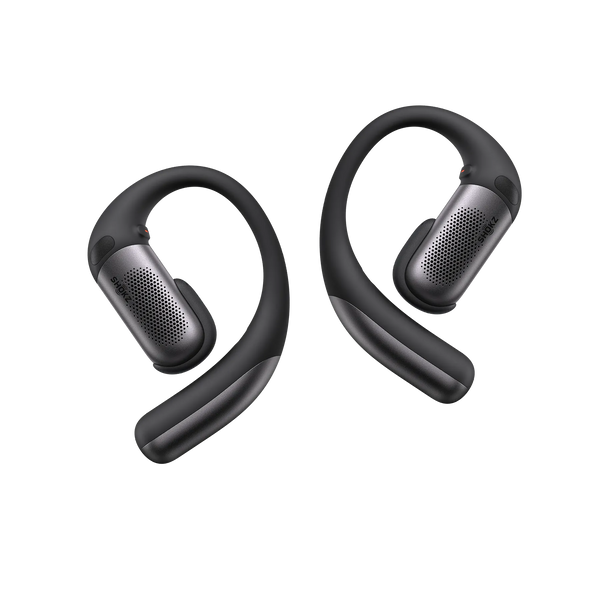
Key features of the OpenFit Pro for spatial audio:
-
Dolby Atmos Optimization: Built to handle Dolby Audio streams and head tracking for accurate sound placement
-
SuperBoost™ Technology: Dual-diaphragm drivers reaching up to 40kHz help keep detail intact in Atmos mixes
-
DirectPitch™ Audio: Improves sound positioning so audio feels clearly placed in 3D space
-
Comfort for Long Listening: Soft silicone construction at about 12.3 grams per earbud reduces fatigue
-
50 Hour Battery Life: With noise-reduction disabled, its long battery life supports extended Dolby Atmos listening without constant recharging
With a spatial audio performance rivaling in-ears, Shokz OpenFit Pro’s open-ear design gives all the right answers to quality-of-life problems you might not have realized. No more ear wax build-up, ear tips falling off, or sweaty ears in the summer from the headphone pad seal. Designed with open ear security and comfort in mind, it helps you stay connected to the world while enjoying immersive spatial audio.
Home Audio Systems and Soundbars With Dolby Atmos
Home audio systems deliver the most impressive Dolby Atmos experience. Even entry-level models that cost around $300 can provide proper bass depth that is miles better than standard TV speakers.
Going into the mid-tier range at around $700 gets you additional rear speakers that complete the surround effect, along with substantially better drivers and internal chips. At the premium range of $1,300 and beyond, you get serious home cinema setups featuring AV receivers powering separate speakers positioned precisely around the room. This reveals fine details and creates the immersive, enveloping effect that Dolby Atmos was designed for.
FAQ
1. Does Dolby Atmos Increase Battery Consumption?
Yes, but only slightly. Dolby Atmos uses a bit more processing power, so battery drain is usually about 5-10% higher than standard stereo. On most modern phones, that’s barely noticeable over a full day. Streaming over cellular can also use a little more data, but the difference is minor.
2. Is Spotify Going to Get Lossless Audio?
Yes, it finally happened. After more than four years of delays, Spotify rolled out lossless audio in September 2025. Premium subscribers can now stream in 24-bit/44.1 kHz FLAC at no extra cost.
3. Can Dolby Atmos Improve Music on Wireless Earbuds?
It can, though results vary. A well mixed Atmos track can still sound more open and layered even on basic wireless headphones. Instead of everything sitting left and right, vocals and instruments feel spread out around you, which makes the mix easier to follow.
4. Does Spotify Support Surround Sound?
No. Spotify streams everything in stereo, regardless of the device you’re using. It doesn’t support 5.1, 7.1, or any spatial audio formats on any subscription tier.
5. Can Dolby Atmos Make Podcasts More Immersive?
In theory, yes, but in practice, almost no podcasts use it. Most shows stick to mono or stereo because spatial mixing adds cost without much benefit for spoken content. Dolby Atmos makes a much bigger difference with music than with talk-focused audio.
Conclusion
As of 2026, Spotify still limits music playback to standard stereo. Although lossless audio is now available, the platform has not added Dolby Atmos or other spatial audio formats. If sound quality is high on your list, exploring different Spotify playlists or switching services opens the door to Dolby Atmos and spatial audio across millions of tracks. With the right devices, those formats add depth and immersion that standard stereo can’t match, making the listening experience feel noticeably more engaging.