How Waterproof Do Open-Ear Headphones Need to Be?

Sweat, rain, or moisture during workouts can easily affect headphones’ performance and lifespan. Pick the wrong waterproof rating, and you're looking at crackling audio, corroded charging ports, or a dead pair of buds. This guide breaks down waterproof ratings and helps you choose the right option for your daily activities.
What Are The IP Ratings for Waterproof Headphones
IP stands for Ingress Protection, showing how well headphones resist water and dust. Here’s what the most common ratings mean in real-world use. IPX codes like IPX4 or IPX7 can be confusing. Here’s a simple explanation.
1. Key Waterproof Levels Used in Headphones
Headphones rely on IPX ratings to show water resistance. The most common you’ll see are IPX4, IPX5, IPX6, and IPX7. Each number represents a different level of protection, from sweat and light splashes to short submersion, all based on official IP rating testing methods.
2. Practical Differences between IPX4, IPX5, IPX6, and IPX7
The real difference comes down to how much water your headphones can actually handle.
-
IPX4 is made for daily sweat and light splashes. It’s ideal for casual walks, commutes, and light workouts where moisture is mild but consistent.
-
IPX5 handles more direct water exposure. It resists steady water jets, so it holds up during heavy gym sessions or runs in steady rain.
-
IPX6 is built for harsher conditions. It can stand up to powerful, high-pressure water streams—perfect for hiking in heavy downpours or cycling in rough weather.
-
IPX7 offers strong water resistance and can handle brief submersion. However, it is not designed for swimming or extended underwater use.
It’s important to note that IP ratings are determined under controlled, cold-water, static testing conditions, so real-world performance may vary with sweat, heat, or dynamic movement.
What Makes Waterproofing Important for Open-Ear Headphones?
Waterproofing isn't just a bonus—it's what keeps your headphones going strong over time.
1. Protecting Internal Components from Sweat and Moisture Damage
Open-ear headphones pack delicate electronics that don't mix well with sweat or water. A solid waterproof rating blocks corrosion and short circuits, keeping everything inside running smoothly for the long haul.
2. Maintaining Stable Sound Quality in Wet Conditions
Water can throw off your audio by messing with the speaker diaphragms. Good waterproofing locks in consistent, clear sound quality—whether you're drenched mid-workout or caught in a downpour.
3. Extending the Lifespan of Open-Ear Headphones
Constant moisture beats up headphones faster than you'd think. Proper waterproofing preserves the hardware and finish, so your gear holds up through countless runs, rides, and gym sessions.
How to Choose Open-Ear Headphones with The Right Waterproof Level
Matching your headphones to your lifestyle means finding the sweet spot between comfort and durability.
1. Identifying Your Primary Usage Scenarios
Different activities expose headphones to varying moisture. Light sweat on a commute is mild compared to intense workouts or swimming. Knowing your main use helps avoid overpaying or risking damage.
Daily Commuting or Office Wear
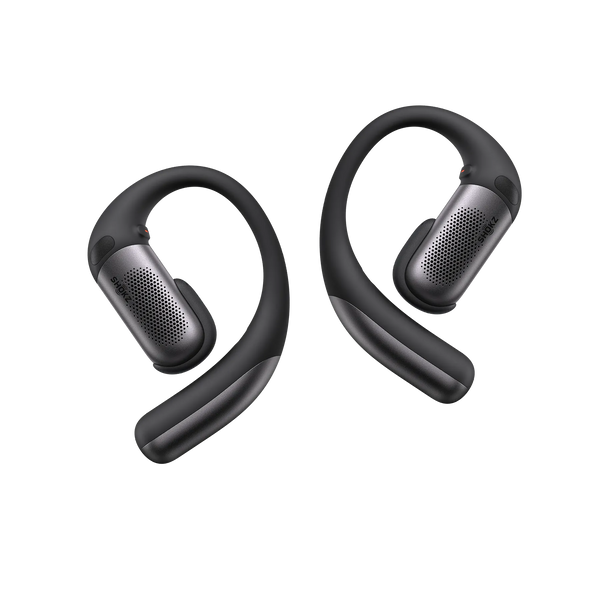
Everyday listening involves minimal moisture—maybe light sweat on a walk or a drizzle. Full waterproofing is overkill; a moderate rating with all-day comfort suffices. The Shokz OpenFit Pro fits the bill: open-ear design keeps you aware, lightweight titanium ear hooks and Ultra-Soft Silicone™ 2.0 stay secure without pinching, and IP55 resists sweat and splashes.
Running, Gym Workouts, and Cycling
Active workouts bring more sweat and movement. Headphones need stronger water resistance and stability. The Shokz OpenRun Pro 2 meets this with a flexible Ni-Ti memory wire that keeps them secure, an open-ear design for environmental awareness, and IP55 to handle heavy sweat.

Swimming or water-based workouts
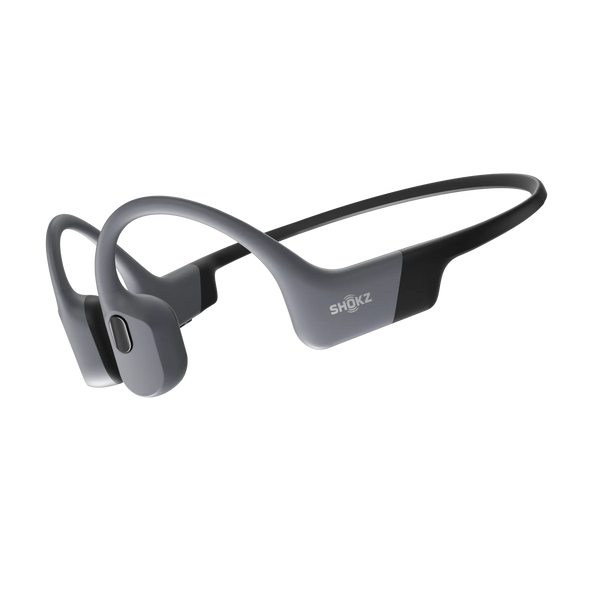
Water sports demand full submersion capability. The Shokz OpenSwim Pro is built for this with IP68. Bone conduction keeps ears open and secure, and Bluetooth + MP3 playback lets you listen above water or directly from the device when submerged.
2. Matching IP Ratings to Your Activity Level
|
Activity Level |
Recommended IP Rating |
|
Light Activities(like walking or commuting) |
IPX4 |
|
Intense Workouts(running or gym sessions) |
IPX5 |
|
Outdoor Adventures |
IPX6 |
|
Accidental Water Contact(not for swimming) |
IPX7 |
Note: Ratings are measured under controlled conditions, so real-world performance may vary. Pick the level that suits your routine for durability without extra bulk.
3. Evaluating Waterproof Design and Protective Materials
IP ratings show the official protection level, but real-world moisture resistance also depends on build quality. Protective coatings, sealed parts, and corrosion-resistant materials all help shield sensitive electronics from sweat and water.
For open ear headphones, look for silicone covers, reinforced frames, and tightly sealed acoustic chambers. These extras improve durability while keeping the headphones comfortable and secure during daily use or workouts.
4. Balancing Waterproof Performance with Comfort and Sound Quality
The highest IP rating isn’t always best for open-ear headphones. Excessive waterproofing can add bulk and reduce comfort, while careful design—lightweight frames, soft silicone pads, and sealed acoustic chambers—keeps them secure and preserves clear, natural sound. Thoughtful construction ensures headphones stay comfortable, stable, and reliable in real-world use.
5. Charging Port Considerations for Waterproof Headphones
Even headphones with high IP ratings have vulnerable points—often the charging port. Sweat, rain, or splashes can seep in, causing corrosion or shorts. Choose models with covered, magnetic, or capped ports, and clean them after heavy moisture to keep performance and waterproofing intact.
FAQ
1. Can Rain Affect Bluetooth Connectivity?
Light rain or drizzle usually won’t cause Bluetooth issues, but heavy downpours or submersion in standing water can temporarily disrupt the signal. Most well-built open-ear headphones with strong waterproof seals will maintain a steady connection through typical rain or sweat. Just be mindful of extended exposure to extreme wet conditions.
2. Do Waterproof Coatings Wear out over Time?
Yes, over time, protective seals and coatings can wear down—especially with frequent sweat exposure, cleaning, or physical wear. To maintain performance, periodically check for signs of damage, avoid harsh chemicals, and clean gently with a slightly damp cloth rather than submerging or scrubbing aggressively.
3. How Should You Dry Open-Ear Headphones after Exercise?
Wipe them down with a dry, soft cloth first, then let them air dry naturally. Skip heat sources or soaking them in water for cleaning—even with waterproofing, this can harm the internal electronics.
4. Do Waterproof Headphones Still Need Cleaning after Workouts?
Absolutely. Sweat and skin oils can accumulate on their surfaces over time—this not only makes them slippery but also unhygienic. A quick wipe with a soft cloth right after use will keep them clean and help them last longer.
5. Can Waterproof Headphones Handle Ocean Water?
Salt water is harsher and more corrosive than fresh water. Even wireless headphones with an IPX7 rating might wear down gradually if you use them in the ocean often. If they do get exposed to salt water, rinse them off with fresh water and dry them thoroughly afterward.
6. Does Waterproof Protection Affect Battery Life?
Waterproofing itself won’t directly hurt your headphone’s battery performance. Some sealing methods might add a tiny bit of weight or limit how the charging port is designed, but in real-world use, this impact is barely noticeable.
Conclusion
Water resistance is a far more critical feature for open-ear headphones than most consumers realize. Sweat, rain, or water exposure can gradually affect both performance and durability if the protection level isn’t right. In the end, the best choice isn’t always the highest IP rating. It’s finding the perfect balance between protection and design—one that fits how you actually listen, wherever your day takes you.


