Is the OpenDots ONE a Bone Conduction Headphone? No — Here's What It Actually Uses

Seeking situational awareness often leads us to open-ear headphones like the OpenDots ONE. Because open-ear designs are so frequently associated with bone conduction, many people naturally assume the OpenDots ONE falls into the same category.
Actually, it relies on directed air conduction.
This shift in technology reshapes the listening experience. By avoiding the cheekbone vibrations and clamping pressure typical of bone conduction, it prioritizes a lighter fit and a fuller bass response. Let’s explore how this approach works and, more importantly, under what specific scenarios the OpenDots ONE becomes your ideal choice.
“Open-Ear” Is an Umbrella — Bone Conduction Is Just One Thing Under It
The term “open-ear” describes a listening philosophy: audio delivered without blocking or sealing the ear canal. That philosophy can be executed through several different engineering approaches, and bone conduction is only one of them.
What “Bone Conduction” Actually Means in a Headphone
Bone conduction headphones work by pressing a transducer against the cheekbone or jaw, converting audio into mechanical vibrations that travel through bone directly to the cochlea — largely bypassing the eardrum.
Why the Label “Open-Ear” Gets Applied to Both
Retail categories and marketing copy tend to flatten nuance. When a product keeps your ears unobstructed and lets ambient sound in, it gets tagged “open-ear” — regardless of whether it uses bone vibration, a miniature speaker aimed at the ear canal opening, or any other delivery mechanism. The result is a single umbrella label covering genuinely different technologies. Shoppers who search “open-ear headphones” land on bone conduction models, air conduction clip-ons, and open-back earbuds in the same results page, with no clear signal that these products work through fundamentally different physics. That’s where the confusion starts — and it’s a category-labeling problem, not a user error.
What Powers the OpenDots ONE: Directional Air Conduction
How the OpenDots ONE Delivers Sound Without Touching Your Ear Canal
When figuring out how to choose clip-on earbuds, understanding how they deliver sound is key. Instead of sending mechanical vibrations through your cheekbone, it functions as a miniature speaker resting just outside your ear.
As detailed in the OpenDots ONE guide, the earhook positions a small audio driver near the opening of your ear canal, guiding sound waves across the short gap of air between the device and your ear.
Your eardrum receives this audio naturally, much like it does when you listen to music playing in a room, just on a micro scale. Because the speaker sits near the ear canal rather than inside it, the physical pathway stays completely open. This lets you hear your audio clearly without needing to wedge an earbud inside your ear or press a transducer heavily against your face.

Why It Produces Less Vibration Than a Bone Conduction Model
If you are switching from bone conduction, you might immediately notice the lack of a familiar physical buzz. It is easy to interpret this as a drop in power, but it simply reflects a different mechanical approach.
Bone conduction relies on strong mechanical energy to push sound through dense bone tissue, making that vibration an unavoidable byproduct. The OpenDots ONE, however, uses a speaker to project sound through the air. Since it doesn't need to shake your cheekbone to transmit audio, the physical sensation against your face is naturally much lighter.
What This Means for Ambient Sound Awareness
With the OpenDots ONE, your music and the outside world share the exact same pathway: your ear canal.
At normal volumes, you can comfortably hear both. However, as you turn the music up, it naturally starts to mask ambient noise.
This is the main practical difference from bone conduction. Because bone conduction routes audio through your cheekbones, the two streams never compete. With air conduction, louder music simply overpowers quieter background sounds.
What This Means for Sound Quality and Bass
Bone conduction typically struggles with bass. Pushing deep notes through your cheekbones is physically difficult, which often makes the music sound thin.
The OpenDots ONE avoids this by sending sound through the air—a much more natural medium for music.
The result is a richer overall sound and noticeably punchier bass. While it won’t match the heavy thump of an earbud sealed inside your ear, it easily delivers a fuller, more balanced audio experience than bone conduction can physically achieve.
Making the Right Choice: Match the Tech to Your Routine
Spec comparisons only tell part of the story. The best way to choose—and avoid a return shipment—is to align the technology with where you actually plan to use it.
When to Choose the OpenDots ONE
If your primary environment is an office, a home workspace, or a casual setting, the OpenDots ONE is likely the better fit. Because it uses an air-based speaker rather than a bone transducer, it naturally delivers a fuller sound profile and richer bass. The clip-style design also eliminates cheekbone pressure, making it highly comfortable for all-day wear, gaming, or long listening sessions.
When to Choose Bone Conduction
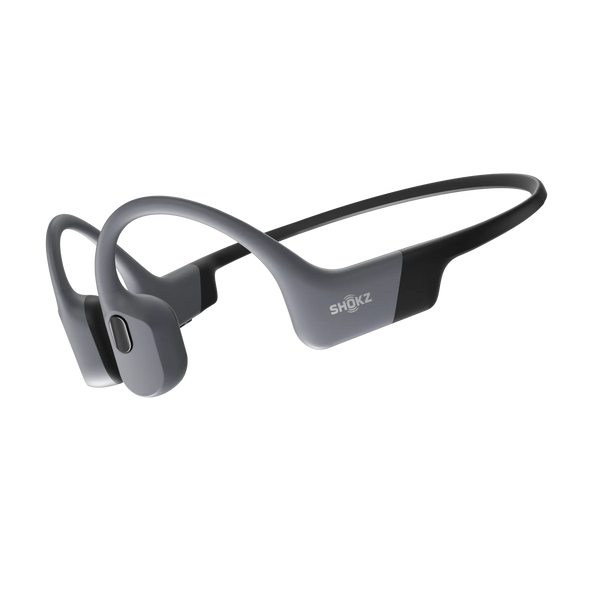
If your routine involves outdoor training or water sports, bone conduction remains the more practical tool. For runners and cyclists navigating traffic, models like the OpenRun Pro 2 keep the ear canal entirely clear, helping maintain maximum situational awareness. For swimmers, devices like the OpenSwim Pro use bone vibration to transmit audio effectively while submerged—an environment where air-driven speakers struggle to function.
Ultimately, both designs solve the problem of open-ear listening. The right choice simply depends on whether your day demands richer audio at a desk or environmental awareness on the road.

Conclusion
At their core, the OpenDots ONE and Shokz bone conduction models aren’t competing against each other. They simply represent two distinct ways to deliver on the same open-ear promise.
The only thing left to decide is which experience matches your reality.
If you want richer sound and all-day comfort for your workspace or living room, it is time to try the OpenDots ONE. But if your routine demands uncompromising awareness on the road or in the water, a bone conduction model is exactly what you need.
Take a look at your daily habits, explore the Shokz open-ear headphones lineup, and pick the tool that belongs in your ears.