A Complete List of Everyday Chores for a Clean and Organized Home

Home cleaning feels overwhelming when small tasks are left undone. Skip chores for a day or two, and clutter builds quickly, messy counters, full laundry baskets, and a home that feels out of control. The problem usually isn’t motivation; it’s not knowing what needs to be done and how often.
A clear list of everyday chores solves that. Simple daily tasks keep your home consistently clean and prevent messes from piling up. This guide breaks down why daily cleaning matters, what to include in a practical chore list, and how to build routines that are easy to maintain.
Why a Clean Home Matters for Health and Comfort
A clean home isn’t about perfection. It’s about creating a space that supports your health, routines, and mental balance without adding pressure. When cleaning is kept simple and consistent, it stops feeling like a burden and becomes part of daily living.
1. Reduces germs and allergens
Dust, bacteria, and allergens build up quickly on high touch surfaces. Regular light cleaning, especially in kitchens, bathrooms, and shared areas, helps reduce exposure and is particularly important for homes with children, pets, or allergy sensitivities.
2. Supports simple daily routines
A short, repeatable chore routine prevents mess from piling up. Small daily actions reduce the need for long clean ups later and make cleaning feel manageable instead of overwhelming.
3. Lowers stress and mental clutter
Mess competes for attention. An organized space makes it easier to focus, relax, and unwind, especially after a busy day.
4. Improves everyday comfort
A reasonably clean home is easier to live in. You spend less time reacting to clutter and more time feeling comfortable in your space, whether you’re working from home, resting, or hosting others.
What to Include on A Household Chores List
A useful household chores list isn’t about doing more, it’s about knowing what needs attention and when. Organising chores by cleaning frequency first, then by where they happen, helps avoid repetition and keeps the list realistic. It also makes recurring tasks feel less mentally exhausting.
1. Daily Chores: Light Maintenance in High Use Areas
Daily chores should focus on the spaces you use the most. These tasks are meant to be quick and routine, not deep cleaning. If a task takes longer than a few minutes, it may be better suited for a less frequent category.
-
Kitchen and dining areas: Wipe counters and tables, wash dishes or load the dishwasher, and clear food messes.
-
Bedrooms: Make the bed and put away clothes or items left out during the day.
-
Living areas and entryways: Light sweeping or vacuuming where people walk most helps control dirt before it spreads.
2. Weekly Chores: Cleanliness and Comfort
Weekly chores keep the home feeling fresh and hygienic without requiring constant effort. These tasks are easier to manage when they’re done regularly instead of all at once.
-
Bathrooms: Clean toilets, sinks, and showers before buildup becomes noticeable.
-
Floors: Mop or vacuum the entire home to remove dirt daily cleaning misses.
-
Surfaces and linens: Dust shelves and furniture, and change bedding and towels.
3. Monthly or Seasonal Chores: Deep Cleaning and Appliances
Lower frequency chores handle the things that don’t need constant attention but still matter. Spacing these tasks out over weeks or seasons keeps them from feeling like a burden.
-
Appliances: Clean the fridge, oven, and other household appliances to keep them working properly.
-
Windows and details: Wash windows, wipe sills, and clean less used areas.
-
Storage and furniture: Declutter closets, rotate mattresses, and vacuum upholstery as needed.
Simple Ways to Make Everyday Cleaning Feel Easier
Even with a clear chore list, keeping up with daily cleaning can still feel tiring. The trick isn’t motivation or discipline, it’s making everyday tasks feel less heavy. When cleaning fits more naturally into your routine, it stops feeling like something you constantly have to push yourself to do.
1. Keep Cleaning Tools Simple and Easy to Reach
If cleaning supplies are buried under the sink or scattered around the house, it’s easier to put things off. Keeping basic tools nearby, like wipes in the kitchen or a small vacuum on the main floor, removes that extra step and makes quick cleanups more likely to happen.
2. Do a Little at a Time Instead of Everything at Once
Big cleaning sessions are exhausting. Short tasks are easier to start and don’t feel overwhelming. A few minutes wiping counters or clearing clutter often does more for your space than waiting for the “right time” to clean everything at once.
3. Share Responsibilities When Possible
When one person handles all the cleaning, it quickly becomes frustrating. Splitting chores, based on schedules or preferences, keeps things fair and manageable. Even small contributions from others make a noticeable difference over time.
4. Pair Cleaning with Something You Enjoy
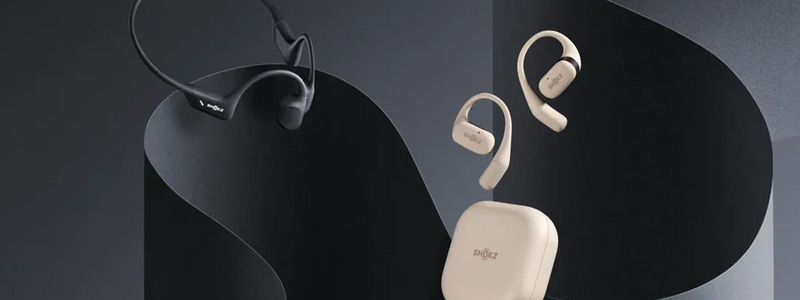
Most cleaning tasks are repetitive, so having something to keep your mind lightly engaged helps the time pass faster and keeps your energy steady. Playing music or a podcast through wireless headphones works especially well during longer routines. Open-ear models, like the Shokz OpenDots ONE, let you enjoy audio while still hearing timers, doorbells, or people calling from another room, making them practical for everyday cleaning without feeling isolating. If you have never used this style of headphone before, taking a moment to understand exactly what are clip-on earbuds and learning how to choose clip-on earbuds can help you find the perfect companion for your daily chores.

Key Features That Fit Everyday Home Cleaning
-
Open ear audio with balanced sound: Bassphere™ Technology with DirectPitch™ and Dolby Audio delivers clear, full sound without sealing off your ears. You can enjoy music or podcasts while still hearing timers, doorbells, or family members as you move around the house.
-
Comfortable, stable fit for constant movement: Shokz open ear headphones feature an ultra-light design, a flexible nickel-titanium plate, and a soft silicone grip, staying secure even when bending, reaching, or walking between rooms, so you don’t need to readjust them mid-clean.
-
Battery life that matches real routines: Up to 10 hours of use on a single charge, with extended playtime using the case, means your wireless headphones keep up with daily cleaning, errands, and downtime without frequent recharging.
FAQ
1. Can Cleaning Damage My Carpet Fibers or Cause Color Fading?
It can, if you’re not careful. Using strong cleaners, too much water, or scrubbing the same area over and over can wear down carpet fibers and make colours look dull or patchy. Stick to products meant for your carpet type, test them in a hidden spot first, and avoid deep cleaning high traffic areas more often than necessary.
2. What Are the Essential Tools I Need for Everyday Cleaning?
Most everyday chores only require a few basics. Microfiber cloths, a multi surface cleaner, a broom or vacuum, a mop, and a pair of gloves are usually enough. Keeping these tools easy to reach makes it much simpler to stay consistent with a daily chore list.
3. How Long Should A Typical Weekly Cleaning Session Take?
For most homes, weekly cleaning takes about 60 to 90 minutes. The exact time depends on home size and how much daily upkeep is done. When small house chores are handled throughout the week, weekly cleaning becomes faster and far less tiring.
4. What are some tips for keeping countertops organized and clean?
Try to limit what stays on your countertops. Store items you don’t use daily in cabinets or drawers. A quick wipe after cooking or food prep prevents buildup and helps surfaces stay clean without needing extra effort later.
5. Can I Use Chemical Cleaning Agents to Clean the Floor?
Yes, but only if the cleaner matches your floor material. Tile and vinyl floors can usually handle mild chemical cleaners, while hardwood and laminate require pH-neutral products to prevent warping or dulling the finish. Stone floors need specialty cleaners, as standard chemicals can damage the surface. Always check the label, dilute when instructed, and avoid using one cleaner across different floor types.
6. What Are the Best Ways to Split Household Chores?
Clear communication makes all the difference. Assign tasks based on schedules or preferences, and rotate responsibilities when needed. Using a shared list of everyday chores helps everyone stay organized, involved, and accountable.
Conclusion
A well-planned daily household chore list can make cleaning feel manageable rather than overwhelming. By distributing tasks across realistic timeframes and sharing the workload whenever possible, you prevent chores from piling up and make them easier to maintain. While cleaning or organizing, using wireless earbuds to listen to music, podcasts, or audiobooks can make repetitive tasks more enjoyable and help the time pass more quickly. Developing small habits that make cleaning more pleasant allows it to blend naturally into your daily routine. Over time, keeping your home clean no longer feels like a burden to get through, but a habit that supports comfort, calm, and a better everyday life.