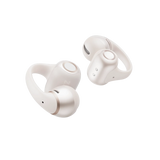
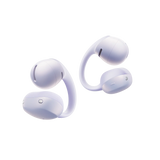
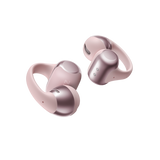
What Are Clip-On Earbuds? A Simple Guide to Open-Ear Clip-On Earbuds

Quick Guide: Not sure where to start?
-
👉 Want to know what clip-on earbuds are and how they work? Go to Section 2
-
👉 Want to know whether clip-on earbuds are right for you? Go to Section 3 (Should You Buy)
-
👉 Want to compare clip-on earbuds with other headphone types? Go to Section 4
-
👉 Want to know what features to look for when choosing clip-on earbuds? Go to Section 6
-
👉 Want to compare Shokz clip-on earbuds and find the right model for you? Go to Section 9
Introduction
Clip-on earbuds are a type of earbud designed to sit on or around the outer ear rather than being inserted into the ear canal. “Clip-on” describes how the earbuds are held in place, while “open-ear” describes how they are worn and/or how sound is delivered.
Instead of creating a traditional in-ear seal, clip-on earbuds use a clip-style structure to stay in position while the speaker sits near the ear. This leaves the ear canal open, allowing users to listen to audio while remaining more connected to surrounding sounds.
That makes clip-on earbuds different from conventional in-ear earbuds not only in how they are worn, but also in how they deliver sound.
This guide explains how clip-on earbuds work, what to consider before buying a pair, how they compare with other headphone designs, and how different Shokz clip-on open earbuds fit different listening needs.
What Are Clip-On Earbuds and How Do They Work?
Clip-on earbuds attach to the outer ear using a clip-style structure instead of sitting inside the ear canal.
The exact construction varies by product, but the basic idea is similar: the earbuds are positioned around the outer ear, while the speaker remains outside the ear canal.
Open-ear design
Because clip-on earbuds do not rely on an ear-canal seal, they leave the ear canal open.
Sound is delivered from the speaker toward the ear rather than through an inserted ear tip. This open design can make it easier to remain aware of surrounding sounds while listening.
However, open-ear audio does not mean that outside sounds will always be equally noticeable. Awareness can vary depending on the listening environment, volume, fit, and product design.
How does the clip keep the earbuds in place?
A clip-on earbud needs to balance several factors to stay in position.
These can include:
-
Clamping force: Too little force may allow the earbud to shift, while excessive force can create pressure.
-
Weight distribution: Where the weight sits can affect how the earbud feels and moves.
-
Contact points: The shape and material of the contact surfaces influence how the earbud interacts with the outer ear.
-
Movement: Running, walking, and other activities can place different forces on the earbuds.
A well-designed clip-on system therefore needs to balance stability and pressure rather than simply maximizing how tightly it grips the ear.
Should You Buy Clip-On Earbuds?
Clip-on earbuds can make sense for people who prefer an open-ear design and do not want earbuds inserted into the ear canal.
They may be worth considering if:
-
You prefer not to wear in-ear earbuds.
-
You want to listen to audio while remaining aware of your surroundings.
-
You use headphones while walking, working, exercising, or moving between different environments.
-
You prefer an outer-ear wearing style.
-
You want a design that does not depend on an ear-tip seal.
They may be less suitable if your priority is:
-
Strong passive noise isolation.
-
Maximum immersion in noisy environments.
-
A sealed in-ear listening experience.
-
Keeping audio more private in quiet shared spaces.
The key point is that clip-on earbuds are not designed to replace every type of headphone. Their main distinction is the combination of an outer-ear wearing method and an open-ear listening approach.
Clip-On Earbuds vs. Other Types of Headphones
Different headphone designs solve different problems. Comparing them by use case is often more useful than asking which design is universally better.
Clip-On Earbuds vs. In-Ear Earbuds
In-ear earbuds sit inside the ear canal and typically use an ear tip to create a seal.
Clip-on earbuds sit outside the ear canal and do not depend on that type of seal.
|
Feature |
Clip-On Earbuds |
In-Ear Earbuds |
|
Wearing position |
Outer ear |
Ear canal |
|
Ear-canal seal |
No |
Typically yes |
|
Ambient awareness |
Generally higher |
Generally lower when sealed |
|
Passive isolation |
Limited |
Typically stronger |
|
Wearing mechanism |
Clip-style structure |
Ear tip |
|
Typical use |
Open listening and awareness |
Isolation and immersive listening |
Neither design is inherently better. The better choice depends on whether the priority is open listening or isolation.
Clip-On Earbuds vs. Ear-Hook Earbuds
Both clip-on and ear-hook earbuds can be open-ear designs, but their physical support structures are different.
Ear-hook earbuds typically use a structure that extends around the back of the ear to help hold the device in place.
Clip-on earbuds use a clip-style structure positioned around the outer ear.
This difference can affect how each product interacts with the ear, glasses, headwear, and movement. Stability and comfort ultimately depend on the specific design and individual fit.
For high-motion activities, it is therefore more useful to look at the actual fit and retention design than to assume that one category will always be more stable.
The Core Trade-Offs to Consider
When choosing clip-on earbuds, several factors are worth considering.
Comfort vs. stability
A clip needs enough contact with the ear to stay in place, but too much pressure may become uncomfortable.
Look for a design that distributes contact rather than relying on a single pressure point.
Awareness vs. privacy
An open-ear design can make it easier to remain aware of surrounding sounds, but the same open construction means that sound may be more noticeable to people nearby.
Sound leakage varies with volume, fit, speaker positioning, and acoustic design.
Freedom vs. isolation
Leaving the ear canal open can be useful when awareness is important, but it does not provide the same passive isolation as a sealed in-ear design.
Lightweight design vs. stability
Lower weight can contribute to a less noticeable wearing experience, but weight alone does not determine stability. The position of the weight and the way the earbud contacts the ear also matter.
What Features Should You Look for in Clip-On Earbuds?
Beyond the clip itself, consider the following specifications and design details.
1. Fit and stability
Look at how the clip contacts the ear and whether the design is intended for your typical activities.
For exercise, consider how the earbuds behave during repeated movement rather than judging stability from a stationary fit alone.
2. Sound leakage
Because clip-on earbuds are generally open-ear devices, some sound may be audible to people nearby.
If you frequently listen in quiet offices, libraries, or other shared spaces, consider how the product performs at the volume you normally use.
3. Microphone performance
If you plan to use the earbuds for calls, meetings, or voice communication, microphone design is important.
Features such as multiple microphones and voice-processing technology can affect call performance, particularly in environments with background noise.
4. Battery life
Consider both single-charge battery life and total battery life when the charging case is included.
Quick-charge support can also be useful when the earbuds need to be used again after a short charging period.
5. Water and dust resistance
Check the specific IP rating of the earbuds rather than assuming that all clip-on earbuds have the same level of protection.
For exercise or outdoor use, the appropriate rating depends on the conditions in which the earbuds will be used.
6. Compatibility with glasses and headwear
If you regularly wear glasses, hats, helmets, or other headwear, consider how the clip structure interacts with them.
There is no universal rule that clip-on earbuds are always more compatible with glasses. The shape and position of the specific design matter.
When Are Clip-On Earbuds Useful?
Clip-on earbuds can fit a range of everyday situations.
Running and workouts
An open-ear design can be useful for exercise when awareness of surrounding sounds is important.
For higher-movement activities, fit and retention should be considered alongside sound quality.
Everyday use
Clip-on earbuds can work well for walking, household activities, commuting, and other situations where users may move between listening and interacting with their surroundings.
Office and calls
The open design can be useful when users need to hear what is happening around them while listening to audio or taking calls.
However, sound leakage and microphone performance should be considered when using them in shared spaces.
Travel
Clip-on earbuds can be useful when isolation is not the primary requirement.
For airplanes, trains, and other noisy environments, however, users who prioritize strong noise reduction may prefer a design with greater isolation.
Music-focused listening
Clip-on earbuds can provide an open listening experience, but users who prioritize maximum isolation and immersion may prefer other headphone designs.
Shokz Clip-On Open Earbuds
Shokz offers several clip-on open-ear options, including OpenDots 2, OpenDots Air, and OpenDots ONE. They share the general idea of an outer-ear clip, but each model places emphasis on different aspects of the listening experience.
OpenDots 2
OpenDots 2 is a clip-on earbud option for users who place a higher priority on audio performance, a lightweight clip-on design, and comfortable everyday wear.
Its Bassphere 2.0 and MirrorPitch technology are designed around the listening experience, while triple AI microphones support voice communication. The lightweight clip-on structure keeps the design positioned around the outer ear rather than inside the ear canal.
With up to 10 hours of listening on a charge and IP57 protection, OpenDots 2 can also suit users who want to take their clip-on earbuds from everyday listening to workouts and other active situations.
OpenDots Air
OpenDots Air focuses on a lightweight clip-on wearing experience for users who value comfort during everyday movement and longer listening sessions. At approximately 6.3 g per earbud, its lower weight can make the design feel less noticeable during activities such as walking or commuting.
It also includes Bassphere and DirectPitch technologies, dual microphones, IP55 protection, and up to 9 hours of listening. Quick charging can provide up to 2 hours of listening from 10 minutes of charging, making it a practical option for users who want lightweight open earbuds for everyday use or light exercise.
OpenDots ONE
OpenDots ONE combines an open-ear design with a broad set of features for everyday listening. Its Dolby Audio, Bassphere, and DirectPitch technologies support different listening needs, while multipoint connectivity can be useful for users who regularly move between devices.
With up to 40 hours of total battery life with the charging case and IP54 protection, it can suit people looking for a versatile option for commuting, office use, calls, and general daily listening.
Which Shokz Clip-On Earbuds Should You Choose?
The right Shokz clip-on earbuds depend on which aspects of the listening experience matter most to you.
-
If audio performance, a flagship clip-on design, and comfortable wearing are your main priorities, OpenDots 2 may be the better fit for your needs.
-
If you want a balance of features for everyday listening, including multipoint connectivity and extended total battery life, OpenDots ONE may suit your routine.
-
If lightweight wearing and everyday comfort are especially important, OpenDots Air offers a lightweight open-ear approach that can work well for walking, commuting, and light exercise.
Rather than choosing based on the clip-on form factor alone, consider how the design, audio features, battery life, and fit align with the way you actually use your earbuds.
How to Wear Clip-On Earbuds
The exact wearing position varies by model, so follow the product's instructions first.
As a general approach:
-
Position the clip around the intended part of the outer ear.
-
Make sure the speaker is aligned with the ear.
-
Check that the earbuds feel secure without excessive pressure.
-
Move your head naturally to check whether the earbuds shift.
-
Adjust the position if the speaker is not aligned properly.
If the earbuds feel uncomfortable or unstable, changing the position can sometimes help. Avoid forcing or excessively bending the clip structure.
How to Maintain Clip-On Earbuds
Because clip-on earbuds remain in contact with the outer ear, regular cleaning can help keep the contact surfaces free from sweat and oils.
Basic maintenance includes:
-
Wiping the earbuds after exercise or heavy sweating.
-
Keeping the contact areas reasonably dry.
-
Avoiding unnecessary bending or compression of the clip.
-
Storing the earbuds in their protective case when not in use.
-
Following the manufacturer's cleaning and care instructions.
Frequently Asked Questions
Do clip-on earbuds fall off easily?
Not necessarily. Stability depends on the clip design, ear shape, weight distribution, and activity.
For exercise, it is important to evaluate how the specific model fits during movement rather than assuming all clip-on earbuds behave the same way.
Are clip-on earbuds good for workouts?
They can be. The open-ear design can be useful for activities where awareness of surrounding sounds is important.
For high-movement workouts, however, fit and retention are especially important.
Do clip-on earbuds block outside noise?
Clip-on open earbuds generally do not provide the same passive isolation as sealed in-ear earbuds.
They are better suited to situations where hearing some surrounding sound is desirable than environments where strong isolation is the priority.
Do clip-on earbuds leak sound?
They can. Because the speaker is positioned outside the ear canal, some audio may be audible to people nearby.
The amount of leakage depends on factors such as volume, fit, speaker positioning, and acoustic design.
Are clip-on earbuds better than in-ear earbuds?
Neither is universally better.
Clip-on earbuds prioritize an open-ear wearing experience, while in-ear earbuds generally provide greater isolation through an ear-canal seal.
The right choice depends on whether the priority is awareness and an open fit or isolation and immersion.
Final Takeaway
Clip-on earbuds are best understood as a wearing and listening approach built around an outer-ear clip and an open-ear design.
They can be a practical option for people who prefer not to insert earbuds into the ear canal or who want to stay more connected to their surroundings while listening.
At the same time, the category comes with trade-offs. Open-ear designs generally provide less isolation, and clip-on stability and comfort depend heavily on the specific construction and individual fit.
When comparing clip-on earbuds, look beyond the category name. Consider fit, stability, sound leakage, microphone performance, battery life, protection rating, and how the earbuds fit into your normal activities.
For Shokz models such as OpenDots 2, OpenDots ONE, and OpenDots Air, the most useful approach is to match their features with your priorities, whether that means audio performance, a versatile everyday feature set, or a lightweight and comfortable open ear headphones experience.