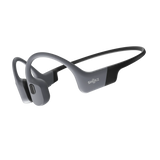
What Does IP55 Mean? A Plain-English Guide to This Rating

IP55 meaning is straightforward: it’s a protection rating that indicates a device has protection against limited dust entry and water jets from any direction under specified test conditions. It does not include a rating for immersion in water.
If you’ve spotted IP55 on a headphone spec sheet, you’re probably asking a practical question: what does that mean for sweat, rain, or an accidental splash? IP ratings help define the types of dust and water exposure a product has been tested to resist, while real-world use still depends on how and where the device is used.
IP55 Meaning: Decoding the Two Digits
IP stands for Ingress Protection. “Ingress” refers to unwanted material getting inside a product, such as dust or water. The two digits that follow indicate the level of protection against solids and water.
The first digit refers to protection against solid foreign objects, including dust. The scale runs from 0 to 6. In IP55, the first 5 means the enclosure is dust-protected: some dust may enter, but not in a quantity that would interfere with normal operation under the specified test conditions.
For headphones used outdoors, at the gym, or during a commute, this provides a useful level of protection against everyday dust exposure. It does not mean the device is completely sealed against dust.
The second digit refers to water protection. The scale runs from 0 to 9K, covering different types and levels of water exposure. In IP55, the second 5 means the device is protected against water jets from any direction under specified test conditions.
What it does not mean is underwater protection. IP55 includes a water-jet test, but it does not include an immersion rating. So rain, sweat, or an occasional splash may be relevant practical examples, but IP55 should not be treated as a rating for being dropped in a pool, dunked in a tub, or worn underwater.
A simple way to think about it: IP55 is designed around protection from dust and water exposure covered by its specified tests. It does not make a product suitable for immersion.
What IP55 Actually Protects Against: Sweat, Rain, and Splashes
The Good: Everyday Conditions It Handles
For everyday use, IP55 can be relevant to situations such as workouts, exposure to rain, outdoor dust, and occasional splashes. These are practical examples of the kinds of environments where a water- and dust-resistant device may be useful, but they should not be confused with the specific conditions used for IP testing.
That makes IP55 relevant for open-ear sports headphones and daily-wear audio gear. During a workout, for example, the rating provides protection against water exposure within its specified test conditions. During an outdoor walk or run, it also provides protection against dust and water jets as defined by the rating.
The protection comes from the product's enclosure and other design elements that help limit the entry of dust and water during testing. The IP rating describes the protection demonstrated under those conditions; it does not guarantee protection against every type of real-world exposure.
For a runner or gym user, that means IP55 can be relevant when sweat or moisture comes into contact with the outside of the device. For outdoor use, it can also be relevant when dust or rain is part of the environment.
The Bad: Where IP55 Falls Short
IP55 does not include an immersion rating. It does not mean a product is rated for swimming or showering.
Submersion is a different type of exposure. A product that passes IP55 testing has demonstrated protection against water jets under specified conditions, but it has not been given a separate immersion rating through that test.
Sweat also deserves some practical context. Sweat contains salts and other substances, and repeated exposure can be different from a short water exposure. Individual use conditions vary, so an IP rating should not be treated as a guarantee that a device will remain unaffected by every workout or environment.
If you regularly train in wet conditions or need headphones for swimming, look for a product with a water-protection rating that includes immersion. OpenSwim Pro is designed with swimming in mind, featuring an IP68 rating and MP3 mode for underwater listening. Under controlled laboratory conditions, it can be submerged in up to 2 meters of fresh water.
IP55 vs. Other Ratings: IPX7, IP67, and IP68
Here’s the quickest way to compare the ratings most people see while shopping:
|
Rating |
Dust Protection |
Water Protection |
What It Means in Real Use |
|
IP55 |
Dust-protected |
Protected against water jets from any direction under specified test conditions |
Relevant to everyday exposure to dust and water, depending on the conditions |
|
IPX7 |
No dust-protection rating stated |
Protected against temporary immersion under specified test conditions |
Provides a specified immersion rating, but no published dust-protection rating |
|
IP67 |
Dust-tight |
Protected against temporary immersion under specified test conditions |
Combines a dust-tight rating with a specified immersion rating |
|
IP68 |
Dust-tight |
Protected against immersion under stated test conditions |
Provides a higher-level immersion rating, with the exact conditions defined by the applicable specification |
The X in IPX7 matters. It does not mean “the same as 7 for everything.” It means no rating has been stated for protection against solid foreign objects in that position. A device can therefore have a specified water rating while providing no published dust-protection rating.
That’s why the digits should be read independently. A higher water number does not automatically mean a higher dust-protection number. IPX7 includes a specified immersion rating that IP55 does not, while IP55 provides a stated dust-protection rating that IPX7 does not.
Use case makes the comparison clearer. For headphones used during workouts, outdoor walks, runs, or everyday commuting, IP55 may provide the type of protection you need depending on the environment. If temporary submersion is an important consideration, IPX7 or IP67 provides an immersion rating that IP55 does not. For swimming, look for a product specifically designed for water use and check its stated immersion conditions rather than treating IP68 alone as a universal swimming guarantee.
Is IP55 Enough for Your Activity?
Running, Gym, and Rain: Where IP55 Works Well
Running: IP55 can be relevant for road running and trail running where sweat, outdoor dust, or exposure to rain are part of the environment. The rating itself does not certify a headphone for running; it describes its tested resistance to dust and water.
Gym workouts: IP55 can be useful for workouts where sweat and occasional moisture are expected. It does not mean the device is sweatproof under every condition, so product care still matters.
Walking in rain: IP55 can be relevant when a device is exposed to rain, but the rating should not be translated into a specific level of rainfall or duration of exposure. It is based on specified water-jet testing rather than a rain-duration test.
Daily commuting: IP55 can provide useful protection when commuting involves ordinary outdoor dust and moisture. The actual level of exposure still matters.
Swimming or Heavy Submersion: Where You Need More
Swimming: No. IP55 does not include an immersion rating and is not a swimming rating.
Showering: IP55 does not provide a shower-use rating. Sustained direct water exposure is different from the water-jet protection specified by the rating.
Accidental dunking: IP55 is not a rating you should rely on for submersion. A device may survive an accidental incident, but an isolated outcome does not add an immersion rating to the product.
Keeping Your IP55 Rating Intact
Water resistance is not a permanent guarantee. A product's original level of protection can be affected by physical wear and changes to its condition over time.
Start with the obvious one: keep charging areas dry. If a charging port, connector, or contact point is wet after a workout, follow the manufacturer's instructions before charging the device. Product-specific charging and care guidance should take priority over general assumptions about an IP rating.
After exercise, wipe off sweat rather than leaving moisture and residue on the device for extended periods. Regular cleaning and care can help keep the product in good condition, but follow the manufacturer's instructions for the appropriate cleaning method.
Avoid testing the rating yourself. Don't rinse IP55 headphones under a faucet simply because they handled rain before. Don't wear them in the shower. IP ratings are based on controlled testing and should not be interpreted as covering every form of real-world water exposure.
Physical wear matters too. Drops, repeated movement, or general wear may affect the condition of the enclosure over time. As a result, the original level of protection may not remain unchanged throughout the product's life. If you have questions about water or dust resistance after extended use, check the manufacturer's care guidance or contact support.
One final point: the IP rating describes the product's tested level of protection, while warranty coverage for water-related damage can be subject to separate terms. Check the manufacturer's warranty terms for product-specific information. IP55 is a useful indication of tested resistance, not a blanket promise against every moisture-related failure.
The Bottom Line on IP55 Meaning
So, what does IP55 meaning really come down to?
It means a device has a defined level of dust protection and protection against water jets from any direction under specified test conditions. It does not include an immersion rating.
For runners, gym users, commuters, and outdoor users, IP55 can be relevant to everyday exposure to sweat, rain, moisture, and dust. For swimming or other situations involving submersion, look for a product with a specified immersion rating and check the stated test conditions.