How to Know Whether Low-Pressure Listening Earbuds Are Right for You

Open-ear and lightweight earbuds are taking off because we’re simply wearing them longer. What used to just cover a commute or workout now stretches through work calls, errands, and evening binge-watching. Naturally, our patience for sore, plugged-up ears is wearing thin.
People aren't just shopping for sound quality or battery life anymore—they want relief from ear fatigue and that weird pressurized feeling. This is driving the shift toward low-pressure or open-ear options.
So, are low-pressure earbuds right for you? It really comes down to what's bothering your ears, how long you listen, and the daily trade-offs you're willing to make.
What Should Pressure-Sensitive Listeners Know?
Many people exploring open-ear audio actually love how their traditional earbuds sound—they’re just tired of how they feel. It's easy to appreciate the immersive acoustics of a tight seal, yet still dread the lingering soreness and plugged-up sensation that follows a long day.
Once that physical fatigue sets in, the difference in everyday comfort between traditional and open-ear designs becomes night and day.
When Regular Earbuds Become Too Much
Traditional earbuds are usually fine for a quick commute. But as we wear them for hours of calls and playlists, that snug seal often leads to soreness, fatigue, or a plugged-up feeling.
The issue isn't about finding the right ear tip size anymore; it's the constant pressure in the ear canal. Even Active Noise Canceling (ANC) can sometimes make that blocked-in sensation feel worse.
When people stop looking for just "better sound" and start wanting physical relief, they naturally gravitate toward designs that simply let their ears breathe.
Why Open-Ear Architecture Helps Reduce the Pressure Mechanism
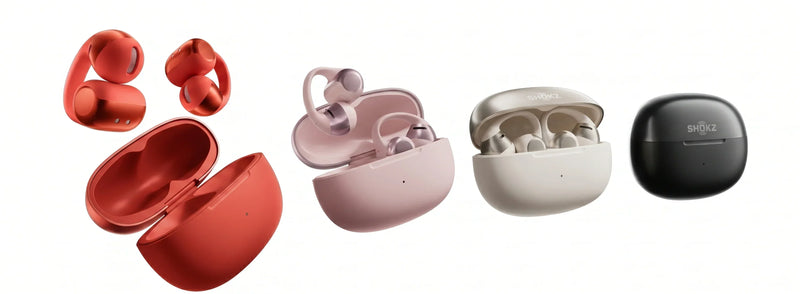
Open-ear gear takes a distinct approach by keeping the ear canal largely unblocked. Rather than inserting a tip inside, these devices generally rest just outside or around the ear.
For pressure-sensitive listeners, minimizing that acoustic seal is often what makes a noticeable difference. Bypassing the tight seal can help relieve a primary trigger for that heavy, compressed sensation.
As one Reddit user aptly described it, “It doesn’t block your ear canal, so your ears can breathe.”
Because your ears remain relatively unobstructed, this style naturally fits into many daily routines. It can be especially practical if you’re logging 4-to-8-hour desk shifts, running outdoors and needing to hear traffic, or if you've simply decided that prioritizing physical ear comfort outweighs full noise isolation.
What “Low-Pressure Listening” Actually Means (and What It Doesn’t)
Calling an earbud "low-pressure" is a helpful shorthand, but it's easy to mistake that for a guarantee of total comfort. The reality is that "pressure-free" in the ear canal doesn't automatically mean "pain-free" everywhere else.
The Difference Between Canal Pressure and Frame Contact Pressure
Switching to open-ear audio often means relocating pressure rather than eliminating it. Listeners frequently trade the internal cabin pressure of a sealed tip for external contact fatigue where the frame rests against the ear.
Your past discomfort patterns are usually the best guide to predicting a good fit:
|
Discomfort Trigger |
What It Usually Feels Like |
The Best Hardware Match |
|
Internal Canal Pressure |
A stuffed-up sensation, inner-ear aching, or amplified thudding. |
Open-ear designs frequently offer noticeable physical relief. |
|
External Frame Contact |
Tender cartilage or a pinching feeling behind the ear. |
Pay close attention to clamp force, flexibility, and weight distribution. |
Comfort is always personal. Many people can wear lightweight ear hooks all day and forget they’re even there, while others might feel a slight pinch on the outside of their ear after a while. Freeing your ear canal shouldn't mean trading one discomfort for another—which is why finding a design that fits your specific ear shape is key.
What Open-Ear Design Cannot Fix
While unblocking the ear canal brings massive relief for a lot of listeners, open-ear architecture isn't a universal cure-all.
If you already struggle with wearing thick-framed glasses, or frequently notice soreness from things resting behind your ears, certain over-the-ear or bone-conduction frames might eventually trigger that familiar outer-ear fatigue.
The technology inside the earbud plays a big role, too. If open-ear earbuds feature ANC, turning it on can sometimes recreate a similar "head vacuum" feeling. Sensitivity to sound-cancellation often persists, even with an open fit. A common workaround is simply leaving ANC off—a practical move that typically relieves the pressure while extending battery life.
The Comfort–Sound Quality Trade-Off You Need to Understand Before Buying
This is the central trade-off, and it’s better to be honest about it. Open-ear designs usually win on long-session comfort and awareness. Sealed earbuds usually win on passive isolation, bass weight, and the sense of immersion.
When Comfort Is the Non-Negotiable Priority
For people who sleep in their earbuds, log full workdays, or deal with chronic in-ear sensitivity, physical relief has to come first. Ditching the seal does sacrifice some low-end impact and exposes calls to background noise. However, trading that heavy bass for a breathable fit is invaluable when it extends your tolerance from a painful 20 minutes to a comfortable six hours.
When Sound Quality Justifies Accepting Minor Discomfort
Chasing richer acoustics can naturally justify a slightly snugger fit, especially during focused, shorter listening sessions. Open-ear designs sometimes hit a volume ceiling in mixed environments, making them better suited for playing softer genres in quiet rooms. When you need real bass weight and passive isolation, accepting the minor physical pressure of a sealed model is often a completely practical compromise.
Scenario-Based Fit: Which Use Case Matches Your Situation
Matching the design to your daily habits often makes the choice clearer. Here is how low-pressure audio tends to perform across common real-world scenarios.
|
Your Routine |
Why Open-Ear Tends to Work |
The Catch & Practical Notes |
|
All-Day Desk Work (4–8 Hours) |
Helps reduce the trapped, blocked-up feeling. You can usually hear coworkers, doorbells, or your own voice on calls more naturally without removing them. |
Check the ANC settings. If your model features sound cancellation, keeping it active can sometimes trigger a similar pressure to standard earbuds. |
|
Outdoor Runs & Workouts |
Lessens movement-related canal friction and tends to provide helpful situational awareness for hearing traffic and your surroundings. |
External noise competition. In loud gyms or busy streets, ambient sound can frequently mask the low-end bass and finer audio details. |
|
Sleeping or Resting |
Eases the inner-ear aching that often occurs when standard earbuds are pressed further into the canal by a pillow. |
Frame design matters immensely. A frame that feels unnoticeable while upright might press against your ear cartilage when lying down; a minimal footprint is usually preferred. |
Final Decision Logic: Is a Low-Pressure Listening Earbud Right for You?
Balancing these daily scenarios shows that low-pressure audio is rarely a universal upgrade, but rather a targeted lifestyle choice. Making the final call often comes down to isolating exactly where your current discomfort originates and which compromises feel acceptable in your routine:
If you feel pain or pressure within 30 minutes of wearing sealed earbuds → Open-ear is likely the right category for you
This is typically a strong indicator. If the discomfort is quick and consistent with sealed earbuds, open-ear designs help alleviate the primary physical strain simply by bypassing canal insertion and seal pressure.
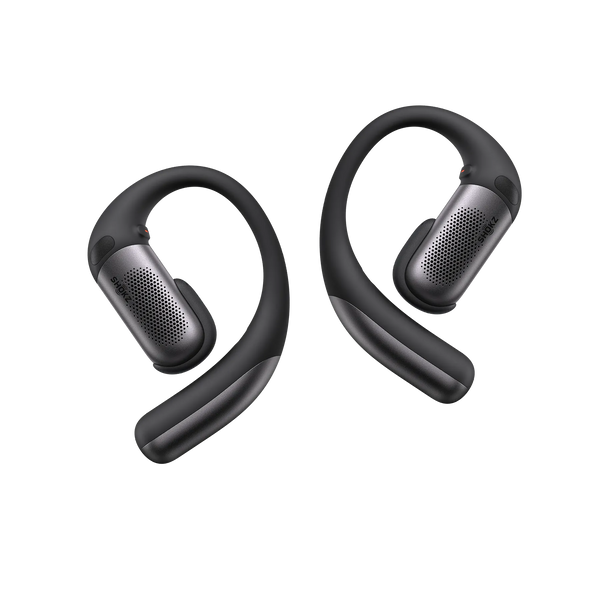
Models like the Shokz OpenFit Pro feature a flexible titanium alloy hook wrapped in liquid silicone that naturally contours to your ear, offering a secure, barely-there fit. Meanwhile, DirectPitch™ technology delivers audio without physical plugs, keeping canals breathable during extended listening.
If you need noise reduction but hate ANC pressure → Explore open-ear noise reduction before buying.
Traditional ANC isn't the only option. Advanced open-ear models intelligently filter background noise without the uncomfortable vacuum sensation.
If you prioritize absolute sound isolation and deep bass → Open-ear offers a different, complementary experience.
While open-ear designs excel in clarity and deliver a naturally wide soundstage, they intentionally let the outside world in. If you crave total acoustic immersion, closed-back headphones might remain your go-to for deep listening. However, for active routines, multitasking, or extended, breathable comfort, open-ear gear serves as your perfect complementary pair.
If you need all-day or sleep-time wear ability → Prioritize frame design over feature set
This is a strong yes, with one condition: focus on the physical shape first. For true all-day or sleep-adjacent use, the remaining comfort variable is no longer canal pressure. It’s where the frame touches your ear, how stable it feels, and whether those contact points disappear or slowly build into fatigue.
Conclusion
Figuring out if low-pressure listening is right for you really comes down to a quick mental check. Instead of pushing through inner-ear fatigue or fighting with tight silicone tips, just notice where the tension builds during your next shift or jog. If the strain is sitting inside your ear canal, the natural solution to dropping that pressure is stepping into an open-ear design. The payoff is a much lighter daily routine—giving you the freedom to power through back-to-back meetings, stay aware during outdoor runs, and finally finish your playlists with far less of that familiar end-of-day soreness.