How to Tell Break-In Discomfort from A Bad Fit in Bone Conduction Headphones

So you finally bought a pair of bone conduction headphones, but instead of total comfort, you’re dealing with a lingering ache along your cheekbones or jaw. It’s incredibly frustrating when new tech hurts. Is your face just adapting to the new design, or did you end up with a bad fit that won't get better?
Typically, mild, symmetrical pressure means a normal break-in phase, while persistent, one-sided pain points to a structural mismatch. Let’s break down how to tell the difference so you can find relief.
What Normal Pressure Actually Feels Like with Bone Conduction Headphones
Normal break-in soreness typically feels like a dull, manageable pressure right where the pads rest. This sensation is usually symmetrical on both sides of your face and fades quickly once you take the headset off. If it doesn't feel sharp, stabbing, or hot, you're likely experiencing normal adaptation.
Where You'll Feel It: Transducer Contact and Cheekbone Adaptation
Because these headphones sit against bone rather than inside your ear, your face has to get used to carrying audio signals. This initial sensitivity usually centers around the front cheekbones or temples and tends to fade within 5 to 7 sessions. It’s incredibly common for first-time users to feel like the headset is "weird for the first few runs," but that unfamiliar buzzing pressure stops being noticeable as you get used to it. However, if the discomfort drifts down to your jaw angle or feels oddly off-center, the fit is likely wrong.
The First 10 Days: Your Tissue Adaptation Timeline
The thin skin and soft tissue over your bones need regular exposure to adapt. If you wear the headset consistently, this adjustment window typically wraps up within roughly 3 to 10 days. Wearing them only once a week will drag the process out. The most telling clue here is steady, minor progress: if the tenderness improves even slightly every few sessions, you're just breaking them in. If it remains highly irritating after about a week or so, it’s time to evaluate the frame shape.
Managing the "Buzz": How Your Brain Adjusts to Vibration
It is completely normal to experience a high-frequency tickle or facial buzzing at moderate to high volumes. Over time, your brain becomes better at interpreting this vibroacoustic input as pure sound rather than a physical touch, making the sensation fade into the background. To test this, simply lower the volume. If the tingling subsides and becomes easier to ignore across a few sessions, your nervous system is successfully adapting. Immediate, localized pain at low volumes points toward a true fit defect.
Red Flags That Signal a Genuine Fit Problem in Bone Conduction Headphones
A genuine fit issue creates specific, repeatable pain that stubbornly resists improvement. Unlike a broad "getting used to it" feeling, these red flags indicate a structural mismatch that patience alone won't fix.
Symmetrical Comfort Mismatch: Why One-Sided Pain in Bone Conduction Headphones Means Trouble
Normal break-in soreness typically affects both sides evenly because both transducers apply equal force. If only one side hurts after your third or fourth session, the frame is likely torqued, or your head shape doesn't match the clamping profile. This minor asymmetry becomes incredibly distracting during walking or head turns, leading many users to note that "one side completely disappears, while the other side nags me the whole time." If one transducer consistently rests on soft tissue instead of bone, it's a fit defect.
Tracking Persistent Tension: How Headaches from Bone Conduction Headphones Signal a Bad Fit
Headaches that persist beyond 10 sessions are a clear warning sign. Occipital pressure at the back of the head or intense squeezing near the temples usually indicates a structural mismatch rather than temporary fatigue. Pay attention if taking the headset off provides instant, profound relief—this means the frame is overloading the exact same pressure points every time. While you might tolerate this during a quick workout, it quickly becomes unbearable during long work calls or commutes.
Chafing vs. Aching: Identifying Skin Redness from Bone Conduction Headphones
It helps to separate deep pressure fatigue from surface friction. A diffuse, dull ache is consistent with a normal vibroacoustic load, but defined redness or hot spots mean the headset is shifting and rubbing against your skin. This chafing is often worsened by sweat, sunscreen, or glasses arms disrupting how the transducer sits. Don't assume a sharp, red outline will simply "break in"—friction injuries usually intensify the longer they are ignored.
The Physics of Fit: Why Frame Geometry Dictates Comfort in Bone Conduction Headphones
Comfort isn't random. It depends entirely on how an audio frame distributes clamping force across your unique skull shape. Understanding this basic geometry can turn blind guesswork into simple, effective adjustments.
The Clamping Squeeze: Managing Titanium Band Tension on Bone Conduction Headphones
Most models feature a titanium wire core to balance flexibility with shape memory. However, if the band is slightly too narrow for your skull, that continuous pressure accumulates. This explains a common user grievance: "The headset felt great for 30 minutes, then the pressure started building." This gradual discomfort stems from structural clamping force rather than a defect in the hardware.
Targeting the Zygomatic Arch: Finding the Sweet Spot for Bone Conduction Headphones
For ideal sound conduction, the pads should rest squarely on the zygomatic arch (your cheekbone). Sliding too far forward pushes pressure into your sensitive temples, while drifting too far back shifts the load onto your jaw, creating a bruised sensation. If shifting your bone conduction headphones slightly alters where it aches, your issue is placement geometry, not the model itself.
The Accessory Stacking Problem: Wearing Gear with Bone Conduction Headphones
Sunglasses, helmet straps, and hats create layered contact points that amplify clamping force. Many users test their headsets indoors without gear, only to experience painful hot spots during actual outdoor use. A practical workaround shared by runners and cyclists is to change your donning order—putting your headphones on before your glasses or helmet can significantly flatten the pressure map.
Scenario-Based Diagnosis: Testing Bone Conduction Headphones in High-Demand Situations
Discomfort patterns often become much clearer when evaluated within your actual daily routine. A headset that feels completely weightless during a casual 10-minute trial can easily start to ache during a marathon or a long afternoon of virtual meetings.
To help you pinpoint exactly what you are feeling, the table below breaks down the differences between normal physical fatigue and a true structural mismatch across three high-demand scenarios.
|
Use Case / Scenario |
Signs of Normal Adaptation / Fatigue |
Signs of a Genuine Fit Issue |
|
Endurance Running (Repetitive vertical impact) |
Broad soreness that shifts slightly backward during a run and fades entirely on rest days. |
Sharp pain that starts early in the workout and stays pinned to one exact spot or transducer edge. |
|
Cycling with a Helmet (Helmet retention interference) |
Mild pressure that only appears when the helmet's rear cradle pushes the frame upward (stack pressure). |
Intense jaw soreness or temple pinching caused by the helmet permanently forcing the frame into an awkward angle. |
|
Extended Hybrid Work (Cumulative static load) |
Deep pressure around the 4-hour mark is completely reset by taking a quick 5-minute break. |
Throbbing discomfort that returns instantly after a break and grows progressively worse every single day. |
Looking closely at your specific use case is often the fastest way to stop second-guessing your purchase. If your symptoms align with the "Normal Adaptation" column, a few minor tweaks to your environment or routine will likely clear up the issue. However, if your experience matches the "Genuine Fit Issue" column, the frame profile is simply a mismatch for your head shape.
Advanced Fit Calibration Techniques for Bone Conduction Headphones
Before throwing in the towel, try a few manual calibration tweaks. Small changes in pressure distribution can dramatically improve your comfort without compromising audio quality.
Widen the Rear Arc: Testing Titanium Band Tension on Bone Conduction Headphones
If the headset feels uniformly tight, you're fighting the frame's built-in clamping force. Because these bands use titanium shape-memory alloy, they typically won't permanently stretch out. Try a gentle, two-handed outward flex as a diagnostic test. If pulling the frame 2 to 3 mm off your face brings instant relief, the band is simply too narrow for your skull width. Since memory metal always snaps back, it's wiser to exchange the headset for a better size rather than waiting for it to loosen.
Rotate the Ear Hooks: Shifting the Contact Angle of Bone Conduction Headphones
Tilting the ear hooks forward or backward by just 5 degrees can instantly shift the contact pads from squishy soft tissue onto a more supportive bone surface. Users who complain that a headset feels like it is "pressing into the wrong place" often find relief here. Test this placement geometry during a short listening session rather than a long workout to see if the ache relocates or vanishes.
Change Your Donning Order: Layering Gear with Bone Conduction Headphones
When mixing your headset with sunglasses or a helmet, always put the headphones on first. The rear arc needs to sit safely below your helmet’s retention ring so it doesn't get pushed upward into a high-tension zone. Many users feel an immediate sense of relief discovering their pain was just a layering issue rather than a failed purchase. If your discomfort only triggers when geared up, test your gear order before giving up.
When to Stop Waiting and Seek a Sizing or Model Reassessment for Bone Conduction Headphones
Patience is helpful during a break-in phase, but pushing through persistent pain will only ruin your experience. If your body refuses to adapt, it's time to stop waiting and make a logical change.
A Reasonable Benchmark: When to Stop Breaking In Headphones
If discomfort persists well past the first couple of weeks of regular wear, it often suggests a fit mismatch rather than a standard adjustment period. Most users notice a gradual improvement within the first two weeks. If your symptoms remain unchanged or worsen, the frame's pressure profile may simply not suit your anatomy. Using this two-week mark as a general rule of thumb helps you decide whether to stick with them or explore other options.
Building Your Case: Logging Pain Points Before Returning Bone Conduction Headphones
Before requesting an exchange, keep a brief log of your listening sessions. Documenting specific patterns helps separate emotional frustration from clear evidence, making customer support conversations completely seamless.
Your log should note:
-
Session length and activity type
-
Pain location and intensity rating (1 to 10)
-
Layered gear worn (glasses, helmet, cap)
-
Whether minor repositioning offered relief
Telling customer support that "after 45 minutes, the left temple pressure reaches a 6 out of 10, especially when wearing glasses" is far more actionable than simply saying "it just hurts."
Frame Swaps: Switching to Clip-On Styles of Open Ear Headphones
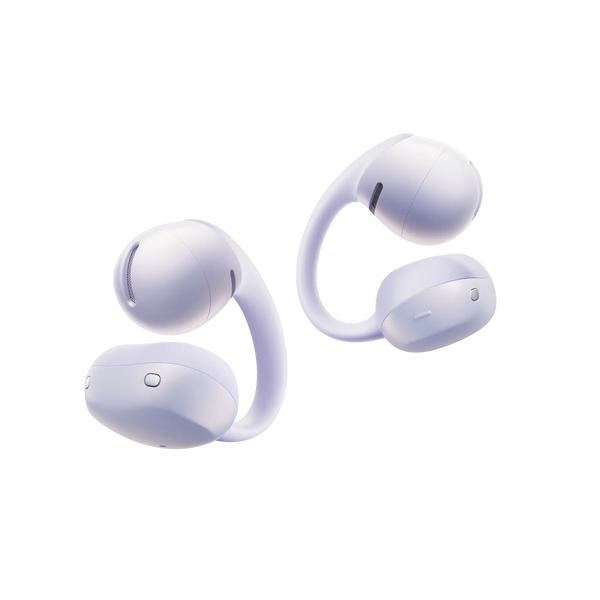
If rear-band tension or continuous static clamping is your main challenge, an alternative form factor may be the answer. While wraparound bands often provide excellent stability for vigorous movement, open-ear clip styles feature independent earbuds that bypass back-of-the-head pressure points.
For instance, the Shokz OpenDots Air features a lightweight, 6.3g clip-on design. Its flexible JointArc structure provides a highly breathable, balanced feel that helps reduce contact tension during extended wear. Many users who struggled with traditional bands found clip-on formats "much easier to forget I was wearing." Comfort usually depends largely on personal geometry, rather than product hype.
Final Takeaway
Normal break-in soreness in bone conduction headphones should be mild, fairly even, and clearly improving over the initial break-in period. A bad fit is more likely if the pain is one-sided, creates headaches, causes friction marks, or persists well past the initial few weeks without improvement.
If you feel uncertain, that’s completely normal. The experience can be unfamiliar at first, and not every pressure sensation means something is wrong. But you also do not need to talk yourself into tolerating a poor fit. Use the discomfort pattern, timing, and location as your guide. When the signs point to fit failure, making an adjustment or changing form factor is often the most comfortable and confident next step.
For those exploring a different fit, the OpenRun Air 2 comfortable bone conduction running headphone is another option to consider when comfort is part of the decision.