Can I Wear Shokz Open Ear Headphones in the Rain?

About to Head Out and Unsure Whether Rain Will Damage Your Headphones?
Most people don’t search can I wear Shokz open ear headphones in the rain until the question becomes immediate. Shoes on. Forecast checked. Rain outside. One last pause before heading out.
That question has become more common as open-ear audio has moved from occasional workout gear to an everyday option for runs, walks, and commutes. Once headphones become part of that routine, water resistance stops feeling like a minor specification. It becomes a practical consideration.
The short answer: many Shokz models can handle light rain and sweaty outdoor use, but not every type of rain exposure is the same. A passing drizzle is one situation. A long run in steady rain is another. A heavy downpour, or any situation where water remains on the device, calls for more caution.
Can I Wear Headphones in Light Rain, Steady Rain, or a Downpour?
For light rain, many models designed for sweat and splashes may be suitable for typical outdoor use. With steady rain, the answer depends more on the specific model and how long you plan to stay outside. Heavy rain or downpours deserve greater caution, particularly with headphones designed primarily for workouts rather than prolonged water exposure.
That makes the next question more useful than simply asking whether rain is safe: what model do I actually have, and what water-resistance rating does it carry?
Why Prolonged Exposure Matters More Than a Few Drops
Most people aren’t concerned about one or two drops. The bigger concern is what happens when rain continues to hit the headset for 30, 45, or 60 minutes, or when moisture starts collecting around seams, controls, or charging areas.
Water-resistance ratings are based on specific test conditions. Everyday use can involve movement, sweat, heat, repeated exposure, and lingering moisture after a workout. A rating therefore provides useful guidance, but it should not be treated as a guarantee for every real-world situation.
When Sweat Resistance Becomes Harder to Interpret in Rain
Sweat resistance can sound reassuring until rain becomes part of the equation. Sweat comes from your body and varies with activity. Rain can be continuous, directional, and difficult to predict.
That is why checking the IP rating is more useful than relying on general descriptions such as sweat resistance. It gives you a clearer starting point for judging whether your usual outdoor conditions fit the device.
What Do IP Ratings Mean for Rain?
Once the weather question becomes more specific, the next step is to check the IP rating and consider it alongside the conditions you expect to encounter.
What IP55, IP67, and IP68 Mean in Practical Conditions
In practical terms, IP55 generally indicates a level of protection suited to sweat, splashes, and lighter water exposure. For runners and commuters who occasionally encounter rain, that may be appropriate for their routine.
IP67 indicates a higher level of water protection and can provide more reassurance when exposure becomes more demanding. IP68 goes further and becomes particularly relevant when the use case involves substantially more water exposure than a typical run or commute.
The important point is that an IP rating describes a level of protection under defined conditions. It does not mean a device is automatically suitable for every wet environment.
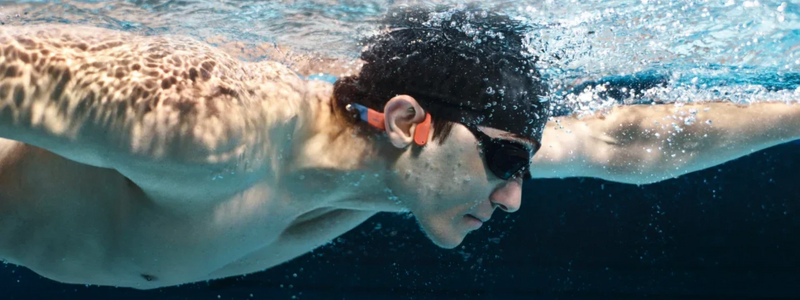
This is also where different product categories start to make more sense. Models such as OpenRun and OpenRun Pro 2 may be considered for outdoor training, while OpenSwim Pro is designed around a much more water-heavy use case.
Why Rain Resistance Is Not the Same as Shower Use or Submersion
This is one of the easiest distinctions to overlook. Rain resistance does not automatically mean shower-safe, and it does not mean every model is suitable for submersion.
A shower creates sustained, close-range water exposure. Submersion introduces a different type of water exposure altogether. So even when headphones are designed to handle rain, they should not automatically be treated like swimming headphones.
For people whose routines regularly involve much more water than outdoor rain, a product designed for that level of exposure may be a better match. OpenSwim Pro is intended for higher water-exposure use rather than ordinary rain alone.
The Practical Step: Check Your Exact Model
At this point, the broad question becomes much easier to answer. Water resistance varies across models, so the name of the headset you own matters more than a general statement about the brand.
Check the exact model and its official water-resistance rating before deciding what kind of weather exposure makes sense.
Which Shokz Headphones Make Sense for Rain?
Once you know the model, the decision becomes more practical: does its level of water protection match the way you actually use it?
Models for Light Rain and Everyday Workouts
For many runners and commuters, headphones designed around sweat and splash resistance may be sufficient for light rain, moderate workouts, and normal outdoor exposure.
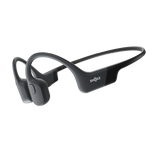
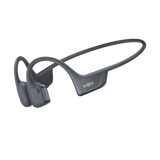
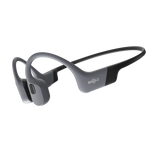
Models such as OpenRun or OpenRun Pro 2 may fit this type of routine. That does not make them suitable for every weather condition. It simply means occasional rain can be considered alongside the model's intended level of water protection.
When Higher Water Protection Makes More Sense
The decision changes when your routine regularly involves heavier rain, substantial sweat, or other high-water exposure. At that point, the question is no longer simply whether a workout headset can get through a wet run. It becomes whether a model designed for greater water exposure is a better match for your routine.
That is where OpenSwim Pro can be relevant for people whose use extends beyond ordinary outdoor workouts and into swimming or other water-heavy activities.
The useful distinction is not that one category is universally better than another. It is that different levels of water protection are designed to suit different routines.
Match the Water Rating to Your Routine
Instead of asking whether rain is universally safe, consider how often and how intensely you encounter it:
-
Occasional light rain: a model designed for sweat and splash exposure may fit the routine.
-
Frequent or prolonged rain: pay closer attention to the exact model and IP rating.
-
Heavy water exposure or swimming: consider headphones specifically designed for substantially greater water exposure.
This makes the product decision more straightforward without treating an IP rating as a guarantee of real-world performance.
When Rain Becomes a Bigger Concern for Open Ear Headphones
Water resistance can reduce vulnerability to moisture, but it does not remove the practical limits of a device.
Heavy Downpours, Pooling Water, and Extended Exposure
A brief shower passing through is different from staying outside in heavy rain for an extended period. Prolonged exposure keeps the headset wet for longer, especially when water has a chance to collect rather than simply run off.
Wind-driven rain, repeated soaking, and water pooling during pauses can all create more demanding conditions than a short period of light rain.
When heavy rain is a regular part of your routine, the specific water-resistance rating becomes increasingly important.
Wet Charging Ports and Why Drying Time Matters
Some avoidable problems can happen after the workout rather than during it.
Even when the headset handles the weather without an obvious issue, charging while moisture is still present can create problems. Give the charging area time to dry fully before connecting a cable.
It is a simple habit, but an important one. Wiping the headphones down and immediately charging them is different from giving them enough time to dry.
Sweat, Humidity, and Heat Can Add More Moisture
Rain is not the only source of moisture. Intense sweat, humid air, and heat-heavy routines can also leave moisture around the headset for longer than expected.
In some situations, accumulated moisture can temporarily affect how the headphones sound. Wiping away surface moisture and allowing the device to dry can help when the change is temporary.
If the same issue happens repeatedly during your usual workouts, it may be worth reconsidering whether your current model's water protection matches the conditions you regularly encounter.
How to Decide Before Wearing Shokz Headphones in the Rain
The easiest way to make the decision is to replace guesswork with a few simple checks.
Check Your Model and Official Water Rating
Confirm the exact model before relying on memory. Water-resistance ratings vary across products, so knowing the specific rating gives you a more useful basis for judging rain exposure.
Match the Weather and Activity Length to the Rating
A 15-minute walk in light rain is not the same as a 90-minute run in steady rain. Duration matters because longer exposure means the device remains in wet conditions for longer.
When the forecast calls for a long, wet outing, consider whether the headphones you have are intended for that level of exposure rather than simply whether they can tolerate a brief splash.
Consider a Higher-Rated Model for Regular Heavy Rain
If heavy rain is occasional, adjusting your plans and taking extra care afterward may be enough. When heavy water exposure is a regular part of your routine, comparing standard workout models with higher-rated options such as OpenSwim Pro can be more practical.
The goal is to match the device to your actual routine rather than expecting one water-resistance rating to cover every situation.
How to Care for Open Ear Headphones After Rain
Good after-rain care can help reduce unnecessary moisture-related problems.
Wipe Away Moisture and Let the Headset Dry
After rain exposure, wipe the headphones down and allow them to air dry fully before charging. Pay particular attention to charging contacts, seams, and openings where moisture may remain.
What Muffled Sound After Rain Can Mean
If sound becomes muffled or briefly distorted after rain, surface moisture may be affecting the sound temporarily. That does not necessarily mean the headphones have been permanently damaged.
Let the device dry before using or charging it again. If normal performance returns, the change was likely temporary. If the same issue keeps occurring, especially after routine wet-weather use, consider whether your current model is being used beyond the conditions that best match its design.
When to Stop Using Them in Wet Conditions
If distortion continues after an extended drying period, one side behaves abnormally, or charging becomes inconsistent, stop using the headphones in wet conditions and check the Shokz official help center or contact support for guidance.
Water resistance is intended to reduce vulnerability to moisture, not to make every water-related symptom something to ignore.
So, Can I Wear Shokz Open Ear Headphones in the Rain?
In many cases, yes, especially in light rain when the specific model is designed for sweat and splash exposure. But the more reliable answer depends on the combination of weather intensity, exposure time, and your exact water-resistance rating.
Light rain, steady rain, heavy downpours, showers, and swimming are not interchangeable situations. Rain resistance also does not automatically make a pair of headphones suitable for submersion or swimming.
Check your model's rating before heading out, match it to the conditions you expect, and let the headphones dry fully before charging after wet-weather use. For routines involving substantially greater water exposure, a model designed for that environment may be a better fit.
That turns a last-minute weather question into a more practical decision based on the headphones you actually own and how you use them.