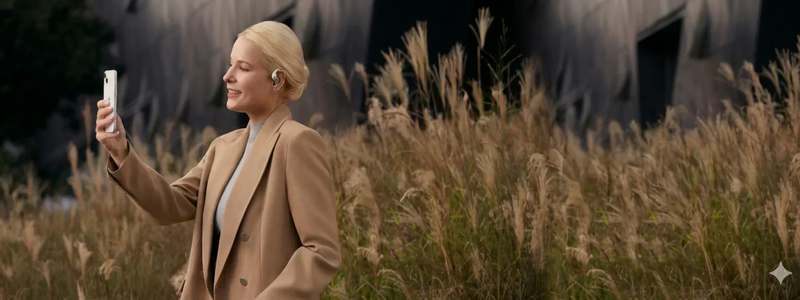
Health Risks of Prolonged Headphone Use: What Happens to Your Hearing and Body

Have you ever taken your headphones off after a long headphone session and thought, “Why does everything sound a little weird?” Maybe there’s a faint ringing in your ears or the world sounds slightly muffled for a minute. Spending hours with headphones on can gradually place extra strain on your ears, especially when certain listening habits are involved. This guide looks at the potential risks of prolonged headphone use and some simple ways to reduce them.
What Habits Increase the Risk of Hearing Damage?
Some headphone habits seem harmless, but can increase the risk of long-term hearing damage over time.
1. Cranking the Volume Way Up
We’ve all done it. A favorite song comes on, and suddenly the volume slider is creeping higher and higher. When the volume climbs high and stays there for extended periods, the tiny hair cells in the inner ear can be damaged. Once those cells are damaged, they don’t grow back - so prevention really matters.
2. Listening for Hours Without Breaks
Wearing headphones all day might feel normal, but your ears weren’t really designed for non-stop audio marathons. Even moderate volumes can cause auditory fatigue when exposure is constant. Over time, constant listening can gradually reduce your hearing sensitivity.
3. Turning Up the Volume in Noisy Places
In loud environments like subways, airports, or gyms, people often raise headphone volume just to hear their audio clearly. This habit, known as volume compensation, can easily push listening levels beyond safe sound levels without realizing it. Over time, repeatedly increasing the volume in noisy places becomes a common listening habit that raises the overall risk of hearing damage.
How Can Prolonged Headphone Use Affect Your Ears?
Wearing headphones for long stretches can affect both your hearing and the health of your ear canal.
Hearing-Related Damage
Repeated exposure to loud sound can lead to lasting auditory issues, including:
-
Noise-Induced Hearing Loss: Repeated exposure to loud audio can damage the inner ear’s hair cells. These cells don’t regenerate, so hearing loss from noise exposure is often permanent.
-
Tinnitus (The Ringing Noise): Ever notice a faint ringing after a loud concert or long listening session? That’s tinnitus. Sometimes it fades after a while. But repeated exposure to loud audio can make it stick around much longer than you’d like.
-
Reduced Hearing Sensitivity: Over time, frequent loud listening may reduce the ability to hear quieter sounds clearly. The change often happens gradually, which is why many people don’t notice it right away.
Ear Canal Issues
Headphones, especially in-ear models, can affect ear hygiene and comfort.
-
Earwax Build-Up: Earbuds can push earwax deeper into the ear canal, leading to blockages or discomfort.
-
Skin Irritation: Long listening sessions with tight earbuds can create friction around the ear canal, causing irritation or soreness.
-
Outer Ear Infection: Sweat, moisture, and bacteria on dirty earbuds can create a perfect environment for infection. Regular cleaning helps keep things under control.
How to Reduce the Risks of Prolonged Headphone Use
The goal isn’t to ditch headphones completely. It’s just to use them a little smarter.
1. Maintaining Safe Listening Volume Levels
Keeping headphone volume at moderate levels can help reduce the risks of prolonged headphone use. A simple habit is to start with a lower volume and raise it slowly until the audio sounds clear but comfortable.
Many phones also offer volume limit settings that help keep listening within safe sound levels during longer sessions.
2. Limiting Continuous Headphone Usage Time
Try taking 5-10-minute breaks every hour. Take the headphones off, stretch, grab some water, or simply give your ears a few minutes of quiet. Your ears will appreciate the breather.
3. Choose Headphones Designed for Safer Listening
Not all headphones affect your ears the same way. Open-ear headphones, for example, sit outside the ear canal instead of sealing it. That means better airflow and less pressure during long listening sessions.
One example is the OpenFit Pro from the Shokz open ear headphones series, designed with an open-ear structure that allows sound to reach the ear without blocking the ear canal, making it suitable for long listening sessions.
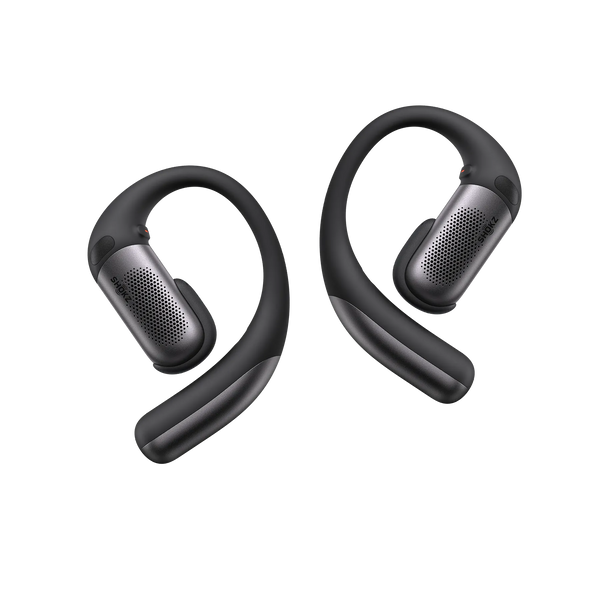
Why OpenFit Pro works well for extended use:
-
Ultra-Soft Silicone™ 2.0: Flexible materials and titanium hooks reduce pressure and friction during long listening sessions.
-
Open-Ear Design: Because the ear canal isn’t sealed, airflow remains more natural, which can reduce pressure and make long listening sessions feel more comfortable.
-
IP55 Water Resistance: Sweat and dust resistance helps keep things cleaner - especially during workouts or daily commuting.
4. Keeping Your Headphones Clean
Headphones pick up sweat, oils, and bacteria over time. A quick wipe with alcohol wipes and regular cleaning of silicone tips can help prevent irritation and infections. Also, sharing earbuds? Probably not the best idea.
5. Follow the 60/60 Rule
Listen at no more than 60% volume for no longer than 60 minutes at a time. Add short breaks and clean headphones, and you’re already doing your ears a big favor.
FAQ
1. Can Hearing Damage from Headphones Be Reversed?
In many cases, hearing damage from prolonged loud audio is permanent. Temporary ringing may fade, but prevention is the best protection.
2. Does Age Influence the Risk of Headphone-Related Hearing Damage?
Yes. Safe listening habits are important at any age. Older adults may be more sensitive to high volumes. Younger people may tolerate loud sounds better in the short term, but long-term exposure still carries risks.
3. Do Noise-Canceling Headphones Help Protect Your Hearing?
They can help. By reducing background noise, noise-canceling headphones make it easier to hear clearly without turning the volume up too high.
4. Are Headphones More Harmful Than Listening to Speakers?
Headphones deliver sound directly into the ears. It can increase exposure compared to speakers that spread sound through a room. Listening at moderate volumes and taking breaks helps reduce potential risks regardless of the device.
5. Can Environmental Noise Lead to Unsafe Listening Levels?
Yes. When the environment gets louder, people naturally increase volume - often more than they realize.
Conclusion
Headphones are one of the best inventions for music lovers, podcast fans, and remote workers alike. But hours of loud listening can slowly affect both hearing and ear comfort. The good news is that protecting your ears doesn’t require major lifestyle changes. A few simple habits like moderate volume, regular breaks, clean wireless headphones, and comfortable designs like open-ear models can help you enjoy great audio without putting your hearing at risk.