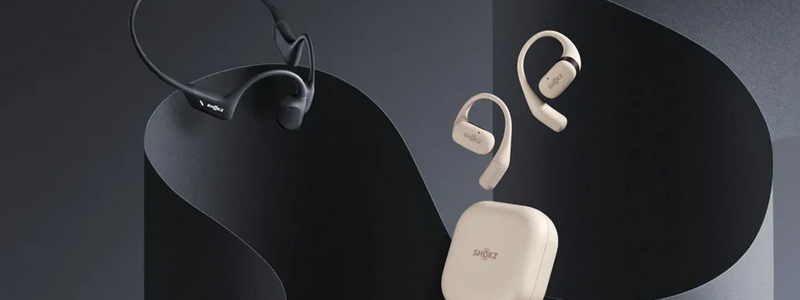
What Decibel Level Is Safe for Hearing — and When Does Sound Become Harmful?

People rarely think about sound levels until something feels wrong. Ears feel tired. Music feels sharp. A ringing shows up and won’t leave. That’s usually when questions like what is a safe decibel level start coming up. Most daily sounds don’t feel dangerous. Headphones at work. Music on the bus. Videos at night. But many don’t realize how many decibels is safe, or how long is too long. This article explains sound levels in simple terms. It shows what decibel ranges are safe, what causes damage, and how small listening habits can protect hearing over time.
Decibels Explained
Sound isn’t measured by how it feels. It is measured by the pressure it exerts on the eardrum, expressed in decibels, or dB. Decibels don’t increase in a straight line. A small number change can mean a big jump in sound energy.
What Are Decibels
Decibels measure sound intensity. Not loudness exactly, pressure. Every increase of 10 dB means the sound is about ten times stronger. So 80 dB isn’t just a little louder than 70 dB. It’s much more.
Your ears are reacting to pressure. This also explains why volume limits matter. A setting that feels “okay” can still be stressful if it stays loud long enough. Understanding decibels helps explain why small changes in volume make such a big difference, and why safe listening isn’t just about avoiding extreme noise.
How High Decibel Levels Affect Your Hearing
Most hearing damage doesn’t come from one loud moment. It comes from everyday sounds staying loud for too long. Once sound levels pass 85 dB, the risk starts to rise. The louder it gets, the faster damage can happen.
Common Sound Levels and Risks
|
Sound Level (dB) |
Example |
Potential Risk |
|
60 dB |
Normal conversation |
Generally safe |
|
70 dB |
TV, office noise |
Safe for long periods |
|
85 dB |
Traffic, busy restaurant |
Risk with long exposure |
|
95 dB |
Motorcycle, loud headphones |
Damage after a short time |
|
100+ dB |
Concerts, power tools |
High risk, fast damage |
The problem is that ears don’t give instant feedback. By the time something feels wrong, stress has already built up.
Ear Fatigue Symptoms
This is usually the first sign. Sounds dull. Everything blends together. You may notice you want quiet more than usual. After rest, hearing feels “normal” again, but that doesn’t mean no damage happened.
Tinnitus (Ringing in the Ears)
Ringing, buzzing, or a faint whine after a loud sound is common. Sometimes it fades after a few hours. When it keeps coming back, it’s a warning sign. Your ears are struggling to recover.
Temporary Hearing Loss
After loud exposure, voices may sound soft or distant. Details disappear. Speech feels harder to follow. Hearing often returns, but repeated episodes make recovery slower each time.
Permanent Hearing Loss
This part is irreversible. The inner ear cells don’t grow back. Damage builds quietly over years. Most people notice it late when clarity is already gone.
Understanding how loud sound affects hearing is important, but real life isn’t quiet.You can’t control traffic, crowds, or every environment you enter. That’s why simple daily listening habits matter more than avoiding sound entirely. Small choices, repeated often, do the most to protect hearing over time.
5 Listening Habits That Protect Your Hearing
Hearing loss usually doesn’t come from one loud sound. It comes from habits that repeat every day. Small choices add up.
Limit Exposure to Loud Environments
Concerts, bars, and construction sites often pass 85 dB. That level isn’t rare; it’s normal. Staying there too long is the problem. Short visits matter less than how often and how long you go back.
Be Mindful of Everyday Sound Levels
Noise isn’t only concerts. TVs, traffic, appliances, background sound all count. If something is always playing, your ears never reset. Turning things down slightly already helps.
Take Regular Breaks to Rest Your Ears
Ears get tired before they hurt. Most people miss that stage. A few quiet minutes, no music, no calls, can stop fatigue from building up later.
Avoid Using Headphones in Noisy Settings
Noise makes people raise volume without noticing. Gyms, streets, and buses all push sound higher, and your headphones try to fight the environment. Using bone conduction headphones for hearing safety can help reduce that extra stress on your ears.
Reduce the Use of In-Ear Headphones
In-ear headphones seal sound inside the ear canal, which can increase acoustic pressure over time. During long listening sessions, this buildup may contribute to gradual ear fatigue. With open earbuds, sound is not fully enclosed, allowing pressure to remain more evenly distributed. For extended listening, this design is often associated with a less fatiguing experience.
Top 5 Open Ear Headphones for Safe Listening
Having something sealed inside your ear all day gets uncomfortable fast. With open-ear styles, there’s nothing pressing in, so your ears feel normal even after hours. People use them for different things, work, walking, workouts, but the reason is similar. You can hear clearly without turning the volume up just to cut through that blocked feeling.
OpenMove
OpenMove is built for everyday listening in work and study settings. By using bone conduction instead of in-ear playback, it reduces ear pressure, encourages moderate volume levels, and stays comfortable through long calls, meetings, and focused tasks.

-
7th-Generation Bone Conduction: Transmits sound through cheekbones rather than the ear canal, reducing direct pressure on the eardrum.
-
Open-Ear Awareness Design: Keeps environmental sound audible.
-
Battery Life: Up to 6 Hours, which is enough for daily calls, meetings, and study sessions without frequent charging.
OpenRun Pro 2
OpenRun Pro 2 is designed for outdoor sports where awareness and clarity matter. Its open ear design helps runners and cyclists hear clearly without pushing volume too high in open environments.

-
DualPitch™ Technology: Combines bone conduction for clarity with air conduction for richer detail and reduced vibration load.
-
10th-Generation Bone Conduction: Improves vibration efficiency, allowing clear sound at lower output levels.
-
Battery Life: 12 Hours of playtime covers long training sessions, outdoor workouts, and extended daily use on a single charge.
OpenFit 2+
OpenFit 2+ is made for long workdays and extended listening. Its open-ear earhook design delivers balanced sound without sealing the ear, helping users maintain comfortable volume levels during calls, music, and all-day wear.

-
DirectPitch™ Technology: Directs sound precisely toward the ear while minimizing pressure and sound leakage.
-
Balanced Sound Tuning: Keeps bass controlled and vocals clear, reducing the urge to increase volume over time.
-
Battery Life: Up to 11 Hours per charge. It handles full workdays, meetings, and casual listening without mid-day recharging.
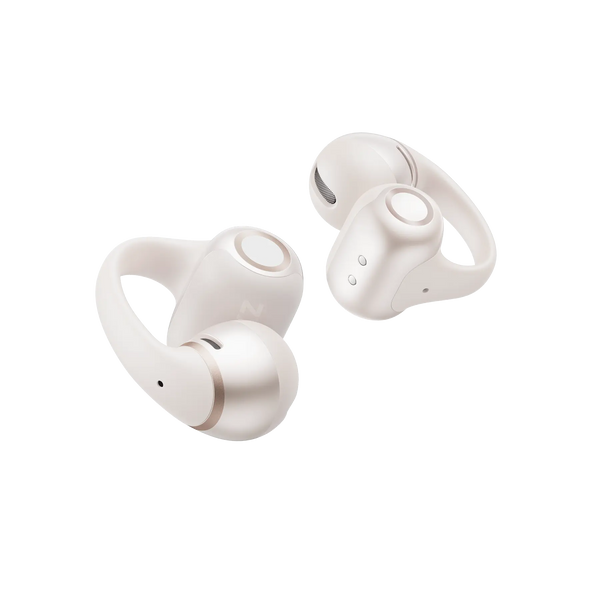
OpenDots 2 open-ear clip-on earbuds
OpenDots 2 suit various lifestyle needs, including multitasking, commuting, and light listening. Their clip-on open-ear form ensures you stay connected to your surroundings, providing a comfortable fit and reliable sound performance throughout the day.
Key Features
-
DirectPitch™ Technology & Dual-Driver System: Projects sound directionally to preserve exceptional clarity and depth, keeping your audio private while maintaining full situational awareness.
-
MultiPoint Pairing: Allows for seamless switching between two devices, such as your phone and tablet.
-
All-Day Battery Life: Offers up to 10 hours of continuous playback on a single charge (and up to 40 hours total with the wireless charging case), easily supporting full-day meetings, podcasts, and background listening.
|
Model |
Key Technology |
Battery Life (per charge) |
Best For |
|
OpenMove |
7th-gen bone conduction |
6 hours |
Office work, studying, beginners |
|
OpenRun Pro 2 |
DualPitch™, 10th-gen bone conduction |
12 hours |
Running, cycling, outdoor training |
|
OpenFit 2+ |
DirectPitch™ |
11 hours |
Remote work, long calls, daily wear |
|
OpenDots 2 |
DirectPitch™ |
10 hours |
Meetings, podcasts, multitasking |
FAQ
What is the safest volume for music?
The safest listening level is no more than 60% of your device’s maximum volume, generally under 70 dB. If you can still hear the room around you, you’re usually fine. You shouldn’t feel sealed off from everything else. Once you crank it up just to block out noise, that’s a sign to turn it down.
Is 70 dB too loud for headphones?
No. That’s roughly the level of normal conversation. At this volume, most people can listen for hours without noticeable issues. It is generally comfortable and does not place significant strain on the ears when using a wireless headphone.
Can I use earbuds at 30 decibels for work?
Yes. That’s very quiet. It’s closer to background sound than real listening. Many people use it just to avoid silence while working.
How long can you listen to 85 dB?
Not very long. It might feel fine at first, which is misleading. Ear fatigue sneaks up quickly at that level, so breaks really matter.
Conclusion
Understanding what is a safe decibel level helps explain why hearing issues often develop quietly over time. Safe listening isn’t about eliminating sound; it’s about balance, awareness, and habits.
For most people, keeping volumes moderate, taking breaks, and avoiding sealed listening for long periods makes a meaningful difference. As listening habits shift toward longer work sessions and daily headphone use, choosing the best wireless bluetooth headphones that reduce pressure and encourage natural volume control is becoming increasingly relevant. Ultimately, protecting hearing comes down to pairing the right habits with equipment that supports how people actually listen.