ASMR Meaning: Benefits, Drawbacks, and How It Works
When you’re tired, scrolling in bed, with headphones on, someone is whispering. Maybe it’s tapping. Maybe it’s just slow, careful talking. You don’t fully understand why, but your body eases up a bit. That moment is why people look up ASMR meaning. Not because they want a definition, but because the feeling is hard to explain. Some wonder what is ASMR. This article doesn’t overcomplicate it. It explains what ASMR actually is, why it works for some people, why it doesn’t for others, and what to expect before turning it into a nightly habit.
What Is The Autonomous Sensory Meridian Response?
The full name, Autonomous Sensory Meridian Response, sounds like a phrase invented in a lab. It’s often a faint wave, almost like carbonated water fizzing under the skin. Some feel it creeping up the back of the neck; others get a warm heaviness behind the eyes.
What brings it on tends to be wonderfully ordinary: soft tapping on a book, someone whispering close to a microphone, the swish of a makeup brush passing across fabric, slow hand motions unfolding with a kind of tender patience.
That might be why researchers started paying attention. Viewers weren't treating it like a silly trend. They were using it as a nightly tool to rest, decompress, and quiet racing thoughts. Even without tingles, the atmosphere itself works like a kind of emotional balm. The brain registers a signal that says, in its own way, you’re safe now.
What Is ASMR Used For?
Most people find ASMR by accident, usually when they can’t sleep and are desperate enough to try anything. But once they discover what it does for them, it quickly becomes more than a bedtime trick.
Improving Sleep with ASMR
The sleep connection is practically legendary. You put on headphones, a voice whispers softly, someone taps lightly on a ceramic cup, and suddenly the day’s noise fades into the background. ASMR helps slow breathing, lower arousal, and occupy the mind just enough to prevent anxious spiraling. It doesn’t knock you out like a sedative. It simply guides the mind toward quiet. For many, the routine becomes comforting: dim lights, ASMR in the background, a sense that sleep is no longer a battle but a gentle slide.
Relieving Headaches and Tension
A surprising number of listeners say ASMR reduces forehead pressure or the ache that builds from hours of clenching the jaw. They describe their shoulders loosening after a few minutes, their posture softening as if their body finally received permission to stop bracing itself. It’s not clinically proven as a treatment, but there’s a repeated pattern: when the mind calms, the body often follows.
Using ASMR for Specific Needs (ADHD, Autism Spectrum)
People with ADHD often use ASMR as a grounding tool. The steady, predictable sound gives their attention something to hold onto during transitions or long periods of focus. Within autism communities, ASMR provides a sensory anchor, gentle, repetitive, and controlled. Instead of chaotic input, they get something soothing enough to regulate the nervous system.
How Does ASMR Work?
Scientists still haven’t agreed on one explanation, but they’ve mapped out a few possibilities that repeat across studies.
Dopamine and Endorphin Release
One theory is that ASMR activates pathways associated with pleasure, bonding, and emotional reassurance. Whispering and tapping mimic the soft cues that signal intimacy or comfort in social situations. When people feel tingling, it may reflect a small release of dopamine or endorphins, nothing intense.
Activates the Brain’s Relaxation Response
Brain scans show activity in regions connected to soothing touch and emotional regulation. These areas often light up when someone experiences gentle, comforting attention from another person. ASMR appears to mimic that natural response, and the effect can be enhanced when you use open-ear headphones. The brain interprets the calm, deliberate sounds and movements as signals that it can stop being on guard.
Creates Tingling and Calmness
Some people get tingles. Others just feel heavy and relaxed. Either way, the effect is less about the sensation itself and more about the shift that happens afterwards. You move from tension to a softness you didn’t realize you needed. The body stops gripping everything so tightly.
What Can Trigger ASMR?
Triggers range from whispering to the sound of rain, but they tend to fall into a few familiar categories.
Sound Triggers
Soft, close-up sounds are the backbone of ASMR. Tapping on wood or plastic, gentle scratching, whispered speech, the rustle of paper, the sweep of brushes across a textured surface. These tiny noises become strangely immersive when recorded with sensitive microphones. They feel intimate, almost like someone is right there beside you.
Visual Triggers
Slow hand movements, page-turning, folding towels, tracing gentle arcs of light. These visuals have a soothing rhythm. The movements are careful, unhurried, and focused entirely on creating calm. Even without sound, the visuals alone can lull the mind into a quieter space.
Roleplay Triggers
Roleplay scenarios recreate everyday moments of care: a spa appointment, a makeup session, a simple checkup. What relaxes viewers isn’t the acting. It’s the feeling of gentle attention, as though someone is tending to you without expectation or urgency.
Environmental Triggers
Some people prefer to skip human-trigger ASMR altogether and listen to rain hitting windows, the crackle of a fireplace, wind moving through leaves, or ocean waves rolling in. These natural, repetitive sounds offer a predictable, grounding rhythm that works well for background relaxation, especially when paired with headphones that deliver sound quality unpacked for the clearest, most immersive experience.
Comparison Table
|
Trigger Type |
Examples |
|
Sound Triggers |
Whispering, tapping on wood or plastic, gentle scratching, paper rustling, brush strokes |
|
Visual Triggers |
Slow hand movements, page-turning, towel folding, tracing light patterns |
|
Roleplay Triggers |
Spa session, makeup application, medical checkup, and everyday care scenarios |
|
Environmental Triggers |
Rain sounds, fireplace crackling, wind through leaves, ocean waves |
What Are The Pros and Cons of ASMR?
ASMR is powerful for many people, but like any experience, it has its limits.
Pros of ASMR
ASMR can lower anxiety by giving the mind something gentle to follow. It often lifts mood, leaving people feeling lighter or more grounded. Some find that ASMR enhances concentration, creating a protective bubble of sound that quiets distractions. It offers a kind of mental exhale, simple, free, and widely accessible.
Cons of ASMR
It doesn’t work for everyone. Some people never feel tingling and don’t get much relaxation from it. The scientific evidence is still catching up, so there are open questions about long-term effects. A small group of listeners feel overstimulated or irritated by certain sounds. Others get too relaxed and struggle to stay alert. Like anything that interacts with the senses, it’s highly individual.
How to Get The Best ASMR Experience?
Even if you aren’t getting tingles yet, the right environment and hardware can make a noticeable difference.
Preparing Your Hardware
ASMR relies on tiny details, so the choice of listening device matters. Closed-back headphones offer immersive sound, but their sealed design traps heat and creates pressure around the ears. Many listeners eventually switch to lighter wireless headphones or open-ear designs for more comfortable long sessions, especially in bed.
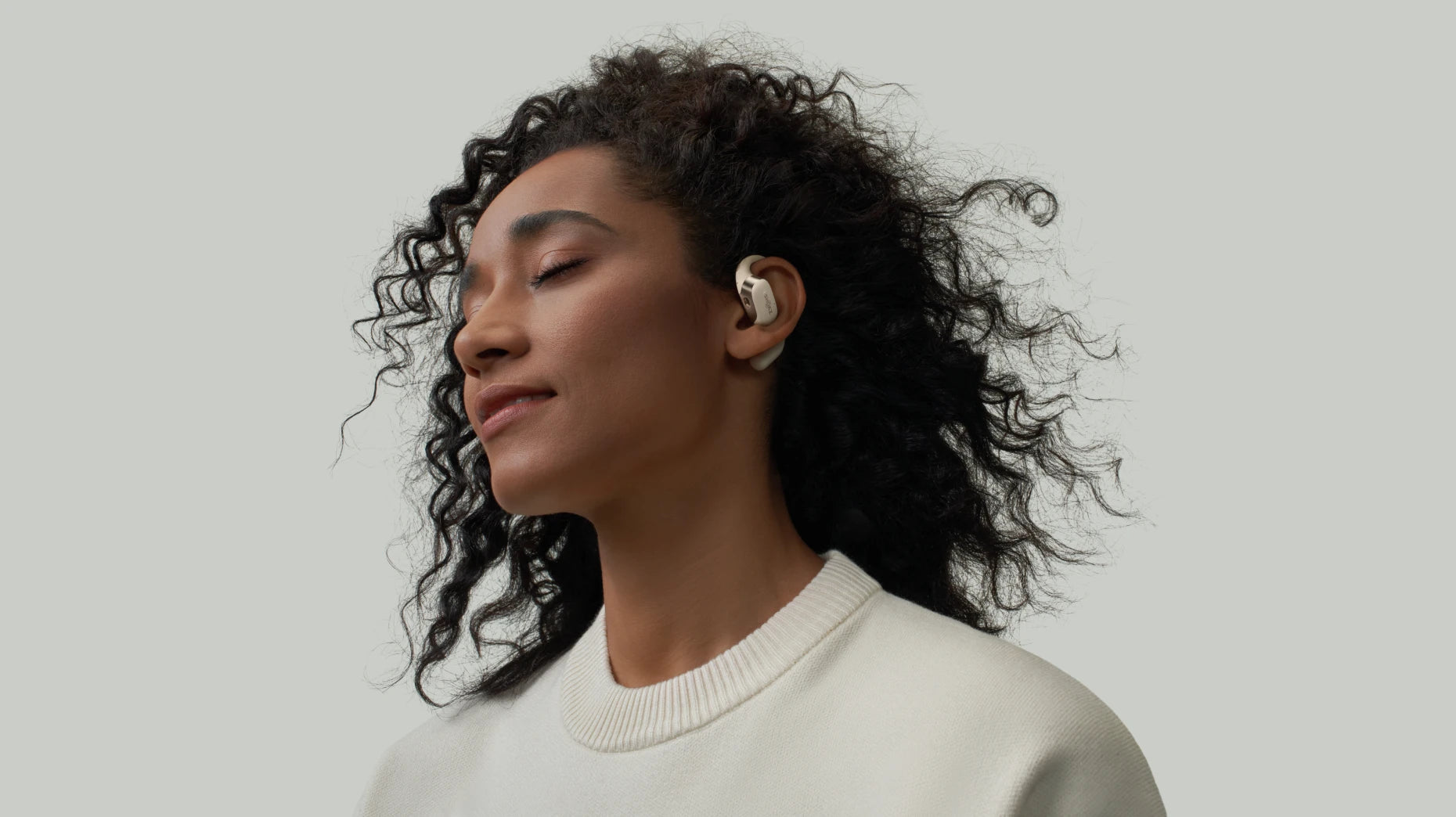
OpenDots ONE offers a different kind of ASMR listening experience. Instead of blocking your ear canal, it uses an open ear design that sends soft, spatial audio toward your ear without sealing anything shut. This makes the sound feel natural and airy, which is especially helpful during long nighttime sessions.

Key Features:
-
Clip-on Open-Air Design: The speaker never goes inside the ear. It rests lightly on the outer ear, keeping things breathable while still preserving detail.
-
Lightweight 6.5g Build: Each side weighs only 6.5 grams, light enough to forget about.
-
Long Battery Life + Fast Charging: With up to 10 hours of playback on a single charge, fast charging delivers up to 2 hours of listening from just a 10-minute charge.
Setting The Right Environment
ASMR tends to be more effective when the world around you quiets down. Lower lights, reduce background noise, settle into comfortable blankets, turn off notifications. Small changes shape the whole experience. It’s like telling your brain, “We’re done for the day. Let’s slow down.”
Selecting Content That Triggers You
ASMR is personal. What soothes one person may annoy another. If whispers irritate you, try tapping. If tapping feels sharp, try rain ambience. If none of that works, roleplay ASMR might surprise you with how comforting it feels. Over time, you discover your own “ASMR fingerprint,” a combination of triggers that consistently help you unwind.
Enhance ASMR with Real-World Sensations
Soft textures, warm lighting, or slow breathing can deepen the effect. The calmer your body feels, the easier it is for ASMR to do what it does best.
FAQ
Does ASMR work for everyone?
No, but many people still find it relaxing even without tingles. Some listeners never experience the classic “tingling” sensation, yet still use ASMR as background sound to unwind, focus, or fall asleep.
Is ASMR safe for kids and teens?
Generally, yes, especially nature-based or simple ambient ASMR. Content without roleplay, whispering, or personal themes tends to be more appropriate and is often used for relaxation or sleep.
Is ASMR an ADHD thing?
Not exclusively, but many people with ADHD use ASMR to calm racing thoughts or ease transitions. It can help create a steady sensory environment, which makes it easier to settle into tasks or wind down.
What type of headphones are best for ASMR?
Open-ear designs, such as Shokz headphones, provide clear sound and a comfortable fit, allowing longer listening sessions without the pressure or fatigue often caused by traditional headphones.
Conclusion
ASMR meaning becomes clearer once you experience it rather than try to define it. For some, it’s a soft tingle. For others, it’s a way to pull themselves out of a long, noisy day. Whatever form it takes, the point isn’t the sensation. It’s the moment of calm that follows. If you’ve ever typed what is ASMR or what does ASMR mean during a restless night, think of ASMR less as a technical term and more as a tiny ritual. A pair of ASMR headphones, a few minutes of gentle sound, and the mind finally stops racing. It just shows up quietly, when you need a pause, and helps you feel a little lighter than before.
Author Information

guides on Shokz
Related Posts