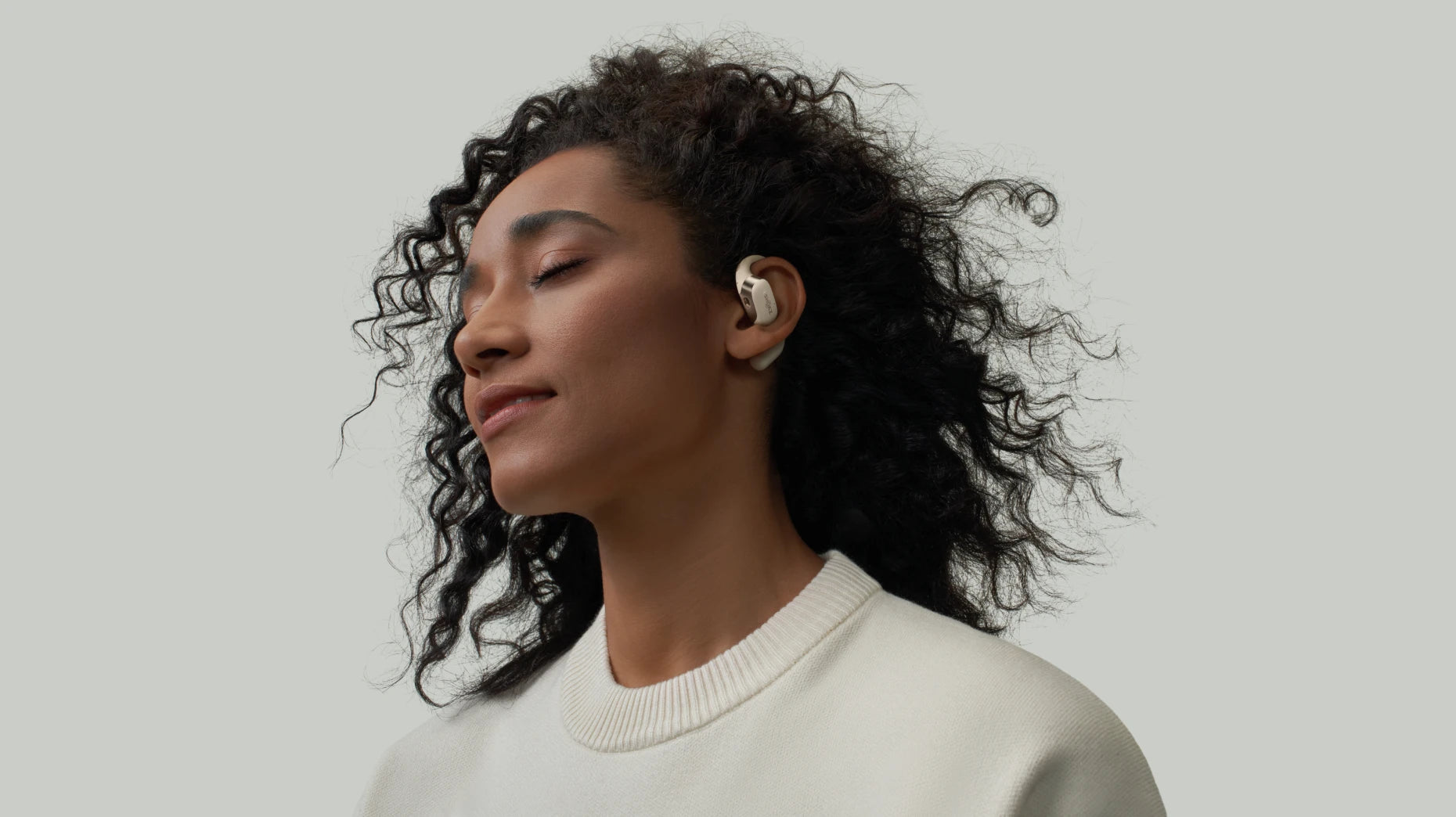
What Is Impedance in Headphones? How It Affects Sound and Compatibility
Whenever people compare headphones, someone eventually brings up a number with the “Ω” symbol, 32Ω, 80Ω, 150Ω. These are impedance. But what is impedance in headphones? In fact, a low number doesn’t mean cheap, and a high number doesn’t mean “audiophile.” It simply tells you how much power a headphone expects. If your device can’t provide that power, the sound suffers, not because the headphones are bad, but because they aren’t being driven properly. Understanding impedance won’t make you an engineer, but it can save you from buying headphones that don’t match your device.
Headphone Impedance Explained
Ever wondered why some headphones sound quiet on your phone but come alive on an amplifier? The answer lies in impedance, a key factor that shapes how your headphones perform.
What Does Impedance Mean in Headphones?
Impedance is basically how much electrical resistance headphones present to a power source. It’s measured in ohms. Simply put, it affects how easily headphones can be driven by a device.
Most consumer headphones, including the majority of Bluetooth headphones, are designed with relatively low impedance. This means ordinary phones and laptops can drive them easily. They can deliver enough volume and a balanced sound.
Higher-impedance headphones are different. They’re typically designed for use with dedicated audio gear. They aren’t easily driven by mobile devices alone. However, when paired with a suitable headphone amplifier, higher-impedance headphones often deliver better control and finer detail.
Theoretical Impact of Impedance on Sound and Performance
Beyond volume, impedance also affects how well an amplifier can control a headphone driver.
When music plays, the driver moves in response to the signal. When the signal stops, the driver should stop. If the amplifier has strong control, the driver stops quickly and cleanly. This keeps bass tight and notes well defined. If control is weaker, the driver can keep moving slightly longer, which may cause the bass to sound loose and reduce clarity.
Impedance influences this control. It affects how easily the amplifier can keep the driver in check. With a proper match between the headphones and the amplifier, control stays firm and the sound feels composed. When the match isn’t ideal, control suffers and the sound can feel less precise.
Practical Effects of Impedance on Volume and Audio Quality
In real-world listening, impedance directly affects how loud your headphones play and how clean they sound.
High Impedance Headphones: Lower Volume, Higher Power Needs
This usually shows up with headphones meant for desks rather than pockets, the 80-ohm, 150-ohm, or 300-ohm kind. Plug them into a phone and something feels off. You turn the volume up, but it still doesn’t quite get there. Bass thins out first, and the sound feels smaller and flatter.
They’re simply waiting for more power than the phone can provide. Without enough voltage, the drivers don’t move as intended. Hearing the same pair on a proper amp makes the difference obvious.
Low Impedance Headphones: Easier to Drive, More Sensitive
Low-impedance headphones are easier to live with. Plug them into a phone, laptop, or tablet and they usually behave. Volume comes up without effort, and bass stays present instead of fading as volume increases.
They don’t ask for much power, which is why low impedance dominates wireless headphones, portable models, and sports gear. These products are built around phones, pockets, and movement, not amps or desks.
Frequency Response and Audio Clarity Considerations
Power issues usually show up in the bass first. When headphones don’t get enough power, the low end slips away. Everything becomes lighter and thinner, while upper frequencies start standing out too much. Push the volume further and strain appears, not dramatic distortion, just enough to signal something’s wrong.
When headphones finally get proper power, that discomfort disappears. Bass returns and stays controlled. The midrange remains stable. High sounds settle instead of biting. It simply sounds right.
Device Compatibility and Practical Usage
In real life, the device matters more than the spec sheet. Phones, tablets, and most laptops work best with low-impedance headphones because they don’t output much power. Desktop DACs and amplifiers are different, providing the voltage and control needed for medium- or high-impedance headphones.
For most people, daily listening happens on phones or laptops, often while moving. That’s why low impedance has become the everyday standard, not because it’s better on paper, but because it matches how people actually listen.
Low-Impedance vs High-Impedance Headphones: Key Differences
Not all headphones respond to power the same way. Here’s how low- and high-impedance models differ in power requirement, sound, and everyday use.
Power Requirements and Driving Ease
You plug them into your phone, press play, and they just work. That’s usually a low-impedance pair. Phones and laptops are built for them, so the sound comes out at a normal volume without you thinking about power at all.
High-impedance headphones are a different story. You can use them with a phone, but it often feels like something’s missing. You turn the volume up. Then more. And still, it never quite opens up. That’s because those headphones expect more voltage than a phone can give. Once you connect them to a proper amp, the same headphones suddenly sound fine.
Sound Accuracy and Detail
With enough power, high-impedance headphones tend to sound steadier. Bass doesn’t smear as much. High notes stay in place. Everything feels a bit more controlled, especially with good recordings.
On mobile devices, though, low-impedance headphones usually win in real life. They’re getting the power they were designed for, so the sound feels complete instead of thin or strained.
Volume Control and Listening Experience
Volume behavior gives it away fast. Some headphones feel quiet even when the slider looks high. Others jump from “too soft” to “too loud” with barely any movement.
Low-impedance headphones wake up quickly on phones. Very sensitive ones on strong amps can feel jumpy. That’s why impedance isn’t about better or worse—it’s about whether the headphones and the device actually make sense together, ensuring sound quality unpacked is experienced as intended.
Versatility and Everyday Compatibility
Low-impedance headphones are ideal for everyday use, especially for those designed for mobility and outdoor activities. Devices like phones can easily drive shokz open earbuds to a comfortable volume, so you’re not constantly adjusting the sliders just to hear properly.
The sound stays put instead of shifting around, and the battery doesn’t feel like it’s being drained just to keep things loud enough. There’s also never a moment where you feel like something extra is missing, because nothing really asks for an amp.
|
Aspect |
Low-Impedance Headphones |
High-Impedance Headphones |
|
Power Requirements |
Easy to drive with phones, laptops, and mobile devices. |
Require more voltage; perform best with dedicated amplifiers. |
|
Sound Quality |
Full and balanced on portable devices; optimized for real-world listening. |
More controlled and detailed when powered properly. |
|
Volume Behavior |
Reach loud volumes quickly; very sensitive to small adjustments on powerful amps. |
Often sound quiet on low-power devices until properly amped. |
|
Versatility |
Highly compatible with everyday setups; ideal for travel and outdoor use. |
Best suited for studio or home use with amplifiers. |
|
Battery Impact |
Efficient power use, minimal drain on portable devices. |
Can demand more power from amps or high-output sources. |
Shokz uses low-impedance designs for everyday use, and here are some reliable and high-quality models:
OpenRun Pro 2 (8.5Ω)
OpenRun Pro 2 is built for movement, running, cycling, and outdoor training, where hearing your environment matters as much as hearing your audio. Its extremely low impedance allows phones and smartwatches to power it easily, ensuring solid volume even outside.

-
Low-Impedance Driver (8.5Ω): Designed to deliver full loudness from low-power sources like phones and wearables, preventing the “too quiet” issue common with high-impedance headphones.
-
Stable Connection in Motion: The wraparound frame and driver placement maintain consistent sound even when jogging or turning your head.
-
Long Workout Battery: Up to 12 hours, optimized for endurance-based listening, matching the needs of users who train daily.
-
Reliable Physical Buttons: Large tactility-friendly controls allow quick adjustments without stopping or looking.
OpenDots ONE (22Ω)
OpenDots ONE uses a lightweight clip-on design that rests outside the ear canal, providing a calm, pressure-free listening experience. Its moderate impedance offers a balance between efficiency and driver control. It is best for multitaskers who rotate between calls, messages, podcasts, and casual audio, especially people who dislike in-ear pressure.

-
Balanced Impedance (22Ω): Easy for laptops and phones to drive while keeping playback stable and clean at moderate volumes.
-
Dual-Driver Voice Clarity: Tuned for spoken content, meetings, podcasts, and video, so vocals stand out without blasting the volume.
-
Long Battery Life: 10 hours of playtime per charge, up to 40 hours with the charging case. It is built for full-day use patterns, calls, apps, and breaks.
-
MultiPoint Pairing: Handles transitions between computer and phone with fewer audio drops than typical earbuds.
OpenFit 2 (19Ω)
OpenFit 2 blends a soft earhook design with low-to-mid impedance drivers for natural open listening that works well with tablets, laptops, and phones. It is always a solid choice for remote workers, commuters, and anyone who prefers an open-ear, all-day-wear design powered directly by a phone or laptop.

-
19Ω Efficiency Profile: Provides strong volume without needing an external amp, keeping playback steady and clean.
-
No Heat, No Pressure: The open-wear shape prevents in-ear discomfort and makes long sessions easier.
-
Reliable Physical Controls: Buttons reduce accidental touches, especially during movement or when hands are damp.
-
Workday-Level Battery: Holds enough power for calls, commutes, and entertainment without dipping into distortion as battery drains.
|
Model |
Impedance |
Best For |
|
OpenRun Pro 2 |
8.5 Ω (Low Impedance) |
Outdoor training, running, and cycling. |
|
OpenDots ONE |
22 Ω (Moderate Impedance) |
Everyday comfort and multitasking. |
|
OpenFit 2 |
19 Ω (Low-to-Mid Impedance) |
All-day scenarios, remote work, commuting. |
How to Choose the Right Headphone Impedance
Choosing the right impedance depends on what you listen to and what you’re plugging your headphones into.
Match Impedance with Your Audio Source Power
For phones and tablets, an impedance range of 16–32Ω works best. Laptops can usually handle headphones up to around 50Ω. Dedicated DACs and amplifiers are designed for higher impedance models, typically in the 80Ω–300Ω range. Those numbers give the quick answer, but real use matters more. Think about the device you use most of the time.
Determine Your Listening Volume and Sound Preferences
If you like loud, energetic playback on small devices, low impedance is the safer choice. If you prefer moderate volume but maximum detail, and you’re using an amplifier, higher impedance can offer more headroom and a smoother presentation.
Decide If You Need A Headphone Amplifier
High-impedance headphones require more than a simple headphone jack. They expect a DAC, an amplifier, and enough power behind the signal. Without that support, the sound often feels weak or unfinished. That’s why low impedance is the safer option for most people.
Consider Usage Scenarios and Mobility Needs
How you listen matters more than specs. If you’re moving around and listening through your phone, low impedance just works. Quiet rooms, desk setups, and dedicated gear are where higher impedance starts to make sense. Framed this way, impedance becomes a lifestyle decision instead of a technical puzzle.
FAQ About Headphone Impedance
What is a good impedance for earbuds?
Anything below 32Ω works best for phones and everyday listening. Most true wireless earbuds and in-ear headphones sit in the 16–32Ω range because they’re easy to drive and don’t need extra hardware.
Is higher impedance better for headphones?
Only with proper amplification. Without it, high-impedance models usually underperform, with lower volume and weaker bass. With enough power, higher impedance can reduce distortion at louder levels and offer better control, which is why these models are common in studio and fixed listening setups. For mobile and everyday use, finding the best wireless Bluetooth headphones ensures you still get clear, powerful sound without needing extra amplification.
Which headphone impedance is best for sound quality?
There is no universal “best.” Sound quality depends on matching the headphone with the right power source. For mobile use, 16–32Ω headphones usually sound better than high-impedance models because they’re driven correctly. With a desktop amp, higher impedance opens up more options with smoother response and added headroom. What matters most is pairing, not chasing a specific number.
Is 100Ω impedance good for earphones?
It depends on how you plan to use them. At 100 ohms, earphones are considered relatively high impedance. If you’re using a dedicated headphone amplifier, it works well. If you plan to plug them directly into a phone or laptop, however, 100Ω is not ideal. Most mobile devices can’t provide enough power. The volume runs out and the bass loses impact.
Conclusion
Now you know what is impedance in headphones. Impedance isn’t just a technical number. It directly affects volume, clarity, and device compatibility. The biggest mistake is assuming higher impedance automatically means better sound. It simply means the headphones expect more power. Because most people listen on phones and laptops, low-impedance designs make the most sense for everyday use. That’s why models like OpenRun Pro 2 (8.5Ω), OpenDots ONE (22Ω), and OpenFit 2 (19Ω) work so reliably across devices. Choose impedance based on your device and how you listen, not the number alone.
Author Information

guides on Shokz
Related Posts