How to Maintain Effective Social Interaction While Wearing Headphones: Tips for Staying Connected

Headphones are perfect for catching up on audio or taking calls basically anywhere you happen to be. The downside is that wearing them constantly can act as a quiet signal that you're not open to talking. Others might hold back from saying hi because they assume you’re busy. We’re going to dive into why this barrier exists and share some simple tips to help you stay approachable and keep conversations flowing at work or school.
Why Headphones Can Impact Social Interaction in Daily Life
Headphones create that nice wrapped-around-you feeling for music, calls, or shows—super immersive. But they may also affect how people notice surrounding sounds and respond to conversations.
1. Reduced Awareness of Surrounding Sounds
Standard headphones are designed to block out external noise. As a result, subtle cues—like a quick greeting, someone calling your name, or the sound of footsteps nearby—can be easy to miss. When these small signals go unnoticed, chances for casual interaction may pass by without you realizing it.
2. Divided Attention Between Audio Content and Social Interaction
Engaging with detailed audio, such as listening to a podcast or fast-paced music, requires attention. When someone initiates a conversation unexpectedly, a brief period is often required to redirect attention from the audio to the speaker. This momentary shift can sometimes result in interactions that feel slightly awkward.
Common Social Challenges When Wearing Headphones
For many people, headphones can create small social hiccups. Others may not know if you can hear them or if you’re busy, which can lead to awkward moments.
1. Being Perceived as Not Wanting to Be Disturbed
Headphones commonly function as a visual indicator of engagement in a private task or a desire to avoid distractions. This perception can cause people nearby to assume interruptions would be unwelcome. This behavior can restrict opportunities for unplanned collaboration in workplace settings; in social or academic settings, it may also create an unintended sense of distance or reduced connection.
2. Missing Important Conversations or Social Cues
When attention is fully absorbed elsewhere, participating in a conversation can become challenging. Important cues, side remarks, and the natural flow of discussion may be missed, leaving the person out of sync with the group.
3. Interrupted or Delayed Communication
Fumbling to pause audio and extract an earbud before responding establishes an artificial barrier in what should be a seamless interaction.. For anyone hoping to ask a quick question without drawing attention, this added step can render the exchange unnecessarily awkward or hesitant.
4. Collaboration Difficulties in Work or Group Settings
The best ideas in a busy office usually happen in real-time, off the cuff. Keep your headphones on all the time, and you’re opting out of those little moments. It’s not just bad for your work—it’s also a quick way to feel like you’re on the outside looking in with your team.
Tips to Maintain Good Social Interaction While Wearing Headphones
The good thing is that you can enjoy high-quality audio and still be a part of the room. It just takes a few practical moves to balance your personal listening with staying socially engaged.
1. Stay Aware of Your Surroundings
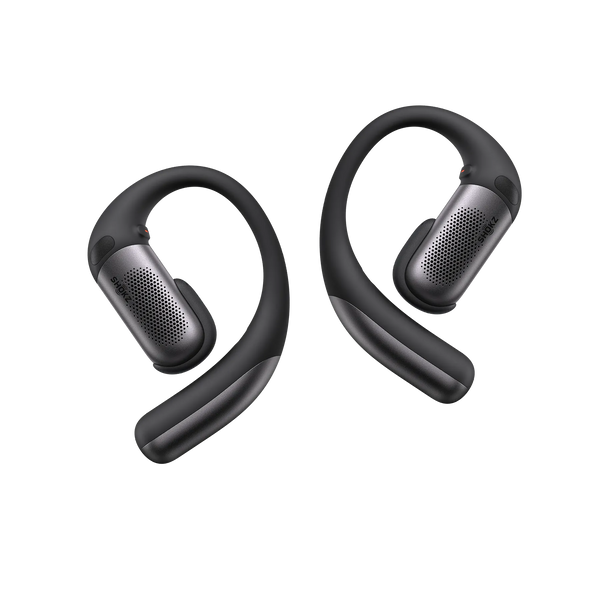
Being aware of your surroundings is a secret weapon for social life. Since traditional headphones are basically earplugs, they’re not great for this. Open-ear headphones can help since they allow some background noise naturally.
The Shokz OpenFit Pro uses this open-ear design so you can hear ambient noise and speech simultaneously. It makes it way easier to catch social cues without having to take your headphones off every five minutes. It’s also got a triple-mic system for clear voice pickup, so calls stay smooth even in busy, noisy places.
2. Keep the Volume at a Reasonable Level
Audio volume is often the deciding factor in one’s level of social connectivity. Excessive volume creates a bubble of isolation, while more moderate levels keep the listener grounded in their environment.
Managing these levels also prevents the awkwardness of immediately removing gear when someone approaches. This approach facilitates a more organic transition into speech, making the shift feel effortless for both parties.
3. Use One-Ear Listening in Social Environments
In situations where you need to stay reachable, using just one earbud can be very helpful. You can enjoy your music or podcast while keeping an ear free for instructions or quick messages from friends or colleagues.
4. Pause or Remove Headphones During Conversations
Hitting pause is a clear cue that you value the person speaking and are ready to listen. Taking a moment to pull off your headphones or stop the playback demonstrates an active commitment to the interaction.
This quick habit makes for much smoother communication and prevents any awkward mixed signals. It lets others know they’re being heard loud and clear, rather than fighting for space with your background audio.
5. Show Approachability Through Body Language
Body language is a major signal for whether or not you're open to an interruption. Breaking away from your monitor to make brief eye contact and maintaining open posture creates a much more inviting presence.
Subtle signals like these help bridge the gap even when you're clearly wearing headphones. Simple gestures, like a friendly nod or a quick smile, allow you to recognize the people around you without needing to stop your audio right away.
FAQ
1. Do Headphones Affect Team Communication Styles?
Yes. Constant headphone use definitely pushes everyone toward Slack or email. It gets the job done, sure, but you lose out on the spontaneous problem-solving and the bond you get from actually talking to your coworkers.
2. How Can Headphone Users Maintain Positive Interactions?
It’s all about staying aware and using the right body language. Keeping your volume moderate and just nodding to people nearby makes everything feel less awkward. Just taking headphones off when someone approaches shows you're actually being respectful and tuned in.
3. How Can You Balance Personal Listening Time and Social Engagement?
Try to set specific times for "headphone time" and other times for "open work." For example, keeping them off during lunch or team breaks goes a long way in keeping those social ties alive.
4. What Situations Require Removing Headphones Immediately?
Headphones may be removed for situations such as introductions, safety briefings, or one-on-one meetings. In general, when someone is providing important information, it is advisable to keep your ears unblocked to ensure clear communication.
5. Can Headphones Help People Manage Social Fatigue?
For many people, listening to calming audio through headphones can provide a useful mental break during the day. If you use them strategically to recharge your batteries, you’re probably going to be way more present and social during your actual interactions later on.
Conclusion
Wearing headphones can be helpful for focusing on audio or completing tasks efficiently, but it may also reduce awareness of your surroundings. Paying occasional attention to the environment, keeping the volume at a moderate level, and using small adjustments—such as one-ear listening or brief pauses—can help maintain social engagement. With these strategies, it is often possible to enjoy personal audio while remaining connected to people around you.