Marathon Running Gear Essentials


Shokz X 2026 Bank of America Chicago Marathon
Enter to win the Co-branded Edition OpenRun Pro 2
Explore Now →
2026 Shokz Four-Star Challenge
Join ShokzSquad to enter the challenge, collect four stars, and unlock giveaway rewards.
Explore Now →When long runs reveal what your marathon running gear is really doing
Marathon training can change how you think about your running kit. Early on, a basic setup may feel sufficient: shoes that are comfortable on shorter runs, a shirt that works well enough, and perhaps a handheld bottle when the weather is warm. As long runs get longer, small issues can become easier to notice.
That is often when runners start looking more closely at marathon running gear. The focus shifts from simply having the basics to figuring out which pieces continue to work as distance, time, sweat, and movement increase.
A runner who starts with a broad search such as “marathon gear checklist” may eventually look for blister prevention, anti-chafe products, hydration belts, or open-ear running audio. What feels manageable on a shorter run can become more noticeable later in a longer session.
The longer-run problems runners usually notice first
Gear problems during marathon training are often repetitive rather than dramatic.
A waistband may start rubbing later in a run. A sock that feels fine on shorter runs may bunch or create friction. A bottle can become less comfortable to carry as hands get sweaty, while gels in a pocket may bounce enough to become distracting.
This is where marathon running gear becomes more about fit, friction, moisture, and stability over time. Longer runs give you more opportunity to notice whether something stays comfortable and in place or becomes a distraction.
Why shoes that felt fine on shorter runs can feel different later
Shoes can pass a short-run test without showing every fit issue that may appear over longer sessions.
A pair may feel soft, light, and comfortable at first, then create pressure points later in the run. Feet may change in volume, form can shift with fatigue, and wetter socks can alter how the shoe feels. Small fit issues can become more noticeable simply because you spend more time in the shoes.
That does not necessarily mean the shoe is wrong. It can be worth testing different sock thicknesses, adjusting the lacing, or wearing the shoes at a pace and on a route that more closely resembles your usual marathon training. The useful test is how the shoe fits and feels when your actual training conditions are in place.
How chafing, blisters, and dehydration shape the real checklist
Many first-time marathon runners start with a straightforward list: shoes, clothes, a watch, and perhaps nutrition. Longer training sessions can change which details deserve attention.
Chafing under the arms or along a sports bra line may become a bigger concern than a new top. A recurring heel blister may matter more than an accessory. Running short on water or electrolytes can also change how you plan future long runs.
The resulting checklist is often built around the problems that need to be addressed before they repeat. A piece of gear becomes more useful when it has a clear role in your training setup.
How marathon running gear changes from basic kit to race-ready setup
As training progresses, runners may start asking a more specific question: will this setup continue to work during a longer session?
What feels optional early can matter more later
At the beginning of a training block, anti-chafe balm may seem like an extra. Better-fitting socks, more stable storage, or an additional layer for changing weather may also receive less attention.
After several longer runs, these details can become more relevant if they address a recurring issue. The same applies to accessories. Something that barely registers on a short run may become distracting if it slips, bounces, or holds too much moisture over a longer session.
The shift from “comfortable” to dry, secure, and distraction-free
“Comfortable” can mean different things once a run gets longer. Runners may start paying closer attention to whether clothing stays manageable when damp, whether storage remains stable, and whether adjustments are needed during the run.
A shirt that feels soft but stays heavily damp may not work well for a particular runner. A pocket that holds fuel but allows it to bounce may also become a problem.
When one bad run triggers a better search
A frustrating training session can make a gear search much more specific.
Instead of browsing a general “marathon gear checklist,” a runner may look for a belt that stays stable, socks for recurring blister issues, anti-chafe products for longer runs, or headphones that remain comfortable during movement and sweating.
Some runners may also start exploring open-ear headphones such as Shokz, especially if they want to listen to audio while still hearing the sounds around them.
Marathon running gear essentials to test before race day
The most useful race-day decisions usually come from gear you have already worn, carried, and adjusted during training.
Shoes, socks, hydration, and anti-chafe basics
The core list remains fairly simple.
-
Shoes: Test them over longer distances and with the sock thickness and lacing setup you expect to use.
-
Socks: Check how they work with your shoes as the run gets longer and moisture increases.
-
Hydration: Match the setup to your route, weather, expected fluid needs, and available aid stations.
-
Anti-chafe products: Test them where friction actually occurs rather than waiting until race day.
These items address common sources of discomfort and practical problems during longer runs. Testing them in training also gives you a chance to make adjustments before race day.
Apparel and storage should be proven, not guessed
Apparel should be tested under conditions that resemble your expected race-day setup, including similar pace, weather, and duration when possible.
That includes shorts, tops, bras, layers, hats, and anything carrying fuel. Load pockets the way you plan to use them. If you carry gels, check that they remain accessible without becoming a distraction. If you use a belt or vest, pay attention to how it feels after longer periods of movement rather than only during the first few minutes.
Audio belongs in this category too if you plan to use it on race day. A pair that feels comfortable while standing still may feel different once you are moving and sweating for a longer session. Fit, stability, long-term comfort, and whether you want your ear canals to remain open are practical factors to consider.
How bad runs turn random gear into a system
A gear setup often becomes more deliberate after a few problems have shown up in training.
A bottle may leak. A jacket tied around the waist may become distracting. A pocket may allow fuel to bounce with every step. Those experiences can help narrow down which storage, layering, or carrying options are worth using.
Solution exploration: the marathon running gear categories that address common failures
Once you know which issue you are trying to address, gear is easier to evaluate.
Blister prevention gear
Blisters can involve a combination of moisture, friction, and fit.
Different socks may help, as can changing how tightly the shoe is laced or applying lubrication to recurring hot spots. The useful consideration is how to reduce repeated movement and friction in the areas that tend to become irritated.
Hydration gear for marathon training
Hydration setup depends on how much you need to carry and how you train.
-
Handheld: Can work when you want to carry a relatively small amount of fluid and have frequent access to it.
-
Belt: Can provide additional carrying capacity while keeping the setup relatively compact, and may be useful when you also need space for fuel.
-
Vest: Can make sense for runners who need more carrying capacity or want to combine fluids and fuel in one setup.
Your route also matters. If training routes have reliable water stops, you may need to carry less than you would on an unsupported route. Race-day hydration can differ again if aid stations are available. Whatever setup you choose, test the amount you expect to carry during training.
Apparel that reduces chafing and overheating
Marathon apparel should work with the conditions you expect to encounter.
Seams should not repeatedly irritate the same area, and fabric should remain manageable as sweat builds. Layers may need to be added, removed, or skipped depending on temperature and wind.
This is less about owning more clothing and more about identifying combinations that work for your training conditions.
Open-ear audio for fit and comfort
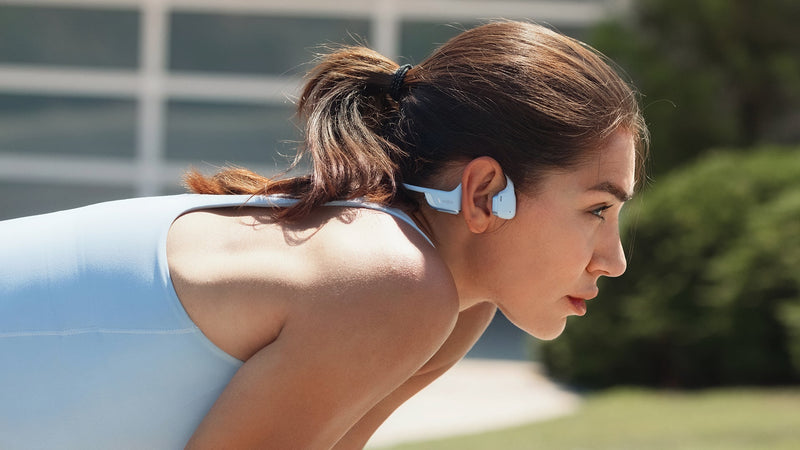
For runners who listen to audio during long runs, open-ear headphones offer a way to listen without covering the ear canal, so sounds from the surrounding environment can remain audible.
Shokz OpenRun Pro 2, for example, uses an integrated ear-hook and wraparound frame made with a nickel-titanium alloy to help keep the headphones in position during movement. For runners who want to listen to audio while still hearing what is happening around them, this design can make it easier to keep both in the same training setup. Its IP55 rating also provides protection against dust and water encountered during everyday training.
For longer sessions, fit and comfort still depend on the individual runner. It is worth checking whether the headphones stay in place, require repeated adjustment, or become uncomfortable as the run gets longer. A short test may not reveal how they feel after extended movement and sweating.
Validating marathon running gear for race day without overpacking
The aim is to narrow your setup to the gear that has already shown how it performs during training.
How to judge gear over distance
A useful test is to notice what happens as the run continues.
Does the gear shift once it gets wet? Do you need to adjust it repeatedly? Does it become distracting later in the session?
Marathon running gear should be evaluated across the duration you expect to use it, not only during the first few minutes.
What belongs in race-day kit versus training-only kit
Some gear is mainly useful for training. A larger hydration vest, extra storage, or a weather backup layer may be useful on unsupported long runs but unnecessary for a race with aid stations.
Race-day kit can be narrower: a tested shoe-and-sock combination, familiar apparel, a proven fueling plan, and accessories you have already used in training.
Which accessories are useful — and which are just noise
Extras are more useful when they address a problem you have actually encountered.
If an item has not shown a clear role during training, adding it to race day may simply create another thing to carry, adjust, or think about. Keep the setup focused on equipment that has earned a place through use.
Trusting Your Marathon Running Gear on Race Day
By race week, your setup should be based on what you have learned from training rather than on last-minute experimentation.
What “nothing new on race day” really means
It does not mean every item has to be old. It means important parts of your setup should have been tested.
Shoes, socks, hydration, anti-chafe products, storage, apparel, and any audio you plan to use should have been through the kinds of longer sessions that resemble how you expect to use them.
How a tested setup reduces surprises
A tested setup can reduce the number of gear decisions you need to make during the race.
You know where your fuel sits. You know whether your shirt causes friction. You have already checked how your socks, hydration setup, and accessories behave as the run gets longer.
Build your final checklist from evidence
The most useful marathon running gear checklist is usually built from your own training experience.
Start with the core items. Add gear that has addressed a specific problem. Remove extras that have not proved useful. By race week, the list should reflect what you have actually tested rather than everything that could potentially be packed.