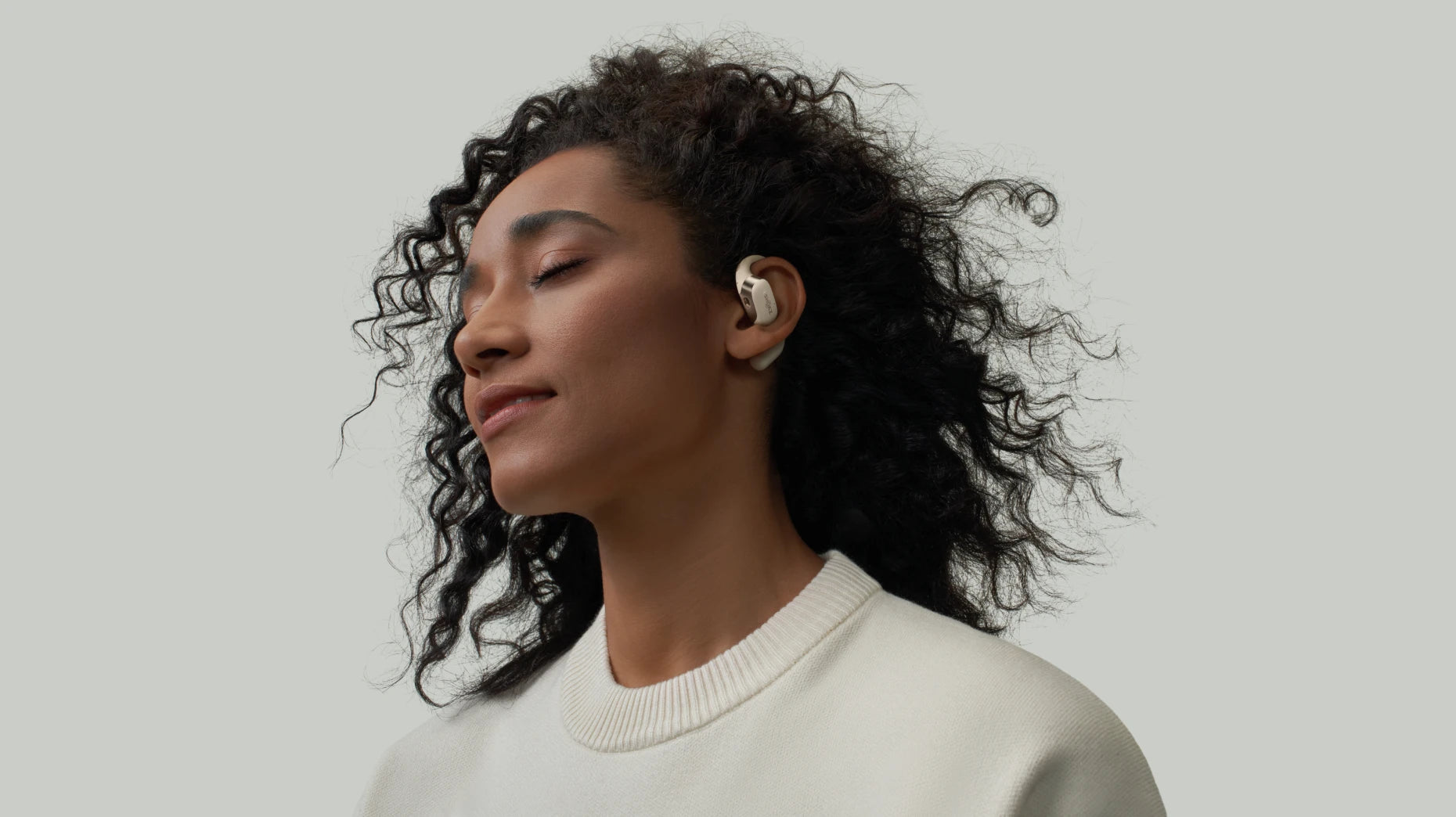
Open Back Vs Closed Back Headphones
Headphones today come in countless designs and styles. As you explore all the options, you’ll likely run into one big question: open back vs closed back headphones, what’s the difference, and which one suits your needs better? These two types vary in design and sound performance, making them suitable for different listening situations. This guide looks at the definition, the pros and cons of each type. We help you decide the right style for your lifestyle as an American listener, no matter whether you are at home, commuting, or hitting the trails.
What are Open-Back Headphones
Open-back headphones have vented ear cups. These cups let air and sound pass through freely. They do not fully seal your ears. This means you still hear some ambient noise around you. This design creates a spacious, natural listening experience. It also reduces the pressure that often builds up during long listening sessions.
Pros of Open-Back Headphones
Because of their open structure, these wireless headphones offer a listening style that feels natural. It feels airy and extremely comfortable.
Wide Soundstage: Their open design gives you a roomy, lifelike sound, almost like sitting in a concert hall rather than listening through headphones. You get better spatial accuracy and a more realistic sense of distance.
Lightweight Design: Most open-back models use lighter frames and breathable materials. This reduces pressure and heat buildup, making them excellent for long listening sessions
Natural Sound: With no sealed chamber to trap audio reflections, instruments and vocals sound more natural and true-to-life, delivering a sound quality unpacked experience that many feel is closest to live music.
Stylish Design: Open-back designs often look sleek and minimal, giving them a modern, high-end aesthetic.
Comfort Fit: Soft padding and airflow around the ears keep you cool and comfortable, even during hours of use at home or in a quiet studio.
Cons of Open-Back Headphones
They also have a few downsides that might matter depending on where and how you listen.
Sound Leakage: Because the cups are open, people nearby can easily hear your music. They’re best in private or quiet spaces.
Weaker Bass: Open-back models prioritize clarity and balance. While mids and highs sound great, the bass is usually less punchy compared to closed-back options.
What are Closed-Back Headphones
Closed-back headphones use sealed ear cups. They keep sound in. They block noise out. They are ideal when isolation matters. Think about watching movies. Think about commuting. Think about listening in shared spaces.
Pros of Closed-Back Headphones
Their sealed design offers several advantages. This makes them right for a wide range of environments.
Noise Isolation: The closed structure blocks outside distractions, so you can focus on your music or calls without cranking up the volume, useful for busy streets, buses, or the gym.
Enhanced Bass: Closed ear cups naturally amplify low frequencies, producing deeper, more powerful bass. Great for fans of hip-hop, EDM, pop, or cinematic soundtracks.
Versatility: Whether you’re gaming, commuting, recording, or watching movies, closed-back headphones perform consistently in just about any setting.
Cons of Closed-Back Headphones
They also come with trade-offs. You need to think about these.
Heavier Design: Extra padding and sealed construction can make them bulkier. Over time, you may feel slight pressure or warmth around your ears.
Less Natural Sound: Because the sound stays inside the chamber, some closed-back headphones create minor reflections that make audio feel less open or natural.
Ear Fatigue: Limited airflow can cause heat buildup, leading to mild ear fatigue during long listening sessions or gaming marathons.
Key Differences between Open-Back and Closed-Back Headphones
Both headphone types serve different listening needs. Here’s a quick comparison of open back headphones vs closed, highlighting how their design and performance set them apart.
|
Feature
|
Open-Back
|
Closed-Back
|
|
Sound Leakage and Isolation
|
Leaks sound; minimal isolation
|
Sealed cups; excellent isolation
|
|
Soundstage and Audio Imaging
|
Wide, airy, realistic sound
|
Tight, focused, in-your-head sound
|
|
Comfort and Ear Pressure
|
Breathable, cool, lightweight
|
Warmer, slightly higher pressure
|
|
Acoustic Structure
|
Vented grille design
|
Fully enclosed shell
|
|
Headphone Application Scenarios
|
Best for home, studios, quiet places
|
Great for travel, recording, or public use
|
Let's compare open-back vs closed-back headphones. It becomes clear that open-back models offer a natural sound. They give better airflow and a relaxed fit. These are great qualities for home use.
If you value those features, open-ear headphones offer similar benefits. They keep your ears open. They give you full situational awareness. They also stay comfortable for long listening sessions. This makes them a great, practical alternative.
Top 5 Open-Ear Picks as Alternatives to Open-Back Headphones
Open-ear headphones capture that same natural sound as open-back headphones while offering greater lightweight and portability. Shokz built its reputation on open-ear technology, offering comfortable, high-quality Shokz earbuds perfect for daily listening, workouts, and commuting. Here are five standout open-ear models. They work extremely well as alternatives to traditional open-back headphones.
OpenRun Pro 2 is built for active users who want comfort, deep bass, and clear vocals, all while staying aware of their surroundings. It’s ideal for running, gym sessions, and working from home.
Key Features:
-
Bone conduction and air conduction for immersive 3D surround sound
-
Advanced sound-leakage prevention keeps your audio private
-
Ergonomic one-piece ear hooks stay secure during intense movement
-
IP55 rated for sweat and outdoor weather
-
Windproof design + AI mic noise reduction for clean calls
-
Up to 12 hours of playback; fast charge provides 2.5 hours in just 5 minutes
OPENFIT 2+ uses a lightweight ear-hook design that sits comfortably around the ear, delivering premium open-ear sound for home use, commuting, or workouts.
Key Features:
-
Dolby Audio for rich clarity and fuller bass
-
Four preset + two custom sound modes
-
Only 9.4 g per ear for all-day comfort
-
Charging case provides up to 48 hours total playtime
-
Physical buttons + touch controls for easy operation
OpenRun offers a strong balance of durability, comfort, and performance. It’s a great pick for anyone who loves staying active outdoors.
Key Features:
-
8th-generation bone conduction for clearer audio and improved comfort
-
8 hours of continuous listening
-
IP67 waterproof rating for rain, sweat, and dust
-
Lightweight 26 g frame for long wear
Compact and stylish, OPENDOTS ONE features a clip-on open-ear design that looks good and feels extremely light. Despite its small size, it delivers impressive sound and strong functionality for everyday use.
Key Features:
-
Dolby Audio for rich, immersive sound
-
Compact drivers for surprisingly powerful output
-
Charging case offers up to 40 hours total playback
-
Multi-point pairing lets you connect to two devices at once
-
Elegant touch controls for smooth operation
OPENMOVE is an affordable, beginner-friendly open-ear bone conduction model that handles daily listening, music, podcasts, calls, movies, and light exercise, with ease. It’s lightweight, comfortable, and gives you a natural sound without blocking your ears.
Key Features:
-
7th-generation bone conduction delivers clear, balanced sound while keeping your ears open
-
IP55 sweat resistance for workouts and light rain
-
6 hours of continuous playback on a single charge
Tips for Using Open-Back Headphones
To get the best experience from your open-back headphones, keep these simple habits in mind:
Adjust Fit Properly
Make sure the headband sits evenly and the ear cups are centered. This improves comfort, stability, and overall sound.
Control Listening Volume
Use moderate volume levels to protect your hearing and maintain clarity during long listening sessions.
Limit Continuous Use
Taking short breaks every hour helps reduce ear strain and keeps you more comfortable.
Clean Regularly
Gently wipe ear pads and grills with a dry cloth to remove dust, sweat, and oils. Clean headphones simply last longer.
Store Safely
Keep your headphones in a case or pouch to prevent scratches, cable tangles, or impact damage during travel.
FAQ
Are open-ear headphones safe for outdoor activities?
Yes, they are safe. They keep you aware of traffic, cyclists, and pedestrians. This makes them ideal for running or walking in US cities.
Why do open-ear headphones sound better?
Their vented design lets air move freely. This creates a more open, realistic sound compared to sealed designs.
Are over-ear headphones better than on-ear headphones?
Generally, yes. They distribute pressure more evenly. This offers better comfort for long sessions. So over-the-ear headphones are better for you.
Can you hear outside noise with open-back headphones?
Absolutely. They’re designed to let ambient sound in, which helps awareness but reduces noise isolation.
Are closed-back headphones more comfortable?
They isolate sound well. But they trap heat and limit airflow. This means they can feel warmer during long use.
Conclusion
In the end, your lifestyle is the deciding factor, and you can choose between open-back vs closed-back headphones. Open-back models deliver natural sound. They offer comfort and an airy listening experience. Closed-back designs give you great isolation. They also hit hard with strong bass. Maybe you prefer that open, realistic sound. You want audio that feels totally alive. Options like OPENFIT 2+ or OpenRun Pro 2 nail that same open quality. They throw in extra comfort and everyday convenience.