Open-Ear vs Bone Conduction vs In-Ear Headphones: How to Choose

High-quality sound alone does not define a good headphone. Comfort and environmental awareness are equally important for daily use. We’re diving into the differences between open-ear, bone conduction, and in-ear buds, comparing their strengths and limitations, and helping you pick the right option for different listening needs.
What Are Open-Ear, Bone Conduction, and In-Ear Headphones?
Headphones are often classified by how they transmit sound to your ears. Each type uses distinct technology and offers different listening experiences. Instead of one being universally superior, each is suited to different needs.
1. What Are Open-Ear Headphones?
Open-ear headphones direct sound toward the ears without entering the ear canal. They use air conduction to transmit audio, leaving the ear open to surrounding sounds. The design typically includes lightweight frames or ear hooks to keep the headphones stable during movement.
2. What Are Bone Conduction Headphones?
Bone conduction headphones use transducers that vibrate the skull to transmit sound directly to the inner ear. The ear canal remains open, and audio reaches the cochlea through bone vibrations instead of air conduction. This design does not involve inserting anything into the ear.
3. What Are In-Ear Headphones?
In-ear headphones, also known as earbuds, sit inside the ear canal. They use small drivers to deliver sound directly to the eardrum and create a seal within the ear canal. This design keeps the headphones compact and allows them to stay in place during movement.
Open-Ear vs Bone Conduction vs In-Ear: Key Differences
Here’s a quick look at how each headphone type differs, followed by a detailed breakdown.
Quick Comparison
|
Feature |
Open-Ear |
Bone Conduction |
In-Ear |
|
Ear contact |
Outside ear |
Cheekbone |
Inside ear canal |
|
Sound delivery |
Air conduction |
Bone conduction |
Traditional drivers |
|
Environmental awareness |
High |
High |
Low |
|
Portability |
Good |
Good |
Excellent |
|
Sound quality |
Moderate |
Moderate |
Strong |
|
Best use |
Outdoor/active |
Outdoor safety |
Travel, commuting, music |
1. Sound Quality Comparison
-
In-ear headphones are great because they pack solid bass and really crisp details into something so small—perfect if you want that immersive listening experience.
-
Open-ear headphones give you clear audio without covering your ears, but the bass usually isn’t as deep or pronounced as in-ear models.
-
Bone conduction headphones’ big thing is safety and comfort—you stay tuned in to your surroundings—but the audio isn’t as deep or full-range as what you’d get from regular in-ears or over-ear headphones.
2. Noise Isolation and Sound Leakage
-
In-ear headphones fit snug inside your ear canal—they really cut down external noise and keep your music or calls private.
-
Open-ear headphones rest outside the ear, so environmental sounds can be perceived. Some sound may reach people nearby, depending on the volume and design.
-
Bone conduction headphones leave the ear canal open, allowing environmental sounds to be heard clearly. Some audio may also be audible to others, depending on volume and usage.
3. Situational Awareness and Safety
The main advantage of open-ear and bone conduction headphones is that your ears stay open, letting you hear traffic and surroundings clearly for safer outdoor activity. In-ear headphones block outside noise, which is great for immersion but limits situational awareness.
4. Comfort and Fit for Long-Term Use
Open-ear and bone conduction headphones don’t enter the ear canal, so they stay comfortable even during long work shifts or workouts. They usually fit securely without causing pressure or fatigue. In-ear headphones are compact and portable, but extended use can cause ear fatigue depending on ear shape and fit.
5. Portability and Everyday Convenience
Earbuds are the best if you value portability as they are usually small. Open-ear headphones are a bit larger but still convenient to take with you. Bone conduction ones are Bone conduction headphones are also relatively lightweight and compact, although their frame design can take up a bit more space than in-ear headphones.
Which Headphone Type Should You Choose?
The most suitable headphone type ultimately depends on how it fits into everyday use. For individuals who need to remain aware of traffic, conversations, or other environmental sounds while moving, maintaining situational awareness and comfort during activity is essential. In contrast, users who prioritize immersive audio or prefer a compact, space-efficient design may find other headphone types more appropriate for their needs.
1. Open-Ear Headphones for Comfort and Awareness
Open-ear headphones direct audio straight into your ears from the outside, without sealing the canal. You avoid the feeling of pressure common to other types, which allows for longer comfortable listening sessions. And the biggest advantage is that environmental sounds stay clear.
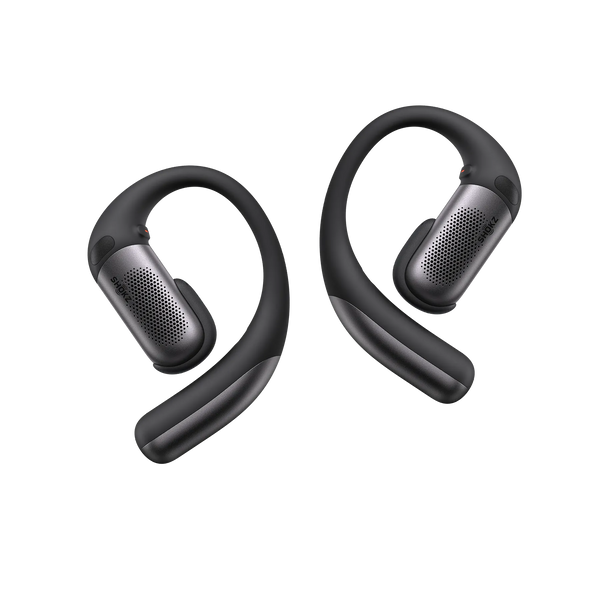
Shokz OpenFit Pro features an open-ear design that directs sound into the ears without blocking the ear canal, reducing pressure for long listening sessions. Titanium ear hooks plus the new Ultra-Soft Silicone 2.0 give a secure yet soft fit that doesn’t dig in. Beyond comfort, the headphones deliver superior sound with rich detail, powered by Shokz SuperBoost™ technology. And since the ears stay open, you pick up outside sounds easily—traffic during your commute, voices while walking, or background chatter in shared spaces.
2. Bone Conduction Headphones for Outdoor Safety
Instead of pushing sound into the ear canal, bone conduction headphones use vibrations along the cheekbones to reach your inner ear. That keeps your ears free and open, so outside noises aren't blocked at all. It helps a lot with safety on runs, bike rides, or walks in busy, traffic-filled areas.
Shokz OpenRun Pro 2 uses 10th-Gen DualPitch™ bone conduction technology to deliver clear audio without blocking the ears. Reduced vibrations make them comfy for long wear, and the flexible Ni-Ti memory wire with silicone keeps them securely in place. Because the ear canal stays open, you can hear traffic and your surroundings, staying safe while running, walking, or cycling outdoors.

3. In-Ear Headphones for Superior Sound Quality
If immersive sound and effective noise isolation are the primary priorities, in-ear headphones typically provide the most detailed listening experience. Their sealed fit within the ear canal supports clear high frequencies, deeper bass response, and effective reduction of external noise.
For example, the Technics EAH‑AZ100 Wireless Earbuds provide balanced audio with solid bass and a comfortable in‑ear fit. They feature adaptive noise cancelling and Dolby Atmos support for more detailed sound, making them a strong choice if crisp, immersive audio in a small package is the goal.
FAQ
1. Do Headphones Support Fast Charging?
Many modern wireless headphones support fast charging. In some models, charging for about 10–15 minutes can provide several hours of playback, although the exact performance depends on the battery capacity and charging technology used.
2. Are Bone Conduction Headphones OK with Glasses?
Bone conduction headphones can be a practical option for individuals who wear glasses. Their design rests on the cheekbones with a band that wraps around the back of the head, which typically avoids interference with the arms of eyeglass frames.
3. Do Open-Ear Headphones Work Well in Windy Environments?
Open-ear headphones can be a bit affected by strong wind since the ears remain open. But many of the newer models include wind-noise reduction or directional audio designs that help keep music and speech clearer even when you’re outdoors.
Conclusion
Picking wireless headphones ultimately depends on individual lifestyle and listening priorities. For those who like to spend time outdoors, bone conduction headphones may be more suitable, as they allow users to remain aware of traffic and nearby conversations. In contrast, individuals who prioritize sound quality and prefer to minimize external noise may find in-ear headphones to be the better option. Understanding the strengths of each design makes it easier to determine which type best fits everyday use.