Open-Ear, In-Ear, and Over-Ear Headphones Compared: Which Type Is Right for You?

Picking a pair of headsets seems simple - until you start comparing them. Some are great for workouts, while others are built for commuting or casual daily use. The biggest differences mostly come down to comfort, sound quality, portability, and how much of the outside world you can still hear.
In this guide, we’ll walk you through open-ear, in-ear, and over-ear headphones, how they work, and which one might fit your daily routine best.
Open-Ear, In-Ear, and Over-Ear Headphones Explained
Most headphones fall into three categories based on how they sit on or around your ears. That simple design choice changes both the sound and the overall experience.
1. Key Features of Open-Ear Headphones
Unlike earbuds, open-ear headphones sit just outside your ears instead of inside them. This means you can hear your music while still staying aware of what’s happening around you. They usually use lightweight frames or ear hooks to stay secure during movement. Many people choose this design for its comfortable fit and ability to keep environmental sounds audible during listening.
2. Main Characteristics of In-Ear Headphones
In-ear headphones, or earbuds, fit directly into the ear canal using silicone or foam tips. The seal helps keep sound contained while reducing some outside noise. Their compact size makes them easy to carry during daily use. However, some might find these less gentle on the ears since not every ear is shaped the same.
3. Key Features of Over-Ear Headphones
Over-ear models surround your ears with padded ear cups, which can help cushion external noise.
Their larger housing allows space for bigger drivers and padded ear cups. That’s why they’re popular for music lovers, gaming, and studio use - fit for focused listening in quiet spaces. Padded cups enhance comfort during longer sessions, though their bulk may be less convenient for active use.
Differences Between Open-Ear, In-Ear, and Over-Ear
Though all three types play music, they can feel and perform quite differently. The differences become clearer when we look closer.
Quick Comparison Table
|
Feature |
Open-Ear |
In-Ear |
Over-Ear |
|
Ear contact |
Outside the ear |
Inside the ear canal |
Around the ear |
|
Environmental awareness |
High |
Low |
Medium |
|
Portability |
Good |
Excellent |
Limited |
|
Sound depth |
Moderate |
Strong |
Very strong |
|
Best use |
Outdoor activity |
Travel & commuting |
Home or studio listening |
1. Sound Quality and Audio Performance
Sound quality depends on factors such as driver size, acoustic design, and how the headphones interact with your ears.
-
Open-ear usually delivers balanced audio, but because they leave the ear canal open, outside noise can mix with the sound. This open design may slightly reduce bass response and allow some audio leakage.
-
In-ear seals the ear canal, which improves clarity and bass in moderately noisy environments. However, their smaller drivers typically produce a narrower soundstage.
-
Over-ear uses larger drivers and surrounds the ears with padded cups, which can create a wider soundstage and deeper bass, though performance varies by model.
2. Noise Isolation vs Environmental Awareness
Different designs let in different amounts of outside sound.
-
Open-ear keeps the ear canal open, so environmental sounds remain clearly audible.
-
In-ear seals the ear canal, creating passive noise isolation that blocks a noticeable amount of outside noise and helps you focus in moderately noisy environments.
-
Over-ear reduces outside noise with padded ear cups. They usually provide more isolation than open-ear designs, though typically less than a tight in-ear seal, so some environmental sounds may still be noticeable.
3. Comfort and Long-Term Wearing Experience
How comfortable headsets feel often depends on your ear shape, the fit, and how long you plan to wear them.
-
Open-ear avoids pressure inside the ear canal, which many users find less intrusive during long listening sessions.
-
In-ear are small and lightweight, but after several hours, some users may feel mild pressure depending on the ear tips.
-
Over-ear cushions the ears with padded cups, making them easier to keep on for longer use. But they can feel warm or bulky during workouts.
4. Portability and Everyday Convenience
Portability varies based on design and size.
-
Open-ear is fairly portable, though ear hooks or frames take up slightly more space than earbuds.
-
In-ear is the most portable, easily fitting into pockets or small cases - ideal for commuting or travel.
-
Over-ear headphones are larger and require more storage space. Not a problem at home, but less convenient for on-the-go use.
Which Headphone Type Is Best for Different Situations
Here’s how each type performs in typical scenarios:
1. Open-Ear Headphones for Sports and Outdoor Activities
Open-ear headphones are ideal for outdoor workouts because they let music or podcasts play clearly while keeping you aware of your surroundings, which is essential for safety during running, cycling, or walking near traffic.
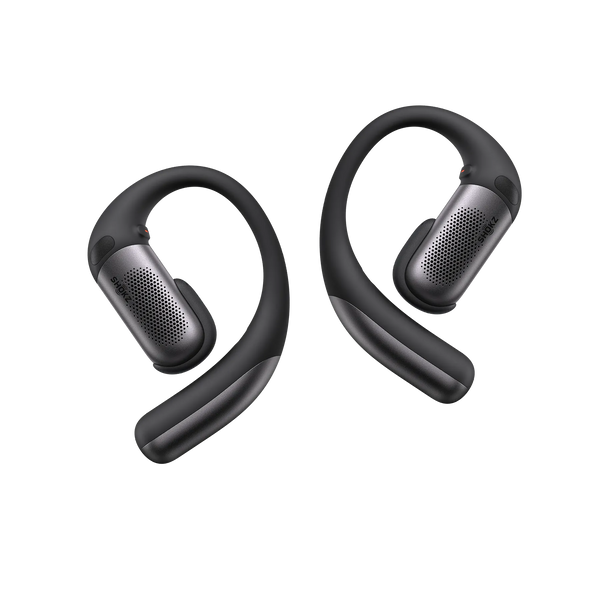
The Shokz OpenFit Pro combines a lightweight open-ear design with titanium ear hooks and Ultra-Soft Silicone™ 2.0 to stay secure and comfortable during intense exercise. Its Open-Ear Noise Reduction ensures clear, motivating sound without blocking environmental cues, making it easier to stay focused and safe throughout long training sessions.
2. In-Ear Headphones for Commuting and Travel
For commuting or travel, earbuds are often the easiest option. They’re small, easy to carry, and the sealed fit helps reduce background noise on trains, buses, or planes. Many models also include active noise cancellation, which makes them even more effective in busy environments.
3. Over-Ear Headphones for Music Lovers and Studio Listening
If your priority is sound quality, over-ear headsets are hard to beat. Their larger drivers produce deeper bass and a wider soundstage, creating a more immersive listening experience that many music fans prefer. They’re also popular for home listening or studio work. The trade-off is portability, as they are bulkier than the other two designs.
FAQ
1. Are In-Ear Headphones Bad for Your Hearing?
Not necessarily. The main risk comes from listening at high volumes for long periods. Keeping the volume within a safe decibel level and taking occasional breaks can help protect your hearing.
2. How Long Do Wireless Headphones Last on One Charge?
Battery life depends on the model and how it’s used. Wireless ones usually last 4-10 hours, while over-ear wireless headphones often provide 20-40 hours per charge. Features like active noise cancellation can also shorten the runtime.
3. What Is the 60/60 Rule for Headphones?
It means listening at no more than 60% volume for about 60 minutes at a time, then taking a short break. It’s a simple way to reduce long-term hearing strain.
Conclusion
Open-ear, in-ear, and over-ear all serve different purposes. Open-ear models prioritize awareness and comfort, making them ideal for outdoor activities. In-ear headphones prioritize portability, which makes them well-suited for commuting and travel. Over-ear headphones deliver the most immersive sound, making them popular for home listening. Which option works best depends on the listening environment, duration of use, and personal priorities such as sound quality, comfort, or convenience.