How to Identify Truly Effective Open Earbuds: The Complete Buying Guide

Open earbuds are having a moment right now. The appeal is simple: you get your audio without completely tuning out the world. But not every pair actually works that well. Some models slide around the moment you start moving. Others sound thin, like your music is coming from across the room. So how do you separate the good ones from the gimmicks? Let’s break down what actually matters so you can spot open earbuds that perform well in real life, not just on a spec sheet.
Why Open Earbuds Are Becoming a Practical Listening Choice
Traditional earbuds have always involved a bit of a trade-off. You either get immersive sound or you stay aware of what’s happening around you - but rarely both. Open earbuds try to strike a better balance.
1. Ear Discomfort from Traditional In-Ear Earbuds
If you’ve ever worn in-ear earbuds for hours, you probably know the feeling. After a while, your ears start to protest - pressure, soreness, and a slightly irritated “I need a break” sensation.
Open earbuds offer a more comfortable listening experience for extended periods. Instead of plugging the ear, they sit just outside it. No deep insertion, no constant pressure. For long listening sessions - think commutes, long calls, or a full workday at your desk - that small design change can make a surprisingly big difference.
2. Missing Important Environmental Sounds While Listening
Sealed earbuds are great at blocking noise, sometimes excessively. You might miss a train announcement, a car approaching from behind, or someone saying your name across the room. Open earbuds leave the ear canal unobstructed, so outside sounds can still reach you. You can enjoy music, podcasts, or navigation prompts while keeping a general sense of what’s going on around you.
3. Frequent Need to Remove Earbuds During Conversations
We’ve all done it. Someone starts talking to you, and you immediately pause the audio or pull out an earbud like you're unplugging from reality. It’s not a huge inconvenience - but it happens a lot. Open earbuds make those little interactions easier. Because your ears aren’t blocked, you can respond to coworkers, friends, or a cashier without doing the awkward headphone shuffle.
4. Need for a More Natural Listening Experience
Some people love the immersive feeling of sealed earbuds. Others find it a bit claustrophobic after a while. Open earbuds mix your audio with the natural sound of your surroundings, creating a more natural listening experience. Instead of feeling isolated, it’s more like your music is simply part of the environment. That makes long listening sessions feel more relaxed.
What Makes Open Earbuds Actually Effective
Not all open earbuds are equally effective. Getting comfort, stability, and clear sound right takes some smart design, and paying attention to these helps spot the ones that actually work well.
1. Comfortable and Secure Open-Fit Design
Good open earbuds should follow the natural curve of your ear instead of fighting against it. Lightweight frames and well-shaped earhooks help distribute pressure evenly. When the design is right, the earbuds stay put without squeezing or digging into your ear. The best pairs almost disappear after a while - you forget they’re even there.
2. Acoustic Technology That Minimizes Sound Leakage
Because open earbuds don’t seal the ear canal, controlling where the sound goes is incredibly important.
Without careful tuning, audio can spill outward, making it harder for you to hear clearly - and easier for nearby people to hear your playlist. Many models use directional audio technology to guide sound toward the ear.
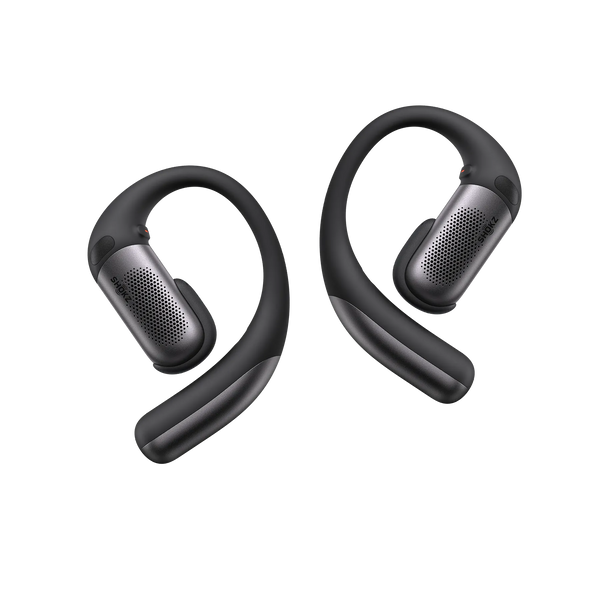
The Shokz OpenFit Pro, for example, uses DirectPitch™ 3.0 and open-ear noise reduction to keep audio focused where it belongs. The system adapts to surrounding noise and even tracks head movement, helping maintain clarity while still letting environmental sounds come through naturally. In other words, you hear your music - everyone else doesn’t have to.
3. Balanced Sound Quality Without Ear Canal Isolation
Since open earbuds don’t isolate the ear canal, sound tuning becomes especially important. A well-designed pair focuses on clear mids, natural vocals, and controlled bass. When everything is balanced properly, music and podcasts remain easy to hear, even with a little background noise around you.
4. Reliable Stability for Movement and Daily Activities
Even well-designed open earbuds can shift during movement, so stability matters. Features like flexible hooks, textured contact points, and lightweight frames help keep them in place while walking, commuting, or doing light workouts, reducing the need for constant adjustments.
How to Choose A Good Pair of Open Earbuds
At first glance, many open earbuds look nearly identical. But once you start using them, the differences become pretty obvious. Here’s what to pay attention to before choosing a pair.
1. Choose a Comfortable Design for Long Listening
When picking open earbuds, it helps to focus on how they perform in real use. Check for lightweight frames, flexible hooks, and smooth materials. A simple way to test: wear them for 20–30 minutes. If they feel heavy, slip, or need constant adjusting, they might not hold up for all-day listening.
2. Check the Driver Type for Better Sound Quality
The driver is the part that actually produces sound, so it plays a big role in audio quality. Larger or well-tuned drivers usually produce fuller sound with clearer mids and more natural vocals. Instead of focusing only on volume, listen for balance. Strong open earbuds keep voices crisp while maintaining stable bass that doesn’t distort.
3. Ensure Clear Call Quality with Advanced Microphones
For many people, earbuds double as everyday communication tools. Multiple microphones combined with noise-reduction algorithms help separate your voice from background noise. That means clearer calls when you're outdoors, walking down a busy street, or sitting in a noisy café.
4. Look for Stable Bluetooth Connectivity
Nothing ruins a listening session faster than constant connection drops. Modern earbuds using Bluetooth 5.4 or later generally provide stronger connections and lower latency. You should be able to move around - between rooms or down the street - without the audio cutting out.
5. Consider Durability and Build Quality
Open earbuds often come along for the ride during commutes, workouts, and travel. So durability matters. Sweat-resistant materials, reinforced hooks, flexible hinges, and a decent IP rating can help protect against sweat or light rain. Those little details make a big difference over time.
FAQ
1. Do Open Earbuds Require Pairing Each Time They Are Used?
Usually not. Most open earbuds remember previously paired devices and reconnect automatically once powered on.
2. Are Open Earbuds Suitable for People with Sensitive Ears?
It depends. Open-fit designs often reduce pressure and friction, which can make them a great option if you're searching for headphones for sensitive ears.
3. Can Open Earbuds Be Used While Cycling?
Yes. Many cyclists prefer them because the surrounding sounds remain audible. You can hear navigation prompts while still staying aware of traffic and nearby activity.
4. Do Open-Ear Earbuds Support Music Controls?
Yes. Many models include built-in controls. Functions such as play, pause, track skipping, and volume adjustment are often accessible directly on the earbuds—so you don’t need to grab your phone every time.
5. Can Open Earbuds Help Reduce Ear Pressure?
In many cases, yes. Since they don’t seal the ear canal, they usually avoid the pressure buildup that can occur with traditional in-ear designs.
Conclusion
Effective open earbuds strike a balance between comfort, sound quality, and everyday practicality. Knowing what to look for helps you pick a pair that fits your routine, whether commuting, taking calls, or enjoying music at home. The right open ear headphones make listening more enjoyable and less distracting, keeping you aware of your surroundings while fully immersed. Spending a little time choosing effectively pays off in long-term comfort and a better listening experience.