How to Choose the Most Comfortable Earbuds for Sensitive Ears

Having sensitive ears usually means earbuds start hurting way too soon, whether it’s from too much pressure or just general irritation. Finding 'the perfect fit' isn’t about the price tag; it’s about how the design and materials work with each person’s anatomy. This guide walks you through why certain earbuds can bother so much, how to choose a pair that’s actually comfortable, and some practical advice for keeping your long listening sessions pain-free.
Common Problems Sensitive Ears Experience With Earbuds
If your ears react easily, some earbuds can become uncomfortable in no time. Learning about the typical issues can guide you to models that reduce irritation and make listening easier.
1. Discomfort From Tight or Deep In-Ear Designs
When earbuds go too far in or fit too snugly, they often lead to localized pain after a while. For anyone with sensitive ears, that constant pressure or aching makes it pretty tough to enjoy your audio. That discomfort eventually distracts you from the listening experience.
2. Pressure or Fullness in the Ear Canal
Even if they fit fine, earbuds can still block air or hit sensitive spots, giving you that ‘high-pressure’ feeling. It really starts to add up the longer you wear them, until it’s all you can think about.
3. Skin Irritation or Itching Caused by Earbud Materials
Earbuds made of hard, scratchy, or non-breathable materials can cause discomfort. Symptoms such as redness, itching, or mild pain may occur, particularly for sensitive ears. Choosing soft, breathable, hypoallergenic earbuds can help reduce irritation and improve comfort during extended listening sessions.
How to Choose Earbuds That Are Comfortable for Sensitive Ears
If your ears are sensitive, the right earbuds can make a big difference in comfort and listening enjoyment. It’s important to consider their shape and materials to help reduce pressure and improve overall comfort.
1. Prioritize Ergonomic Earbud Design for Reduced Ear Pressure
Go for the lightweight, open-ear types or anything with a wraparound frame, as they're way better at balancing the weight. You won't get those annoying tender spots, whether you're on the train or hitting a hard workout.
2. Choose Gentle and Skin-Friendly Ear Tip Materials
Soft materials like memory foam or soft silicone are great for keeping your ears from getting irritated. Hard-coated plastics, though, don’t let your ears breathe and usually make them feel itchy and sore.
3. Look for Different Ear Tip Sizes for a More Secure Fit
It’s not uncommon for earbuds to come with various tip sizes or adjustable parts. Getting the perfect fit keeps them secure and stops them from digging into your ears, which can make your experience a lot better if you're active or listening for a while. A secure fit also helps maintain consistent audio quality.
4. Pay Attention to Ventilation and Pressure-Balancing Design
Those vented or open-ear designs are a fantastic choice because they let the air flow and balance out the pressure in your head. You won't get the feeling that happens when earbuds are inserted too deeply, which makes them way more comfortable.
Best Types of Earbuds for Sensitive Ears
If your ears are really sensitive, you have to pay attention to what kind of buds you get. There are actually a variety of options out there that stay comfortable during longer listening sessions.
1. Open Earbuds
Open-ear devices are the best bet for those with sensitive ears. They are placed outside your ear canal, which avoids the "clogged" feeling, and the ears can actually catch some air. Since nothing is being placed inside the ear canal, you don’t have to worry about friction or the building pressure, and they usually use pretty soft materials with comfort technology, so they don't dig in.
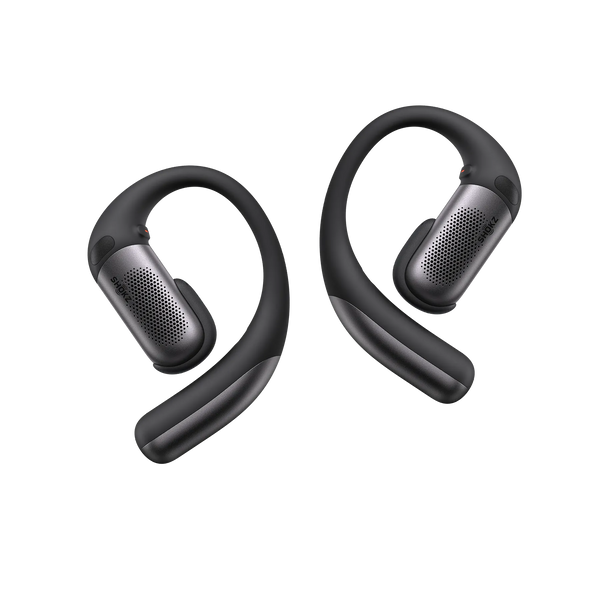
One good example is the OpenFit Pro, which uses ultra-thin ear hooks that basically mold to your ear shape. They’re made of an ultra-soft silicone™ 2.0, so they feel comfortable for any type of skin, even if you’re wearing them for hours. The best part is the open-ear design, which keeps the pressure off but still won't fall off while you're moving around.
2. Bone Conduction Headphones
The next option are the bone conduction devices, which are quite remarkable because they skip the ear canal entirely and go through your cheekbones. It’s a lifesaver if you hate things stuck inside your ear. It cuts down on that heavy vibration that usually makes your ears feel "tired" after a while.
The OpenRun Pro 2 features ergonomic ear hooks and a unibody frame that fit securely without pressing the ears. The integrated Ni-Ti alloy memory wire provides gentle clamping, while DualPitch™ technology combines bone conduction and air conduction, using air conduction to handle low frequencies and reduce vibration transfer. Together, these features help minimize ear strain and make longer listening sessions more comfortable for sensitive ears.

3. Semi-in-Ear Earbuds
If the hook-style design of bone conduction headphones is not preferred, semi-in-ear earbuds can be a suitable alternative. They occupy a middle ground by resting lightly in the outer ear rather than being inserted deeply into the ear canal.
Practical Tips for Improving Earbud Comfort
One thing is certain: comfortable earbuds are great, but choosing how to use them still matters a lot. Pick up a few smart habits, and you can skip the ear pain and keep listening for longer, in a way that you can actually enjoy your music or calls without hurting your health.
1. Wearing Earbuds at the Correct Angle for Natural Fit
When you put them in, don't just jam them in there. You want earbuds that follow the shape of your ear. Usually, a quick twist or slight adjustment makes them reach the right balance of security and comfort. It’s a good idea to check them occasionally, especially when moving, so your ears stay happy.
2. Lowering Volume Levels to Reduce Inner Ear Stress
Be mindful of volume levels. Keep audio at a comfortable level without causing strain or exceeding safe decibel level. A widely recommended guideline is the 60/60 rule—listen at no more than 60% volume and take a break after 60 minutes. Following this approach can help protect hearing over time.
3. Limiting Continuous Listening Time to Reduce Ear Strain
Make sure you take your earbuds out at least once every hour. It’s the perfect time to readjust and do some quick neck stretches to keep from getting stiff and allow your ears to have a quick break. This simple habit goes a long way in relieving pressure and stopping any discomfort before it starts.
4. Keeping Earbuds Clean to Prevent Skin Irritation
Keeping earbuds clean helps improve comfort and reduce skin irritation. Wiping them before and after use is usually enough, and silicone tips can be gently washed with mild soap. Make sure they are fully dry before using again. Avoid strong chemical cleaners, as they may damage the earbuds or irritate the skin. Maintaining clean earbuds is a simple habit that supports both comfort and safety.
FAQ
1. Do Glasses Affect the Comfort of Some Earbuds?
Yes, glasses can sometimes press against earbuds and cause mild discomfort. Earbuds with flexible hooks, clip-ons, or adjustable supports may fit more comfortably. Adjusting their position can also help.
2. Are Noise-Canceling Earbuds Suitable for Sensitive Ears?
It depends on your ears. Noise-canceling earbuds can create a bit of pressure, which sensitive ears pick up right away. Open-ear or lightly seated earbuds usually feel way more comfortable if you’re planning to wear them for a while.
3. Do Climate and Temperature Affect Earbud Comfort?
Yes. Climate and temperature can affect headphone comfort. Hot or humid conditions may increase sweat and friction, while cold weather can make ears more sensitive to pressure. Choosing lightweight or breathable wireless headphones can help maintain comfort in different environments.
4. Are Earbuds Suitable for Sleeping if You Have Sensitive Ears?
Usually not for long durations. Tight or deep-fitting earbuds can cause discomfort while sleeping, especially for side-sleepers. Ultra-light or open-ear designs may be tolerable for short naps or brief rest periods.
5. Do Different Music Genres Affect Ear Comfort?
Yes. If the music has a lot of heavy bass or if the audio is loud and compressed, the pressure and vibration in your ears will increase. A more balanced mix of sounds at a moderate volume will be a lot easier on your ears over time.
Conclusion
Managing sensitive ears can be challenging, but selecting earbuds that suit your needs may make listening more comfortable. Choosing open-ear or bone conduction designs, ensuring a proper fit, keeping the volume moderate, and taking short breaks can help make longer listening sessions easier and more sustainable.