Directional Audio vs. Traditional Speakers: Key Difference Explained

Tired of cranking music and bothering the whole house? Traditional speakers spread sound everywhere, but directional audio beams it right where you want. Understanding how each works and their ideal use cases helps you choose the optimal solution for work, entertainment, or public spaces. This guide covers key differences, applications, and practical tips for using both types effectively.
What Is Directional Audio?
Directional audio focuses sound toward specific spots while reducing spill into surrounding areas. You hear it clearly, while people outside the listening zone may hear very little. Unlike conventional speakers that flood a room, this keeps your listening experience tight and personal.
Technology for Focused Sound Transmission
Directional systems steer audio waves along controlled paths, carving out defined zones of sound. Step inside and you get crisp, immersive audio; step outside and it fades fast. That makes it ideal for private listening or cutting through the noise at busy venues.
Ultrasonic Parametric Speakers as the Core
Most setups rely on ultrasonic parametric speakers. They push out high-frequency ultrasound that only converts to audible sound along a narrow beam—hitting the target listener directly and dropping off sharply beyond that sweet spot. This creates a private, focused listening experience without disturbing others nearby.
What Are Traditional Speakers and How Do They Work?
Traditional speakers deliver sound evenly across a space, making them ideal for music, movies, or announcements. They convert electrical signals into vibrations that move air, filling the room so everyone can hear clearly. This wide coverage makes them well suited for shared or public environments.
From Signal to Sound
At their core, traditional speakers move air. Audio signals trigger motion inside the driver, creating sound waves that radiate outward. That's why people throughout the room can hear the same audio signal at roughly the same time.
Common Types of Traditional Speakers
Traditional speakers run the gamut from compact bookshelf units to beefy outdoor PA systems. You'll find dynamic drivers in most home setups, electrostatic panels for audiophile purists, and horn-loaded designs for venues that need serious punch. Different builds trade off between volume, clarity, and coverage, but they all share one trait: consistent sound across a wide zone.
What Are the Key Differences Between Directional Audio and Traditional Speakers?
While both directional audio and traditional speakers play sound, their design and how they impact the space around you set them apart. Knowing these differences helps you pick the right system for your specific needs.
|
Feature |
Directional Audio |
Traditional Speakers |
|
Sound Direction |
Focused toward a specific zone |
Spreads sound across the room |
|
Coverage |
Limited listening zone |
Wide area coverage |
|
Privacy |
Minimal sound spill |
Easily heard by others |
|
Noisy Environments |
Clearer for the target listener |
May require higher volume |
1. Sound Direction and Projection Control
Directional audio sends sound toward a target zone and controls its spread, so only folks in that zone hear it clearly. Traditional speakers send audio out wide, filling the whole room—making directional setups great for personal or focused listening, while traditional ones fit shared or public spaces.
2. Sound Coverage and Distribution
Traditional speakers are built to deliver consistent sound throughout a space, spreading audio in every direction. Directional audio, though, keeps sound confined to a set path, cutting down on audio bleeding outside the listening zone. This focused delivery keeps nearby spaces quieter and less disruptive to others.
3. Personal Listening Zones and Privacy
Directional audio lets you create personal listening spots by focusing sound in a narrow area. In shared spaces like offices, libraries, or retail displays, people in the target zone hear audio clearly—while those nearby barely notice it. Traditional speakers usually fill a room with sound, making it tough to keep listening localized or private.
4. Environmental Noise and Sound Interference
Directional audio focuses sound toward the listener, which can improve perceived clarity in noisy environments. Traditional speakers spread sound all over a space, so surrounding noise can mess with what listeners hear. In louder settings, this often means cranking up the volume just to keep the sound clear.
When Should You Use Directional Audio or Traditional Speakers?
When choosing between directional audio and traditional speakers, consider where the sound will be used and who needs to hear it. Different environments call for different audio setups.
1. Ideal Use Cases for Directional Audio
Directional audio works best when you need localized sound that doesn’t disturb the area around it.
Retail Displays and Digital Signage
Retail stores and interactive displays often use directional audio to send product info or promotional content straight to nearby customers. The sound stays close to the display, keeping the rest of the store quiet and free of extra background noise.
Smart Devices and Automotive Systems
In personal gadgets and car infotainment setups, directional audio keeps things tight. Navigation prompts, alerts, or your playlist hit the intended listener directly without drowning the whole cabin or room in sound.
Personal Workspaces and Office Pods
Open offices and quiet zones need audio that knows its boundaries. Directional audio locks sound to a specific zone—crystal clear if you're in the zone, barely a murmur to anyone nearby.
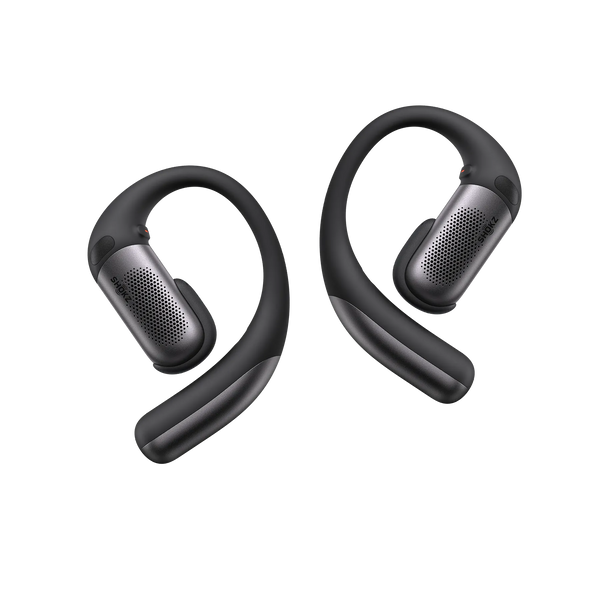
For a real-world example, check out open-ear headphones like the Shokz OpenFit Pro. It uses DirectPitch™ 3.0 technology to direct more sound toward you while reducing leakage into the surrounding area. The open-ear design keeps you aware of coworkers and nearby conversations during music, calls, or podcasts.
2. Ideal Use Cases for Traditional Speakers
Sometimes you just need to fill the room. Traditional speakers handle that job without breaking a sweat.
Conference Rooms and Meeting Spaces
Everyone needs to hear every word. Traditional speakers spread audio evenly, so whether you're at the head of the table or in the back row, you catch every slide and comment clearly.
Public Address and Announcement Systems
Schools, airports, and malls still run on traditional speakers to blast updates across sprawling spaces. Their wide throw cuts through the noise, reaching crowds instantly without fancy targeting.
Live Events and Entertainment Venues
Concerts, theaters, and stadiums typically rely on beefy speaker arrays to deliver the wallop these shows require. These setups blanket huge venues with consistent, powerful sound—front row or nosebleeds, you get the same experience.
FAQ
1. Does directional audio burn more power than traditional speakers?
Not always. It really comes down to the build and how loud you're running things. Some directional rigs pull a bit more wattage thanks to ultrasonic wave generation, but efficiency swings widely from model to model.
2. Can directional audio fully replace traditional speakers?
Not in every scenario. Directional audio nails tight, focused zones where sound needs to stay put. But try filling a banquet hall or rocking a live show with it, and you'll quickly see why traditional speakers still run the show for big spaces.
3. Do traditional speakers sound better for music?
Traditional speakers often perform well in shared spaces because they spread sound across a wider area, letting multiple listeners hear clearly. Directional audio still delivers crisp and detailed sound, but it works best in smaller, focused zones rather than filling an entire room.
4. How far can traditional speakers throw sound?
It depends on their size, power, and design. Beefier systems can fill a living room or small venue no problem, while compact desktop or smart speakers keep things intimate for personal listening up close.
5. Does directional audio mess with sound quality?
Directional audio does not compromise sound quality where it’s intended to be heard. Because it focuses sound in a narrow zone, areas outside this zone may hear less detail or volume—but this is a result of the design, not a drop in quality.
Conclusion
No single audio setup works everywhere. Directional audio and traditional speakers each have their sweet spots depending on how you actually use the space. Need focused sound in a shared office or noisy coffee shop? Directional keeps your audio in your lane. Throwing a party or filling a living room for movie night? Traditional speakers still bring that wall-to-wall coverage. Consider your space, your privacy concerns, and how you've got things wired up—then pick what fits.