Shokz OpenMove vs OpenRun: Which One Fits Your Routine Best?

Choosing between OpenMove and OpenRun usually comes down to how you plan to use them.
Maybe you want something for your morning commute, a walk around the neighborhood, or a few gym sessions each week. Or maybe your headphones are part of a more regular training routine — out on the road, through changing weather, and on days when a short charge needs to last a little longer.
Both are made for listening without closing yourself off from what’s happening around you. The difference is how well each one fits the way you actually spend your time.
OpenMove keeps things simple for everyday listening and lighter activity. OpenRun gives you more room for regular training, longer sessions, and less predictable outdoor conditions.
That makes the OpenMove vs OpenRun decision less about which one is simply better, and more about which one makes more sense for your routine.
Key Differences at a Glance
Once you look past the shared design, the differences that may matter most in everyday use are water protection, battery life, quick charge, charging, and weight.
|
Feature |
OpenMove |
OpenRun |
What it means in real use |
|
IP Rating |
IP55 |
IP67 |
Both can handle workout moisture; OpenRun offers more water protection. |
|
Battery Life |
6 hours |
8 hours |
OpenMove suits shorter sessions; OpenRun leaves more room for longer use. |
|
Quick Charge |
No |
Yes (10 min → 1.5 hrs) |
Useful when you need extra listening time before a workout. |
|
Charging |
USB-C |
Magnetic |
OpenMove uses USB-C charging, while OpenRun supports magnetic charging. |
|
Weight |
29g |
26g |
The difference is small, with OpenRun being slightly lighter. |
These differences may not matter much during a short commute or casual walk. They become more noticeable during longer workouts, outdoor use, or those moments when you need a quick charge before heading out.
Open Ear Headphone Audio: Where You May Notice a Difference
The two models follow a similar open-ear approach, but their sound can feel a little different in everyday use.
OpenRun comes across as a little fuller, particularly with music, while OpenMove remains well suited to podcasts, calls, commuting, and lighter workouts.
A Fuller Sound, Without Leaving the Open-Ear Format
OpenRun uses Shokz’s 8th-generation bone conduction technology, PremiumPitch 2.0+, while OpenMove uses an earlier implementation. In everyday listening, that can give OpenRun a fuller presentation and a little more presence with music, especially during longer training sessions.
Both models keep your ears open while you listen, helping you stay aware of conversations, traffic, and what’s happening around you.
As one Reddit user puts it, “Bone conduction technology is fantastic—it allows me to hear my surroundings clearly, keeping me safe while biking and working.”
For everyday listening, OpenMove can still be a comfortable choice, while OpenRun may appeal more to listeners who want a fuller sound for music-focused workouts.
Call Quality: More Similar Than Different
Both models include dual noise-canceling microphones, so call quality is not a major point of separation.
For calls while walking, commuting, or checking in before a workout, either model can fit the job. The more noticeable differences between OpenMove and OpenRun are elsewhere — particularly battery life, charging, and water protection.
OpenMove vs OpenRun: Bone Conduction Headphone Durability
This is one area where the two models are easier to separate.
OpenMove is rated IP55, while OpenRun is rated IP67. For everyday workouts, both offer protection against sweat and moisture, but OpenRun provides more protection when conditions get wetter or less predictable.
IP55 vs IP67, Explained in Real Life
OpenMove’s IP55 rating makes it suitable for sweat, splashes, light rain, and typical workout moisture. That can be enough for gym sessions, neighborhood runs, indoor cycling, and everyday commuting.
OpenRun’s IP67 rating offers a higher level of water protection. It can handle temporary submersion in up to 1 meter of water for up to 30 minutes. That doesn’t make it a swimming headphone, but it can provide more reassurance during heavier rain, trail runs, or messier outdoor workouts.
So, are Shokz headphones waterproof? It's more accurate to think of them as water-resistant, with different levels of protection depending on the model. Between these two, OpenRun has the stronger water-resistance rating.

Lighter on Paper, Easier to Forget in Use
OpenRun weighs 26 g, compared with 29 g for OpenMove.
Three grams is not a dramatic difference, and most people may not notice it immediately. During longer sessions, though, some users may appreciate the slightly lighter design.
OpenMove remains a practical option for active use. Weight is simply a smaller difference compared with the more noticeable gap in water protection and battery life.
OpenMove vs OpenRun: Battery Life and Charging Differences
Battery life is easy to overlook when you first compare the two. It becomes more relevant once you start using your headphones for longer stretches.
OpenMove: Simple USB-C Charging
OpenMove uses USB-C charging, which can be convenient if you already carry a USB-C cable for other devices.
Its 6-hour battery life can cover many everyday listening sessions without adding much thought to your charging routine.
OpenRun: More Battery, Plus Quick Charge
OpenRun offers up to 8 hours of battery life and supports quick charging, with 10 minutes of charging providing up to 1.5 hours of listening.
That extra battery headroom can be useful for longer workouts. Quick charge can also help when you realize your headphones are low on power shortly before heading out.
OpenRun supports magnetic charging, giving you more than one charging option depending on how you prefer to power it.
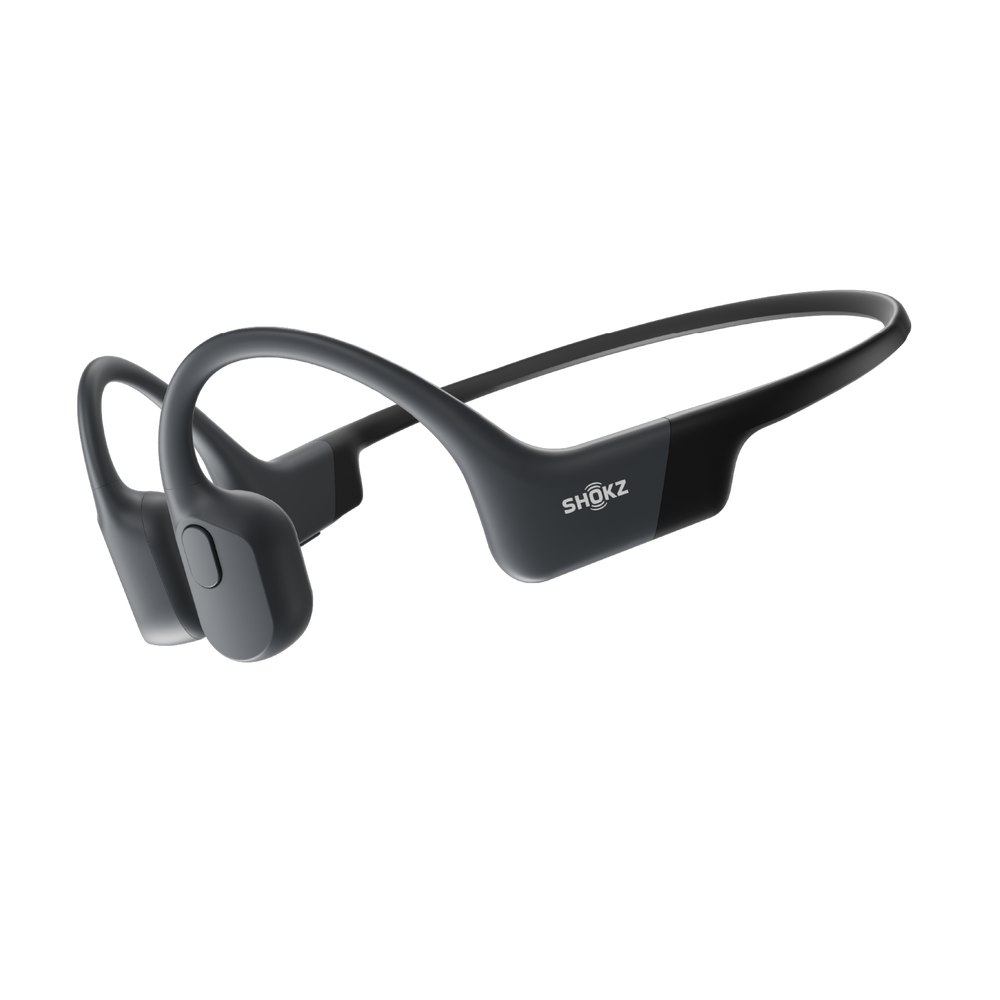
Which Shokz Headphone Fits Your Routine Best?
The better choice depends less on the feature list and more on where the headphones fit into your day.
|
Your Routine |
Better Fit |
Why |
|
Daily commuting and casual listening |
OpenMove |
Simple USB-C charging and enough battery for many everyday sessions. |
|
Gym workouts and shorter runs |
OpenMove |
Practical for regular activity without needing the extra battery headroom. |
|
Longer or more frequent training |
OpenRun |
Longer battery life and quick charge can be useful during extended routines. |
|
Outdoor training in wetter conditions |
OpenRun |
Higher water-resistance rating provides more protection in wet environments. |
|
You want more charging flexibility |
OpenRun |
Supports magnetic charging. |
FAQ
Is OpenRun better than OpenMove?
Not necessarily. OpenRun offers longer battery life, quick charge, and a higher water-resistance rating, while OpenMove may be a better fit for everyday listening, commuting, and shorter workouts.
Can I swim with OpenMove or OpenRun?
No. Neither model is designed as a swimming headphone. OpenRun's IP67 rating provides stronger water protection, but that does not make it suitable for swimming.
For dedicated waterproof headphones for swimming, you can also consider OpenSwim Pro, which is designed specifically for swim use.
Final Recommendation
OpenMove makes sense when your priority is straightforward everyday listening, commuting, and lighter activity. Its USB-C charging and 6-hour battery can fit many regular routines without adding much complexity.
OpenRun is worth considering when headphones play a bigger role in your training. Its longer battery life, quick charge, lighter weight, and higher water-resistance rating can be useful for longer sessions and more variable outdoor conditions.
Neither is the universal better choice. The right pick is the one that matches how often you train, how long you usually listen, and how much outdoor exposure your routine involves.