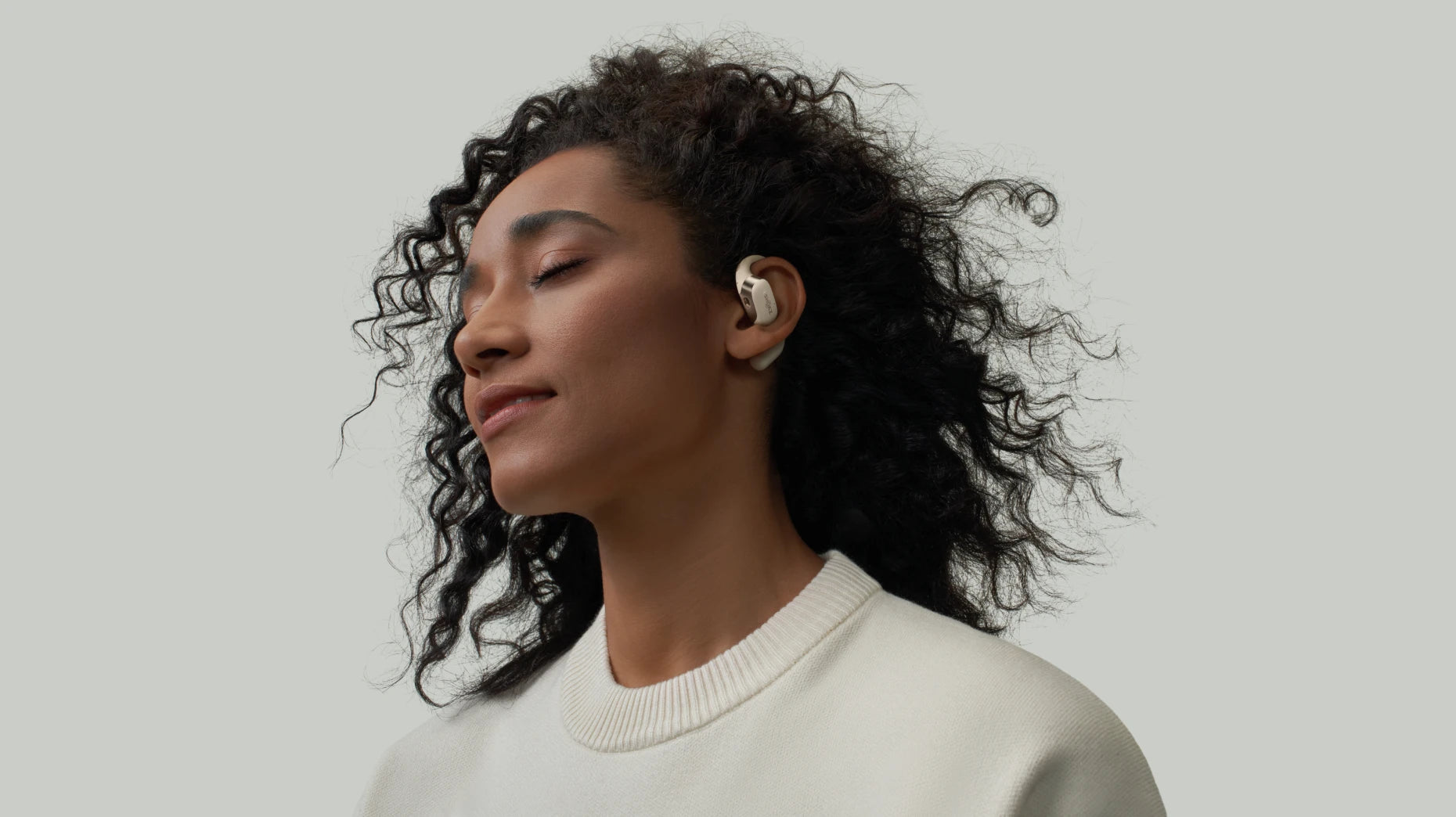
TWS Earbuds vs Neckband Earphones: Differences, Pros, Cons & Which to Choose
Choosing the right pair of earbuds can be difficult and confusing. So many choices ranging from fully wireless TWS (True Wireless Stereo) earbuds to flexible neckband earphones. You need to understand the differences to get the right comfort, sound quality, and daily convenience for you. This guide breaks down the main differences, gives some examples, and provides tips for picking the best option.
What Are TWS Earbuds and Neckband Earphones?
First, let’s compare the two, and explain what each design offers.
1. TWS Earbuds: Fully Wireless Earbud Design
TWS earbuds are self-contained with no cables. They offer maximum portability and freedom of movement. They fit directly in the ear canal or hook around the outer ear. They are well suited for short listening sessions, commuting, or on-the-go use.
There are no cables, so no problem with tangling issues. However, their fit and stability will depend on your own ear shape and the specific design of each model. Try them first.
2. Neckband Earphones: Flexible Band-Based Design
Neckband earphones use a flexible band that rests on the neck, with cables that connect the band to the earbuds. This design generally includes a larger battery, so you get longer listening times, and sometimes better connections.
The attached cables make sure you don’t drop or lose an earbud while moving around or just taking one off for a break. The controls are easy to locate and use on the neck band. The microphone is conveniently located there too for better pick up.
What Is the Difference Between TWS Earbuds and Neckband Earphones?
In order to pick between TWS earbuds and neckband earphones, you need to compare their comfort, audio quality, and just how you'll use them. Let’s look at key differences.
1. Comfort and Wearing Experience
TWS earbuds are compact and lightweight. They are perfect for shorter sessions and on-the-go use. However, how they fit your ear can vary, as well as stability during intense movements. Neckbands may be slightly bulkier, but provide more stability and are often better for longer, active use.
2. Sound Quality and Audio Performance
Both types offer excellent sound quality, but neckbands often include larger audio drivers and extra features like enhanced bass. TWS earbuds still deliver clear sound quality, though they may have less bass depth due to their smaller design.
3. Microphone and Call Quality
Neckbands usually have larger microphones. This makes them better at picking up voices clearly in noisy environments. TWS earbud microphones may pick up more background noise, although today’s models do better now, especially in quieter settings.
4. Connectivity and Signal Stability
TWS earbuds and neckband earphones differ in Bluetooth stability, especially during movement.
TWS Earbuds: Because TWS earbuds sit directly in the ear, they are more susceptible to signal interference from the body. The human body absorbs 2.4 GHz signals, which is the frequency used by Bluetooth. When the phone is in a pocket, the body can block or weaken the signal, leading to occasional dropouts, especially with movement.
Neckband Earphones: The antenna in neckband earphones is integrated into the band, which rests on the neck or collarbone. This design reduces body interference by positioning the antenna away from the body, providing a more stable connection and fewer signal drops during physical activity.
5. Losing and Storage Convenience
TWS earbuds are smaller, and some are just the small earbud piece. Consequently, they are easier to misplace. Neckbands are less likely to be lost because there’s not only the earbuds but also the neck band. They take up a bit more space in your bag, but are easier to find too.
6. Battery Life and Charging Methods
Neckbands generally offer longer battery life, since they can house larger batteries. TWS earbuds, though smaller, often deliver comparable battery life and come with a charging case for convenient recharging. Some TWS models also feature wireless charging.
7. Ideal Use Cases for Each Type
TWS Earbuds – Best for Daily Commuting and Travel
TWS earbuds are ideal for daily commuting and travel. Their carrying cases are small and easily fit in a pocket or purse to take with you. The case is also handy to use for recharging during the day, so they last all day.
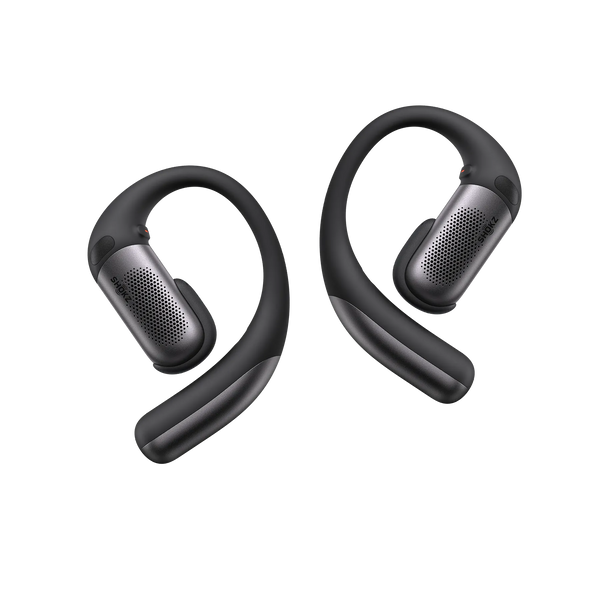
Open-ear designs, like the Shokz OpenFit Pro, give you a comfortable fit plus allow awareness of the surrounding environment for more safety. They deliver dynamic, clear sound with SuperBoost™ technology, and rich bass with Shokz OpenBass 2.0. Calls in noisy environments are still clear with its AI-powered triple-mic technology. Battery life with the charging case is up to 50 hours, and they have wireless charging for extra convenience.
Neckband Earphones – Best for Sports and Workouts
Neckband earphones are often used for sports and workouts because they offer a stable and secure fit. The flexible neckband helps distribute weight and keeps the earbuds connected, reducing the chance of losing them during movement.
Neckband earphones often include larger batteries for extended listening without charging. Controls are usually placed on the neckband or inline module, making it easier to adjust volume or change tracks during exercise. Some designs also position the microphone along the cable, which can help maintain clear voice pickup during calls.
How to Choose the Right Earbuds for Your Needs
Picking the best earbuds for you depends on your listening habits and where you’ll use them. Here are some practical tips:
1. Consider Your Ear Shape and Design Preference
You should try some models with adjustable tips, ear hooks, and flexible frames. Test their fit and stability by putting them on so they fit comfortably. Then move your head all around, jog in place, and do a few squats. The earbuds should stay comfortably in place without any extra pressure points.
2. Consider Indoor and Outdoor Listening Needs
Think about where you’ll use them the most. Outdoors, open-ear headphones designs help you stay aware of traffic or people nearby. On the other hand, sealed TWS earbuds tend to block out noise around you so you hear only your audio.
Consider what’s more important for you. You can do a quick test by playing music at moderate volume and see if you can still hear your surroundings, or are you isolated.
3. Balance Stability and Everyday Convenience
Decide if portability or a secure fit matters more. For example, TWS earbuds are easy to take with you in a pocket or bag. Neckbands won’t fit in a pocket, but can be carried around your neck or in a bag. Depending on your activity, neck bands usually stay put better. Try them on and wear them while walking or jumping to see how stable and convenient they both feel.
4. Check Battery Life and Additional Features
The battery life should match your daily routines. A simple check is to track how long you typically listen in a day and make sure the earbuds cover that without recharging. Also, look for extras like wireless charging, multi-device pairing, and noise management.
FAQ
1. Do Neckband Earphones Work Well for Long Flights?
Neckband earphones stay comfortable during long flights, keep earbuds secure during movement in the cabin, and their larger batteries support uninterrupted listening throughout the journey.
2. Are TWS Earbuds Ideal for Short Breaks and Quick Listening?
TWS earbuds are compact and easy to always be with you. They’re handy to pull out and catch a podcast, during a commute, or for quick calls.
3. How Long Do TWS Earbuds Usually Last on a Single Charge?
TWS battery life is typically 4 to 10 hours per charge. However, using features like active noise control or high volume may shorten this. Most models include a charging case that can extend total listening time beyond a single charge.
4. Do Neckband Earphones Allow Easier Music Control?
The neckband earphones have controls on the neckband, such as buttons or touch panels. These are typically easier to access than small controls on most TWS earbuds.
5. Are TWS Earbuds Good for Video Conferencing?
Most TWS models will capture voices clearly and can work well for video calls. Although background noise and where the microphone is located may affect the quality of the call.
Conclusion
Both TWS earbuds and neckband earphones have their advantages. TWS models are best for portability. They’re more discreet, and very good for shorter listening sessions. Neckbands offer longer battery life, more stability, and sometimes offer enhanced audio features. Once you define where and how you will use the earbuds, you can match these needs to the best type of earbuds. Also, be sure to take a test drive to check the comfort and fit.
Author Information

guides on Shokz
Related Posts