Are Bluetooth Headphones Bad for You: What You Need to Know
Bluetooth headphones are now a staple of daily life, whether you’re commuting on the New York subway, squeezing in a workout, or just walking around Central Park. The convenience and freedom they offer reflect no wires, no hassle.
However, the same key feature, wireless signal transmission, has sparked ongoing discussion and concern: Are Bluetooth headphones bad for you? It’s normal to wonder about the safety of the signals near your head. Actually, current evidence does not indicate proven health risks from Bluetooth headphones when used within safety standards. We are here to dismantle the myths. By understanding how Bluetooth signals work, it becomes clear that this technology is safe.
Why Are Bluetooth Headphones Not Bad for You?
Concerns about Bluetooth headphones often stem from awareness of radiation. Understanding the basic technology behind them makes it clear why major health organizations worldwide, including those in the U.S., recognize Bluetooth as safe.
Extremely Low Bluetooth Radiation
So do wireless headphones emit radiation? Truly, yes, but at levels so low that they hold no medical relevance. A standard Bluetooth device operates at a maximum output of about 2.5 milliwatts (mW), which falls far below the threshold linked to health risks.
Non-Ionizing Radiation Exposure
Bluetooth devices only emit non-ionizing radiation. Operating at low frequencies, this type of energy is harmless because it lacks the strength to damage cells or DNA (the mechanism required to cause disease). It is the same safe type of radiation used by Wi-Fi and radio broadcasts.
No Proven Health Risks
Regulatory organizations, like the U.S. FCC and the WHO, have investigated radiofrequency electromagnetic fields (RF-EMF) for decades. According to their assessments, current scientific evidence has not established that compliant wireless devices, including those using Bluetooth technology, cause adverse health effects when operated within applicable exposure limits. Concerning cancer risk, existing research has not provided conclusive evidence linking everyday RF exposure from consumer wireless devices to cancer.
Lower Radiation Than Phones
Bluetooth headphones emit substantially less radiation than your phone does. In fact, if you’re concerned about wireless signals, your phone, regulated and considered safe, produces far stronger waves than any headset ever will.
Important Things to Consider When Using Bluetooth Headphones
Current evidence suggests that Bluetooth headphone emissions are unlikely to pose health risks under normal use. However, radiation is not the only consideration; other everyday factors also matter for overall safety.
1. Protect Hearing by Limiting Volume
Hearing damage is a real concern, not from Bluetooth signals, but from prolonged exposure to high volume. To protect your hearing, a widely advised method is the 60/60 Rule: listen at no more than 60% of maximum volume for up to 60 minutes at a time. This often corresponds to sound levels around 70 decibels, commonly regarded as a more conservative reference for extended listening.
2. Maintain Earbud and Ear Hygiene
Cleaning earbuds is often overlooked, but it's essential. Since they rest inside the ear canal, they can trap moisture and earwax, creating a breeding ground for bacteria. Properly storing and maintaining your wireless earbuds, like wiping them down with a soft cloth or alcohol pad, helps keep them clean and safe for everyday use.
3. Stay Aware of Surroundings Outdoors
Whether commuting, working, or working out, it's easy to get lost in your audio. But blocking out all sound can be dangerous. Stay alert to traffic, horns, emergency sirens, and people around you. Always prioritize situational awareness to ensure your safety and the safety of others around you.
When you need to stay aware of what’s going on around you, the Shokz product line consistently champions open-ear listening. You can enjoy premium sound quality and clear calls, all while still hearing the world, no need to shut it out. Here are two Shokz models that fans love, each suited to different ways you like to listen.
OpenFit 2+
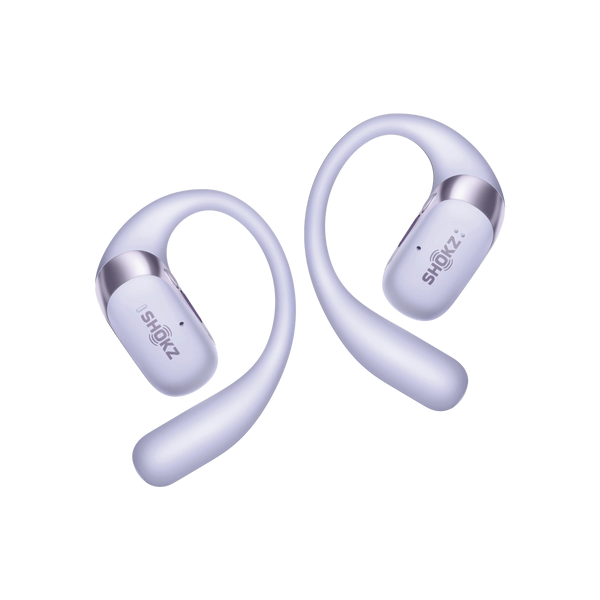
OpenFit 2+ is an open-ear headphone, so you can have a natural listening experience while still hearing what’s happening around you.
The ergonomic ear hook design gently follows the shape of your ear, making it easy to forget you’re wearing them, even during long workouts or work sessions. It allows you to balance ambient sound and high-quality music, whether you are exercising, working, or relaxing.
-
Dynamic Audio: Thanks to Dual Boost Technology and Dolby Audio, the bass feels full and punchy, while the mids and highs stay crisp and clear.
-
Extended Battery Life: Provides up to 11 hours of playback per charge, totaling 48 hours from the charging case as a backup.
-
Durable and Secure: With an IP55 rating, it withstands sweat and light rain, so you can wear it through intense workouts or sudden weather changes without worry.
OpenRun Pro 2
For anyone who lives for the outdoors, Shokz open earbuds such as the OpenRun Pro 2 feel purpose-built for an active lifestyle. The one-piece ear hook fits snugly and stays secure mile after mile, even during intense runs or long rides. With an open-ear design, you can enjoy your music while still hearing the world around you, helping you stay aware and safe without compromising comfort or sound quality.

-
Vibration-Free Audio: Thanks to DualPitch™ Technology, annoying vibrations are kept to a minimum level. That means a clearer listening experience for you.
-
12-Hour Battery: Provides 12 hours of continuous music and calls, ideal for long endurance activities.
-
Sweat-Proof Durability: With an IP55 rating, it withstands heavy sweat and light rain, so you can tackle outdoor challenges with ease.
4. Ensure Stable Bluetooth Compatibility
Few things are more annoying than a Bluetooth link that keeps cutting out. These interruptions often happen when the headphones and device use different Bluetooth versions or outdated firmware. To avoid that, ensure your headphones are compatible with your device's latest Bluetooth standard.
5. Practice Proper Battery Care
Improperly charging or using damaged batteries poses small risks, like overheating. Always use the charger provided by the manufacturer and avoid exposing the headphones to extreme heat or physical damage. A little care goes a long way in keeping them safe and lasting longer.
Signs You're Using Headphones Unhealthily
Headphones aren’t dangerous by themselves. It’s how we use them that can cause trouble, like discomfort or even long‑term hearing strain. Keep an eye out for the following red flags.
Frequent Ear Discomfort or Pain
If your ears regularly feel sore, itchy, or painful after wearing headphones, that’s a sign to pause. It could mean they don’t fit quite right (too tight or too loose) or you’ve simply been wearing them too long. Your ears need breaks, so try adjusting the fit or cutting back on listening time.
Using High Volume to Combat Noise
If you find yourself cranking up the volume just to drown out background noise, say, on a busy train or bus, you’re exceeding safe listening levels. Do not compensate with volume. Relying on higher volume in noisy settings may affect both listening safety and awareness of your surroundings.
Experiencing Headaches or Pressure
Aching heads or the pressure feeling in your ears often come from a bad physical fit, overly tight over‑ear cups, or simply listening too loudly. When these happen, step away from the headphones for a good while. Giving your ears and head proper rest helps the discomfort fade and keeps listening enjoyable.
Noticing Reduced Hearing Sensitivity
This is the most critical sign. If you experience temporary muffled hearing, ringing (tinnitus), or difficulty hearing after use, you are causing damage. This is a clear signal to reduce your volume and duration to protect your hearing.
Bluetooth vs. Wired: Safety and Practical Considerations
Picking between Bluetooth and wired really comes down to balancing convenience with a tiny difference in radiation exposure.
Differences in RF-EMF Exposure
Wired headphones give you essentially zero radiofrequency (RF‑EMF) exposure. Bluetooth ones do emit a small amount, but both sit well below international safety limits and are considered safe by experts. The question, is Bluetooth bad for you regarding radiation, is answered with a firm "no" for both options.
Practical Usage and Convenience
For most people, the convenience of wireless technology vastly outweighs the minor RF-EMF difference. Wired options, while RF-EMF-free, introduce physical restriction and snagging hazards. Bluetooth wins hands‑down when you’re moving around, working out, or just living an active life.
Overall Health Risk Assessment
When it comes to headphones, the main health concern for both wired and wireless headphones is the chance of noise-induced hearing loss. The good news is you can manage that risk by keeping an eye on volume levels and taking breaks, not by worrying over whether you choose Bluetooth or a cord.
FAQs
Is Bluetooth bad for your brain?
Not really. According to science, the low‑power, non‑ionizing radiation from Bluetooth isn’t strong enough to reach or harm brain tissue.
Does Bluetooth cause cancer?
Bluetooth emits non‑ionizing radiation, which lacks the energy to damage DNA or kick‑start cancerous changes. The idea that Bluetooth causes cancer is a myth. It’s not backed by research or by health agencies.
How long can you safely use Bluetooth headphones each day?
There is no strict, scientifically proven time limit based on the Bluetooth technology itself. The limit is based on preventing hearing fatigue. If you adhere to the 60/60 rule (keep 60% volume for 60 minutes at a time) and take regular breaks, you can safely use the best wireless Bluetooth headphones for many hours a day.
Is Bluetooth safe for pregnant women and infants?
Yes. Because Bluetooth gives off extremely low, non‑ionizing radiation, it’s regarded as safe for everyone, including pregnant women and babies.
Conclusion
The good news is that you can keep enjoying your wireless listening without worry. Are Bluetooth headphones bad for you? Not in the scary ways some people imagine. Fears about radiation or cancer just aren’t backed up by current scientific evidence.
What really matters is this: whether wired or wireless, the biggest health risk from headphones comes from listening too loud for too long. If you practice safe listening habits, maintain hygiene, and use the technology wisely, Bluetooth headphones are a safe, handy way to keep the soundtrack going through your busy American life.
Author Information

guides on Shokz
Related Posts