Are Bone Conduction Headphones A Secure Fit For The Gym?

Bone conduction headphones can be useful in the gym, but their suitability depends on more than whether they remain on the head.
A complete workout may include treadmill running, incline walking, cycling, kettlebell exercises, circuit training, standing strength work, bench presses, hip thrusts, abdominal exercises, and floor movements.
Because these activities place different demands on a headphone’s fit, the evaluation should consider whether the headphones stay attached, shift during particular exercises, require frequent readjustment, or create pressure, pain, or distraction.
Quick Read:Are Bone Conduction Headphones Suitable For Gym Workouts?
The position of your head and body during exercise can be an important factor, but fit should also be assessed alongside head shape, accessories, workout duration, sweat, and gym noise. Bone conduction headphones may suit cardio and other upright activities, while their experience can change when the back of the head contacts a bench, mat, or machine headrest.
-
Will they fall off? They may remain attached during running, cycling, kettlebell work, and standing exercises, although movement can vary with head shape, workout intensity, and accessories.
-
Will they stay in the same position? Not necessarily. Bench presses, hip thrusts, floor exercises, and head-supported movements may push the rear structure upward or cause minor shifting.
-
Will they remain comfortable? Initial comfort may change as the workout continues. Sweat, glasses, hats, headbands, hair, and longer wear can affect friction, pressure, and the need for adjustment.
-
Who may appreciate them? They may suit people who prefer open-ear listening, want to retain some environmental awareness, and mainly perform upright workouts.
-
Who should test them carefully? People whose routines include frequent bench or floor work, headrests, heavy sweating, pressure sensitivity, or a need to hear spoken audio clearly in a noisy gym.
A useful decision is not simply whether the headphones stay on. It is whether they remain predictable and unobtrusive throughout the exercises you actually perform.
Secure Fit And Comfortable Fit Are Different
“Secure” should not be treated as a single result. A practical assessment separates four experiences.
1. Staying Attached
The headphones remain on the head and do not fall off during the exercise.
2. Moving During Exercise
The headphones may slide, rotate, or move upward even though they remain attached. Small movement may be acceptable for one person but distracting for another.
3. Needing Readjustment
A fit may appear stable at the beginning but require repositioning between sets, after a transition, or when sweat increases.
4. Creating Pressure Or Distraction
Pressure around the cheekbones, behind the head, near the ears, or against a bench can affect concentration even when the headphones remain in place.
This distinction is especially important for long sessions. A pair that stays on during a short treadmill test may still become uncomfortable during a full strength workout.
How Different Gym Exercises Change The Fit
Running, Incline Walking, And Cycling
Upright cardio generally creates fewer contact problems because the back of the head does not repeatedly meet a bench or pad.
During treadmill running and incline walking, the frame may remain positioned around the head while the transducers sit near the cheekbones. However, running impact, speed changes, head movement, and individual head shape can affect how much the headphones shift.
A short walk may not reveal movement that appears during faster running. Testing should therefore include the speed and incline normally used in training.
Cycling may provide a similar fit, particularly on a stationary bike. Outdoor cycling adds wind, road vibration, helmet compatibility, and traffic noise. These factors may affect both physical stability and audio clarity.
Kettlebell And Circuit Training
Kettlebell swings, carries, goblet squats, and circuit transitions combine repeated movement, bending, changes in direction, and a rising heart rate. These conditions may expose fit changes that are not noticeable during a gentle warm-up or steady treadmill walk.
A wraparound frame may feel relatively stable during upright kettlebell and circuit exercises, particularly when the head remains free from benches, mats, and other supports.
However, rapid transitions, repeated bending, and larger head movements can make the frame more noticeable for some people. The fit may also feel different when exercises are performed continuously rather than as isolated sets.
Standing Strength Training
Standing presses, cable exercises, squats, and dumbbell movements usually leave the back of the head unsupported. This may make a rear-band design easier to tolerate than during head-supported exercises.
Even so, large head movements, glasses, hats, and hair may change the fit. People should observe whether the headphones remain in the same position and whether they become noticeable during repeated sets.
Bench Presses
Bench presses create a different fit condition because the back of the head repeatedly contacts a bench.
A rear-band structure may be pushed upward or pressed toward the head when the people lies down, adjusts the shoulder position, or returns to the bench between sets. The headphones may remain attached, but the contact can still make the frame more noticeable than it is during treadmill work or standing exercises.
The effect may depend on the bench’s padding, angle, and head position. Some people may notice only brief contact during setup, while others may find that repeated pressure affects concentration or makes the headphones uncomfortable over a longer session.
This is why a stable result during upright training should not automatically be treated as evidence that the same fit will work well for bench-based exercises.
Hip Thrusts, Abdominal Exercises, And Floor Work
During hip thrusts, the head may remain supported while the body moves repeatedly. During lying abdominal exercises, the back of the head may rest directly on a mat or padded surface.
Floor movements can create pressure or contact that does not appear during cardio. Mat thickness, neck angle, head position, and the shape of the support surface can all affect the result.
A treadmill test therefore cannot predict comfort during every supported exercise. If these movements are a significant part of a workout, they should be tested directly.
Machines With Headrests Or Back Cushions
Headrests and padded machines introduce another contact point. Their height, angle, firmness, and shape may push the rear structure upward or alter its position.
This does not mean the headphones are unsuitable for all machine work. It means the exact machine and body position should be included in the assessment.
Sweat, Training Duration, And Head Accessories
Protection Rating Is Not The Same As Comfort
A device’s protection rating mainly relates to its tolerance of sweat, moisture, and water exposure. It may affect confidence in reliability during regular exercise and long-term use.
It does not determine whether the headphones will feel comfortable, remain in exactly the same position, or avoid pressure during a long workout. Protection against moisture should therefore be considered separately from physical fit.
How Sweat And Humidity Affect The Fit
Sweat and humidity may change:
-
skin contact;
-
friction against the skin or hair;
-
minor sliding;
-
the visibility of pressure points;
-
the need for readjustment;
-
cleaning and drying requirements.
Sweat may not immediately cause every wraparound design to move, but moisture can change the contact feel, friction, and need for readjustment depending on the product, the people, and the workout.
After training, clean the contact areas according to the manufacturer’s instructions and allow the headphones to dry before storage.
Glasses, Hats, Headbands, And Hairstyles
Glasses can add contact around the ears and temples. Hats may change where the rear structure sits. Headbands may increase friction or push the frame against the skin. Hair length and hairstyle may affect stability or cause hair pulling.
These effects are individual. The most useful test includes the accessories and hairstyle used during a normal workout rather than evaluating the headphones by themselves.
This guide on how to wear bone conduction headphones explains the basic positioning before you assess the effect of glasses, headwear, or hairstyles.
How Comfort Changes During A Longer Workout
A time-based assessment can help distinguish the initial fit from comfort during extended wear, but the relevant duration depends on the user’s normal workout.
At the beginning of the session, focus on the initial position, pressure, hair contact, and whether the listening volume feels comfortable. As the workout continues and sweat increases, observe whether friction, minor movement, or the need for adjustment becomes more noticeable. During the later stages of training, consider whether pressure, pain, or distraction has built up and whether the headphones still feel acceptable.
The purpose is not to apply a fixed time limit or produce a universal product result. It is to identify whether comfort changes over the length and conditions of the user’s own routine.
How To Decide Whether The Fit Works For Your Routine
A useful decision framework should reproduce the conditions of normal training rather than rely on a short, quiet trial.
A fit may work well enough when the headphones remain attached, movement is limited, adjustments are infrequent, pressure does not build, and the audio remains acceptable at a comfortable volume.
A different design may deserve consideration when bench contact repeatedly moves the rear structure, floor exercises create pressure, accessories make the fit crowded, spoken audio is difficult to follow, or repeated adjustments interrupt the workout.
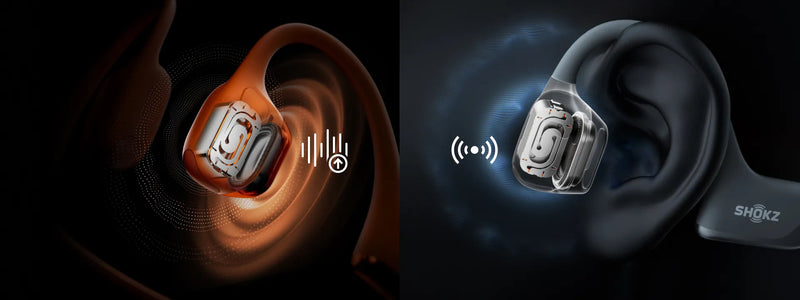
For people whose routines mainly involve running, walking, cycling, kettlebell exercises, and other upright workouts, the Shokz OpenRun Pro 2 may be worth considering. Its open-ear bone-conduction design, nickel-titanium alloy frame, and silicone components are intended to support a comfortable listening experience during movement.
For people who prefer to stay connected to their surroundings without the plugged-up feeling associated with some in-ear headphones, it may be a natural option to explore. Trying it with the accessories, sweat levels, workout duration, and movements that reflect your routine can help you get the most relevant sense of fit.
Final Verdict
Bone conduction headphones can be a reasonable fit for gym people whose routines are mainly upright and who value an open listening experience. Their suitability becomes more individual when workouts involve frequent head support, equipment contact, heavy sweating, accessories, or demanding audio conditions.
The key is whether the headphones remain unobtrusive throughout the routine you actually perform. If they become a recurring source of pressure, adjustment, or distraction, their physical stability may not be enough to make them a comfortable choice.
A realistic trial using your normal exercises, accessories, workout duration, sweat level, and gym environment will provide a more useful answer than a short test in isolation.