Best Wireless Earbuds for Small Ears: A Buying Guide for Sensitive Ears and Narrow Ear Canals

For people searching for wireless earbuds for small ears, the problem often comes down to design rather than a lack of trying. Traditional earbuds rely on a combination of ear tip size, nozzle shape, and outer-ear fit. For users with narrow ear canals, sensitive ears, or shallow outer ears, finding a comfortable fit can be difficult even when the smallest tips are available.
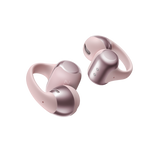
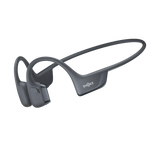
Shokz offers two open-ear options worth comparing: OpenDots ONE and OpenRun Pro 2. Both avoid the need to insert an earbud into the ear canal, but they use different wearing mechanisms. OpenDots ONE sits externally around the ear, while OpenRun Pro 2 uses a wraparound frame that rests around the head. The right choice depends on where you experience discomfort, how you plan to use your headphones, and how each design fits your ears.
If repeated fit problems have made conventional earbuds frustrating, comparing these two designs can help narrow down your options.
Why Conventional In-Ear Earbuds Can Be Difficult to Fit
Most in-ear earbuds offer several tip sizes. Small, medium, large. Swap, test, repeat. For some small-ear users, however, changing the tip size does not resolve the underlying fit problem.
The ear canal may be too narrow for the nozzle to feel comfortable, even with the smallest tip. The outer ear may also be too small or shallow to support the earbud body securely. In some cases, both factors contribute to the problem.
Common fit issues include:
-
The nozzle may feel too wide for the ear canal.
-
The earbud shell may press against the concha or tragus.
-
A tight seal may cause pressure or discomfort over time.
-
Movement may loosen the fit or break the seal.
One Reddit user described their experience this way: “No in ear buds have ever fit right or been comfortable for any length of time. They always fall out or hurt my ear canal. So I only own over the ear headphones. I’ve tried Bose, Samsung, pixel, airpod. All useless to me.”
This is one example of how fit problems can persist across different brands. For some users, trying another ear tip is enough to help. For others, a design that does not rely on canal insertion is worth considering.
Comparing Open-Ear Options for Small Ears
For everyday listening, calls, and commuting, Shokz OpenDots ONE offers an externally worn alternative to conventional in-ear earbuds. For running, cycling, and gym sessions, Shokz OpenRun Pro 2 uses a wraparound frame that does not depend on ear canal fit.
Neither design is guaranteed to suit every small ear. The main difference is where each product rests against the body and how it stays in place.
OpenDots ONE for Everyday Listening and Calls
An External Fit Without Ear Canal Insertion
OpenDots ONE is worth considering if conventional earbuds cause discomfort inside your ear canal and you want a design for work, commuting, calls, podcasts, and casual listening.
It uses DirectPitch™ open-ear technology and sits externally rather than requiring an ear tip to be inserted into the canal. This removes the need for an in-canal seal, but it does not eliminate all possible sources of discomfort. The earbuds still contact the outer ear, so the shape of your ear and the position of that contact can affect how they feel.
This distinction is especially relevant for people with sensitive ears. If your main problem is pressure from an ear tip or earbud nozzle, an external design may address that specific issue. If the discomfort comes from pressure against the outer ear, the fit may still be unsuitable.
Small ear canals and small outer ears are also different fit considerations. Someone who struggles with ear tip insertion may find an external design worth trying, while someone whose outer ear has limited space may still need to check how the earbuds sit and feel.
A Shopify reviewer described their personal experience this way: “I have Eustachian tube dysfunction in my right ear and most headphones that go into the ear canal cause too much pressure and will block out the sound. […] I have never had a more comfortable headphone in my life. I love that I don’t have to worry about them falling off and they’re so comfy I forget they’re on.”
This is an individual account, not a guarantee of the same experience for other users. It illustrates why wearing position can be an important factor when comparing headphones, particularly for people who find in-ear designs uncomfortable.
What to Consider Before Choosing OpenDots ONE
The main appeal of OpenDots ONE is that it does not require an ear tip or an in-canal seal. That can make it worth considering if insertion and canal pressure are the main problems you want to address.
There are trade-offs. Open-ear listening provides less passive noise isolation than a well-sealed pair of in-ear earbuds. Background conversations, traffic, and other environmental sounds may remain audible, depending on listening volume and the surrounding noise level. That can be useful in some everyday settings, but it may also make it harder to hear your audio clearly in a noisy commute or busy office.
Before buying, consider whether your discomfort comes from inside the canal or from contact with the outer ear. Also think about how long you typically listen, whether you need stronger noise isolation, and whether the external fit feels comfortable after adjustment.
OpenDots ONE at a Glance
-
DirectPitch™ open-ear technology
-
External wearing design without ear canal insertion
-
A fit option for people who prefer not to use in-ear tips
-
Contact with the outer ear may still affect comfort
-
Up to 10 hours of listening time per charge and up to 40 hours with the charging case
-
IP54 dust and water-resistance rating
-
Worth considering for work, commuting, calls, and everyday listening
OpenRun Pro 2 for Running and Workouts
A Wraparound Fit That Does Not Depend on Ear Canal Size
If your main frustration is earbuds shifting or falling out during exercise, OpenRun Pro 2 offers a different approach.
Instead of resting around the ear opening like OpenDots ONE, it uses a wraparound frame with a titanium structure that sits around the back of the head. This keeps the wearing mechanism independent of ear canal size and ear tip fit. Its suitability still depends on how the frame and contact points feel during use.
OpenRun Pro 2 is worth considering for runners, cyclists, and gym users who prefer a wraparound fit. Before buying, check whether the frame feels comfortable and works with your glasses, helmet, or other gear.
Battery Life and Features for Longer Training Sessions
OpenRun Pro 2 offers up to 12 hours of battery life per charge, which may suit longer workouts and training sessions without requiring a recharge midway through. Actual listening time can vary with settings and use.
It also has an IP55 rating for dust and water resistance. This provides a defined level of protection against dust and water exposure, but it should not be interpreted as making the headphones waterproof or suitable for swimming.
The sound experience also differs from that of traditional sealed earbuds. OpenRun Pro 2 uses 10th-generation bone conduction technology and Shokz DualPitch™ technology, combining bone conduction and air conduction drivers. The design delivers audio without requiring an earbud to seal the ear canal, but the listening experience will not be identical to that of in-ear models with strong passive isolation.
Because the ear canal remains unsealed, some surrounding sounds may still be audible. How much you hear depends on the volume, background noise, and other conditions. Open-ear listening does not guarantee that you will notice traffic or other potential hazards, so it remains important to pay attention to your surroundings during outdoor activities.
OpenRun Pro 2 at a Glance
-
10th-generation bone conduction technology
-
Shokz DualPitch™ technology combining bone conduction and air conduction drivers
-
Wraparound frame with a titanium structure
-
Up to 12 hours of battery life per charge
-
IP55 dust and water-resistance rating
-
Worth considering for running, cycling, gym sessions, and other active use
How to Choose Wireless Earbuds for Small Ears
The most useful starting point is to identify where your current headphones cause discomfort. From there, compare the wearing mechanism, contact points, battery life, and listening environment.
Start With the Wearing Mechanism
OpenDots ONE sits externally around the ear, while OpenRun Pro 2 uses a wraparound frame that rests around the back of the head.
If you prefer individual earbuds without a band around your head, OpenDots ONE may suit your wearing preferences. If you want a frame-based design for exercise and do not mind the band, OpenRun Pro 2 is worth comparing.
Neither option can be judged by ear size alone. The fit also depends on the shape of your outer ear, the position of the contact points, and your preference for a frame or an external ear-worn design.
Check the Contact Points, Not Just the Size
Small ear canals and small outer ears create different fit challenges.
If ear tips or nozzles cause pressure inside the canal, a design that avoids insertion may be worth trying. If the earbud body presses against the concha or tragus, check where an external design rests against your ear. If you prefer not to rely on the ear itself for support, a wraparound frame offers another approach, although its own contact points still need to feel comfortable.
When possible, check the product's fit guidance and return policy before buying. Product dimensions alone cannot confirm whether a particular design will suit your ears.
Match Battery Life to Your Routine
Battery life matters most when it matches your typical listening sessions.
OpenRun Pro 2 provides up to 12 hours per charge, which may be useful for long runs, extended training sessions, or days when you do not want to recharge between activities. For shorter listening periods spread throughout the day, the wearing mechanism and everyday comfort may carry more weight in your decision.
For either model, remember that actual battery life can vary depending on use and settings.
Consider Your Listening Environment
Open-ear designs leave the ear canal unsealed, so surrounding sounds may remain audible. However, they provide less passive noise isolation than sealed in-ear earbuds, and the amount of environmental sound you hear depends on the volume and conditions around you.
If you regularly listen in noisy public spaces and prioritize isolating your audio from background noise, sealed in-ear earbuds may be a better match for that preference, provided you can find a comfortable fit. If avoiding ear canal insertion is more important, an open-ear design may be a worthwhile trade-off.
For outdoor exercise and commuting, do not assume that an open ear canal guarantees awareness of nearby traffic or other hazards. Keep the listening volume and surrounding conditions in mind when deciding where and how to use your headphones.
Common Questions About Wireless Earbuds for Small Ears
Do I Need Smaller Ear Tips?
Not necessarily. If you are comparing OpenDots ONE and OpenRun Pro 2, neither relies on an in-ear tip to hold the headphones in place.
That removes ear tip size as a fit variable, but it does not guarantee comfort. OpenDots ONE still contacts the outer ear, while OpenRun Pro 2 rests around the head. The relevant question is whether the wearing mechanism addresses the source of your discomfort.
How Do I Know If an Open-Ear Design Is Worth Trying?
An open-ear design may be worth considering if:
-
Even the smallest ear tips feel tight.
-
Earbuds create pressure inside your ear canal.
-
You frequently need to readjust earbuds during normal movement.
-
The earbud shell presses against your outer ear.
-
You want to avoid inserting an ear tip into your ear canal.
These experiences can help you identify the problem, but they do not automatically establish which model will fit. If your discomfort comes mainly from the outer ear, pay particular attention to where each design makes contact.
Are These Headphones Suitable for Sleeping?
Neither OpenDots ONE nor OpenRun Pro 2 is specifically designed for sleep. OpenDots ONE still rests against the outer ear, and OpenRun Pro 2 has a frame that wraps around the head. Either design may feel uncomfortable when lying on your side, depending on your sleeping position and fit.
If you want headphones for sleeping, look for a design specifically intended for that use rather than assuming an open-ear structure will be comfortable in bed.
What If the Fit Still Does Not Work?
Return and exchange policies depend on the retailer and purchase terms. Check the policy before buying, particularly if you have returned headphones because of fit issues in the past.
Where possible, try the headphones for a short period in the situations you expect to use them, following the retailer's return conditions. Pay attention to pressure at the contact points, whether the fit shifts during movement, and whether the design works with your usual glasses or exercise equipment.
Which Shokz Model Should You Choose?
OpenDots ONE and OpenRun Pro 2 address different wearing preferences rather than offering a universal solution for small ears.
Consider OpenDots ONE if you want individual, externally worn earbuds for work, calls, commuting, and casual listening, and your main concern is inserting tips into a sensitive ear canal. Check that the external contact points suit your ear shape and remember that open-ear listening offers less passive noise isolation.
Consider OpenRun Pro 2 if you prefer a wraparound frame for running, cycling, and gym sessions, and want a fit that does not depend on ear canal size. Its 12-hour battery life can also suit longer training sessions, but the frame itself needs to feel comfortable alongside your other gear.
The deciding factor is not simply whether you have small ears. It is where your current headphones cause discomfort, which wearing mechanism you prefer, and what trade-offs you are willing to make in noise isolation, fit, and everyday use.