Do DIY Earbud Fixes Actually Work to Stop Them from Falling Out ?

You are three miles into a great run when you feel that familiar, slight wiggle. For the next mile, you are constantly pushing and twisting the bud back in, completely throwing off your rhythm. Frustrated, many of us try to salvage our workouts by attempting homemade fixes like grip tape or custom foam.
But do these DIY earbud hacks actually hold up once you start sweating, or are they just a temporary bandage? This guide breaks down why standard earbuds slip, evaluates popular quick fixes, and explores whether upgrading your headphone design makes more sense for your routine.
Why Do Earbuds Fall Out During Workouts?
Before altering your gear, it helps to understand why earbuds refuse to stay put in the first place. The issue usually comes down to simple physics working against you.
-
The Impact Factor: Every footstrike during a jog sends a shockwave up your body. Traditional earbuds rely heavily on the friction between the silicone tip and your ear canal. When the jarring force of a sprint or a jump is greater than that friction, the bud naturally wiggles loose.
-
The Sweat Factor: As your workout intensifies, body heat rises. Sweat and natural skin oils act as a lubricant inside the ear canal. This significantly reduces the grip of standard silicone tips, making slip-outs incredibly common just when you are pushing your hardest.
It is not just workouts, either. Even everyday jaw movements from looking down, chewing, or smiling can gradually push earbuds out. But do homemade fixes actually solve this?
Do DIY Fixes Actually Keep Earbuds from Falling Out?
Most of us do not jump straight to DIY hacking. We usually spend weeks swapping silicone tip sizes, endlessly adjusting angles, or searching online for quick remedies before finally breaking out the tape. So, do these homemade alterations actually work?
The Logic Behind DIY Fixes
Most DIY hacks rely on simple physics to stop your earbuds from slipping. The main goal is usually to increase friction. People typically achieve this by adding textured materials for surface roughness, or by expanding the contact area to create a tighter, more secure physical wedge.
Common DIY Fixes to Keep Earbuds in Place
Here is how people typically modify their earbuds:
-
Medical Tape: Wrapping a thin strip of textured waterproof tape around the smooth plastic housing of the earbud to give it more grip against the outer ear.
-
Swapping to Memory Foam Tips: Replacing standard silicone tips with aftermarket memory foam that expands to fill the exact shape of the ear canal.
-
Adding Silicone Wings: Stretching third-party silicone hooks or fins over the earbud body to wedge it against the cartilage of the ear.
When They Help
Desk Work, Commuting, and Light Activity: People initially feel these hacks work. In low-sweat, stationary scenarios, tape or foam provides a temporary grip boost.
Where They Fall Short
High-Intensity Cardio, Heavy Lifting, Hot Weather: The security fades quickly. Sweat causes tape adhesive to slip and foam to lose its seal. Meanwhile, added silicone wings often create sustained pressure and discomfort. It does not take long to realize these temporary fixes rarely hold up.
Pros and Cons of DIY Earbud Fixes
Pros: Cheap, uses common household items, and can offer a slight grip boost for stationary, low-impact tasks.
Cons: These makeshift solutions are often frustrating and messy. Tape leaves sticky residue, while foam degrades fast. Constantly touching your ears to readjust is distracting, and modified earbuds frequently look bulky, improvised, and unappealing.
A More Reliable Way to Keep Earbuds in Place
After watching DIY fixes fail, many realize the fundamental in-ear design itself is the problem. This leads active people to explore open-ear headphones for a more logical solution.
Why Open-Ear Headphones Offer a More Secure and Comfortable Fit
Open-ear headphones do not rely on jamming a piece of silicone into your ear to stay put. Instead, they use an ear-hook design, a wraparound band, or even a clip-on style that rests gently on the outer ear.
This largely mitigates the battle between sweat and friction. Because nothing goes inside the ear, you generally avoid ear fatigue, maintain excellent situational awareness, and get a fit that stays planted regardless of your activity level.
Best Open-Ear Headphones for a Secure Fit
Choosing a purpose-built design based on your specific daily routine yields much better results.
For Daily Commutes and Gym Workouts: Shokz OpenFit Pro
For schedules that bounce between the office, home, and the gym, an open-ear headphone built for both daily routines and light workouts is typically your best move.
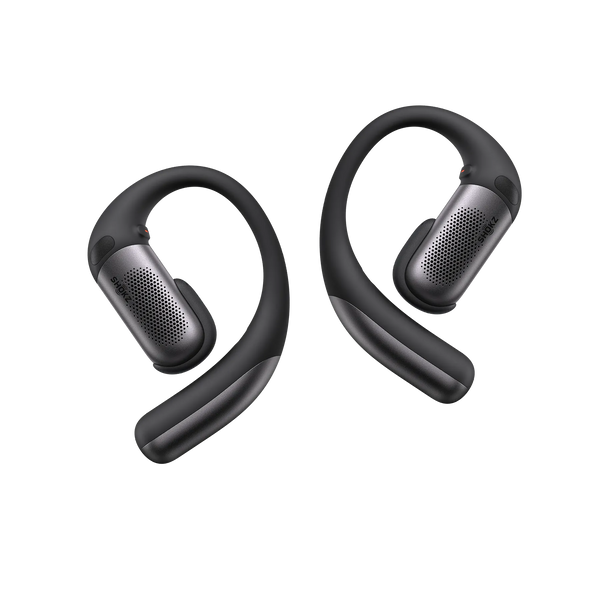
The Shokz OpenFit Pro is highly recommended for this kind of lifestyle, utilizing a secure ear-hook design that rests gently on your ear.
Why it fits this routine:
-
All-Day Comfort: A flexible Ni-Ti memory alloy frame wrapped in soft silicone ensures the earbuds stay securely and comfortably in place without causing ear fatigue during long shifts.
-
Reliable Power: With up to 50 hours of battery life, you rarely have to worry about your gear dying in the middle of a busy workweek.
For High-Intensity Running and Sports: Shokz OpenRun Pro 2
If your training involves logging heavy miles, tackling trails, or powering through sweaty HIIT sessions, you may need audio gear built for aggressive movement.
Shokz OpenRun Pro 2 is a great option for these intense scenarios, utilizing a wraparound titanium frame that anchors securely behind your head.
Why it fits this routine:
-
High-Impact Stability: The lightweight ergonomic frame rests over your ears, designed to stay comfortably locked in place through jarring footstrikes and heavy moisture.
-
Sweat and Weather Resistance: Featuring an IP55 rating, the durable build is designed to handle heavy sweat, humidity, and unexpected rain showers without skipping a beat.
-
Dynamic Audio: It leverages advanced DualPitch™ technology (a blend of bone and air conduction) to deliver clear, rich sound without relying on a tight, uncomfortable inner-ear seal.

How to Wear Open-Ear Headphones for a Secure Fit
Even with a superior design, proper usage ensures maximum comfort and audio quality. Here is how to wear open-ear headphones correctly.
Wipe Away Sweat and Oil Before Wearing
While open-ear designs don't rely on inner-ear friction, keeping the skin around your ears and temples relatively dry before putting them on helps prevent silicone ear hooks from sliding during sudden head movements.
Adjust the Angle for a Better Fit
For wraparound models, ensure the transducers sit flat against your cheekbones, just in front of the ear opening. For independent ear-hook models, gently rotate the hook until the weight is evenly distributed along the top of the ear. If using a clip-on style, secure it gently to the ear cartilage where it feels most natural.
Use Layered Wearing with Glasses or Accessories
Finding a comfortable fit with sunglasses or a cycling helmet usually comes down to the order you put them on. For wraparound and ear-hook models, putting your accessories on first and resting the headphones over the stems often helps minimize temple pressure. Clip-on styles can make this even easier, as they anchor to the side cartilage and typically avoid your glasses altogether.
FAQ
Q1: Do foam ear tips stay in better than silicone?
A: Yes, in many cases. Memory foam expands to fill the unique shape of your ear canal, usually providing better grip than smooth silicone. However, they trap heat and degrade quickly when exposed to sweat, requiring frequent replacement.
Q2: Is it safe to put tape on my earbuds?
A: No, it is generally not recommended. While it might offer temporary grip, the adhesive from medical or athletic tape can easily melt from body heat and sweat. This sticky residue can seep into the speaker mesh, block the acoustic vents, or permanently damage the delicate plastic housing of your earbuds.
Q3: Why do my ears hurt after wearing earbuds for a long time?
A: Your ear cartilage is highly sensitive to sustained outward pressure. Traditional earbuds act as a physical wedge in the ear canal to stay in place, which frequently causes tissue fatigue and soreness after an hour or two of use.
Q4:Why do my earbuds fit perfectly at first but fall out later?
A: Earbuds can gradually shift over time due to a mix of natural factors. Common jaw movements from talking, swallowing, or breathing heavily can slowly work the bud out of the canal. Additionally, as body heat rises and natural skin oils or sweat accumulate, the friction holding the silicone tip in place generally decreases, making it easier for the earbud to slide out.
Conclusion
Dealing with slipping earbuds can quickly turn a great workout into a frustrating chore. While makeshift tape or foam hacks might buy you some time at your desk, they rarely hold up against the rigors of sweat and heavy movement. Instead of constantly fighting physics and risking ear fatigue, it might be time to rethink your audio gear entirely. If you want to focus completely on hitting your next PR rather than adjusting your tech, exploring a dedicated pair of open ear headphones is often the smartest upgrade you can make. Check out the latest designs today and experience a workout without interruptions.