Silicone vs. Foam: Which Headphone Material is the Most Secure and Comfortable?

Finding the perfect headphones is often less about the internal electronics and more about what physically touches your skin. Whether it’s the cushioning on over-ear pads, the flexibility of a neckband, or the seal of an earbud tip, the materials used heavily influence your daily listening experience.
To better understand how these differences play out in real-world scenarios, it helps to look at how silicone and foam compare directly across comfort, stability, and skin feel.
At a Glance: Silicone vs. Foam Materials for Comfort and Stability
|
Core Dimension |
Silicone |
Foam |
|
Best For |
Active lifestyles, daily commutes, prolonged wear |
Noisy environments, immersive listening |
|
Durability |
High (easy to clean, resists natural wear and tear) |
Lower (acts like a sponge for sweat and requires frequent replacement) |
|
Comfort |
Smooth surface, low contact pressure |
Expands to conform, but may cause pressure fatigue |
|
Skin Feel |
Generally hypoallergenic, stays relatively cool |
Extremely soft initially, but tends to retain body heat |
|
Stability |
Relies on friction (can slip when wet) |
Expands to lock firmly in place (highly secure against drops) |
The Key Difference of Headphone Materials: Silicone vs. Foam
Hygiene and Durability: Why Silicone Outlasts Foam
Silicone’s non-porous surface resists moisture and is easy to clean after workouts. Foam, by contrast, absorbs sweat and dust, and tends to lose its original softness more quickly with regular use.
Silicone usually stays consistent over time with minimal upkeep, while foam gradually feels more worn-in and may need replacement sooner as its structure breaks down.
Stability vs. Comfort: The Grip-Softness Trade-off
Foam expands to fit the ear canal, creating a secure, “set-and-forget” feel during walking or commuting. Silicone feels lighter and less intrusive, but may require occasional adjustment during sweating or high-movement activities.
In daily use, foam often feels more stable once properly seated, while silicone prioritizes flexibility and ease of wear.
Skin Feel: Breathability vs. Hypoallergenic Care
Silicone generally feels cooler and more open, especially during longer wear in warm environments. Foam starts off softer and more cushioned, but can feel warmer over time due to its tighter seal.
Over extended listening sessions, silicone maintains a more neutral feel, while foam’s enclosed fit becomes more noticeable in temperature and pressure.
Which Material Should You Choose?
There is no single perfect material for everyone. To find your best fit, let's see how these options handle a few everyday scenarios.
The Active People: Silicone for Easy Maintenance and Sweat Management
Silicone is typically the go-to for fitness enthusiasts. Its non-porous surface keeps sweat and oils from soaking in, making post-gym cleanups a breeze. It’s ideal if you prioritize lightweight hygiene over an unyielding grip.
💡 Tip: Since silicone won't absorb moisture, heavy sweat can act as a lubricant. You might experience some slipping during intense workouts, requiring occasional readjustments.
The Commuter’s Choice: Choosing Foam for Maximum Noise Isolation
When tuning out ambient noise—like transit hums or office chatter—foam often takes the lead. Its ability to densely conform to physical spaces provides excellent passive noise isolation.
💡 Tip: Foam’s insulating nature means it tends to retain heat, which might require you to take short breaks to let your skin breathe during long commutes.
The Sensitive Skin: Silicone for Pressure Relief vs. Foam for Friction Reduction
Silicone’s structural consistency helps prevent the outward pressure often associated with expanding materials, while foam’s soft cushioning minimizes abrasive friction against delicate skin.
💡 Tip: Even with hypoallergenic silicone, a quick wipe-down after use helps prevent dust buildup from causing friction. If you lean toward foam, consider swapping the tips out every few months—since foam naturally absorbs sweat, rotating in a fresh pair is usually the easiest way to avoid skin irritation.
Why Shokz Open-Ear Headphones Are the Ultimate Solution
Relying on heat-trapping foam or slippery silicone often requires a compromise. The Shokz OpenFit Pro approaches these materials differently. By wrapping an ultra-soft, dual-layer liquid silicone around a flexible nickel-titanium ear-hook, it anchors securely outside the ear. This cleverly avoids the slipping issues of standard silicone, keeping your ears naturally cool and comfortable.
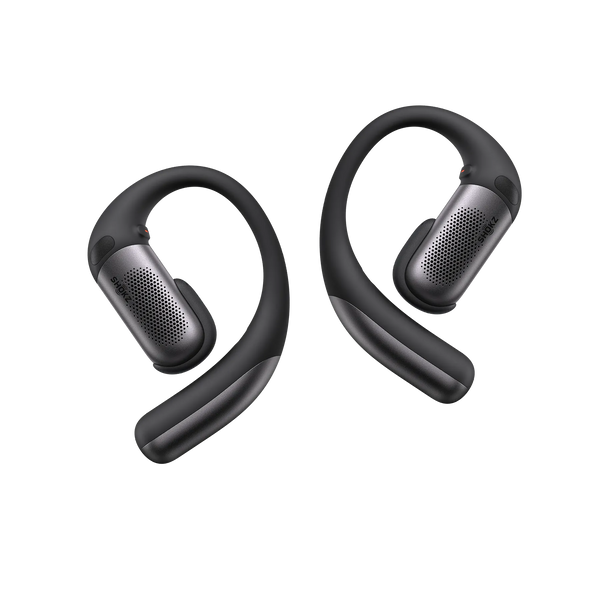
Beyond the innovative fit, it brings a few other solid features to the table:
-
Immersive Sound: Optimized for Dolby Atmos, featuring dynamic head tracking for true-to-life audio that moves with you.
-
All-Day Battery Life: You can typically enjoy up to 50 hours of total listening time, easily powering through long, busy weeks.
-
AI-Powered Clarity: A triple-mic system cuts up to 99.4% of background noise and manages wind for crisp, clear calls.
“They are the most comfortable headphones I’ve ever worn, and they stay comfortable even during extended use.”
——from Shokz official
FAQ
Q1: Which is more practical in everyday use, silicone or foam?
A: It depends on routine. Silicone is more practical for everyday wear due to easy cleaning and consistent performance during commuting or workouts. Foam is more practical in quieter, stationary settings where stronger isolation matters, but it typically requires more frequent replacement over time.
Q2: Is silicone safe for ear plugs?
A: In most cases, yes. Reputable audio brands frequently use medical-grade or food-grade liquid silicone, which is widely recognized as hypoallergenic and non-toxic. However, individual sensitivities vary, and keeping the material clean from environmental debris is crucial to preventing contact irritation.
Q3: Why do foam tips feel incredibly secure but often ache after a while?
Foam expands to fill your ear, creating a tight sealing effect for excellent security. However, this causes airflow reduction and traps heat. Crucially, the expanding material alters your natural canal pressure distribution. This continuous outward push against sensitive skin is what typically causes that dull ache during prolonged wear.
Conclusion
Deciding between silicone and foam ultimately comes down to identifying your primary pain points—whether that's a durable, easy-to-clean companion for the gym or the more immersive isolation needed for focused work or commuting. Every material has its distinct advantages and inherent limits. In daily use, the difference often comes down to a lighter, low-maintenance feel versus a more sealed-in fit that becomes more noticeable during longer listening sessions.
If you find yourself frustrated by the traditional trade-offs of heat build-up and pressure fatigue, exploring open-ear alternatives equipped with premium liquid silicone might offer a more balanced, comfortable listening experience.