How to Care for Earhook Earbuds So They Last

It’s easy to treat your daily earbuds like an afterthought. Wear them. Toss them in a bag. Charge them. Repeat.
But hardware rarely dies from a single drop. It dies from the small stuff. Dried sweat. Trapped heat. Grimy charging pins. Damage builds quietly until the fit feels wrong and the audio gets muddy.
Learning how to care for earhook earbuds doesn’t mean babying them. It’s just adopting a few effortless habits that stop wear before it sets in.
The Real Enemies of Earhook Earbud Longevity
Most people think water is the obvious threat. In reality, earhook earbuds tend to wear down from repetition, not catastrophe. Residue. Pressure. Heat. Poor storage. The damage is subtle at first. Then suddenly, it isn’t.
Sweat is Worse Than Rain
Rain dries. Sweat lingers.
It leaves salt that hardens around charging pins and stresses the internal frame. Months later, the fit feels wrong and contacts tarnish. The fix: wipe them down after every sweaty workout. Every time.
Heat Degrades the Battery and the Silicone
A hot dashboard. A sunny windowsill.
The titanium frame won't warp, but heat degrades the battery and ages the silicone until it gets stiff or tacky. The rule is simple: if a spot is too hot for your hand, it’s too hot for your earbuds.
Skin Oil Muffles the Sound
Oil forms a microscopic film over the acoustic mesh, literally blocking the audio. The volume drops. The crispness fades.
The hardware isn't broken—it's just dirty. A quick wipe-down usually brings the punch right back.
How to Clean Earhook Earbuds Without Causing New Damage
Cleaning isn’t just cosmetic. Done right, it preserves performance. Done wrong, it introduces the exact damage you're trying to avoid.
Start With the Safest Tool: a Microfiber Cloth
A dry microfiber cloth lifts sweat and oil without shedding fibers. Tissues and cotton swabs seem safe, but they snag on the acoustic mesh and leave debris behind.
If the grime is stubborn, lightly dampen a corner of the cloth. Not the earbud. The cloth. Wipe gently, then dry it. You’re preserving precision hardware, not scrubbing a floor.
Don’t Ignore the Hinge and Charging Port
The biggest trouble spots are the ones you ignore. Sweat and lint pack into the hook seams and charging pins. When charging fails, dirt is usually the culprit.
Use a silicone air blower, or canned air from a distance. Short bursts. Blow the dust out, don't pack it in. And if you see crusted grime, put the paperclip down. No metal tools. That’s how a simple cleanup turns into a dead earbud.
Clean Right After Workouts, Not the Next Day
Sweat is easiest to remove while it’s still fresh. Wait until the next day, and salt and oil have more time to dry into seams, contact points, and pad surfaces.
A practical routine looks like this:
-
Wipe the earbuds within minutes of finishing your workout.
-
Let them air-dry fully before charging.
-
Check them more carefully once or twice a week.
How to Preserve the Earhook Fit
Fit isn’t just about comfort. It affects how the hardware ages.
A drifting shape shifts daily strain to the wrong parts of the frame. When users overcompensate by tugging, pulling, and forcing the fit, that extra physical stress accelerates mechanical fatigue.
Restore Tension Carefully, Not Constantly
Titanium earhooks tolerate minor reshaping. They do not tolerate endless fiddling.
Bending the hook back and forth causes metal fatigue, permanently weakening the internal structure. If it feels loose, make one small, deliberate tweak. Constant overcorrection breaks the very thing you're trying to fix.
Glasses and Helmets Warp the Frame
Glasses, helmet straps, and tight caps constantly push earhooks out of alignment. Over time, this layered pressure warps the arc and strains the connection joints.
The fix is simple sequencing. Put the earbuds on first. Let them sit naturally. Then adjust your glasses or headwear around them. Don't let your gear fight for space.
If managing the fit feels like a chore, consider the Shokz OpenFit Pro. Built with a flexible memory alloy and liquid silicone, the arc naturally adapts to your ear. It sits smoothly alongside glasses without competing for space, providing a secure and relaxed fit. No bending. No constant adjustments. Just reliable comfort.
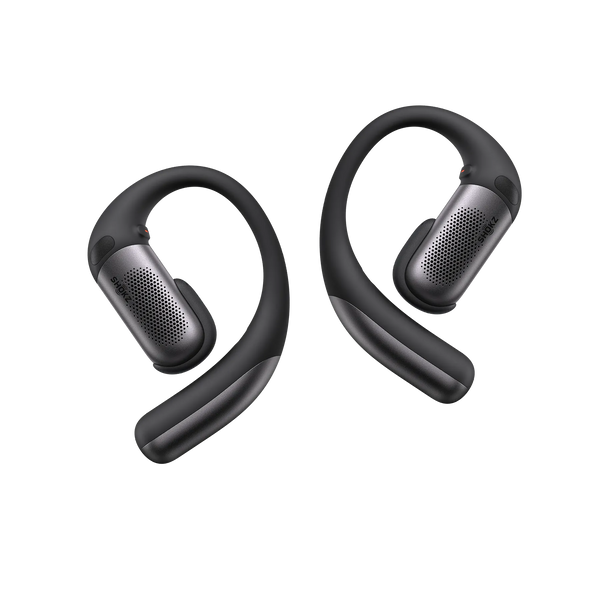
For those exploring another option in the earhook category, the OpenFit Air 2 lightweight open earhook earbuds are also worth considering, with a slim 0.75mm Ni-Ti alloy frame and an earhook that conforms to the shape of your ear for a secure, pressure-free hold.
Storage Shape Becomes Permanent Shape
How you store earhook earbuds matters almost as much as how you clean them.
Stuff them into a pocket, twist them flat in a pouch, or coil them tightly around another object, and the arc can begin to drift. Not all at once. Gradually. Quietly.
A case is best because it supports the natural geometry of the hook. If you don’t have one, store them loosely, without pressure, and without forcing them into a smaller shape than they want to hold.
Bad storage rarely creates immediate drama. It creates slow distortion. That’s why it’s so easy to miss.
Cable and Charging Care for Earhook Earbuds
Even tough earbuds fail at their stress points first. Convenience often kills cables and contacts.
Protect High-Stress Cable Junctions
If your earbuds have a neckband, the weak point is where the cable meets the housing. Sharp bends cause flex fatigue. That’s exactly why audio suddenly cuts out in one ear.
Store the cable in a loose loop. Don't fold it. Grab the housing when taking them off. Never yank the wire.
Keep Magnetic Charging Contacts Clean and Properly Aligned
Magnetic charging feels effortless. But alignment matters.
If the connector snaps on crooked, those tiny gaps slowly wear down the metal surfaces. What looks like a dying battery is usually just a bad connection.
Be Kinder to the Battery Than You Need to Be
Battery care doesn’t require perfection. It requires avoiding chemical stress.
Constantly draining a lithium cell to zero pushes its depth of discharge to the limit, burning through its total lifespan. Leaving it at 100% in a hot car is just as destructive. The combination of maximum voltage and high heat actively degrades the internal chemistry.
Lithium cells prefer the middle ground. Partial top-ups—keeping it roughly between 20% and 80%—drastically reduce battery wear.
You don't need to micromanage every percentage point. Just avoid the extremes.
How to Care for Earhook Earbuds in Real-World Conditions
Real-world environments test your hardware differently. A rainy commute, a freezing walk, and a poolside afternoon don't just look different—they demand entirely different things from the materials.
Treat the IP Rating as a Boundary, Not a Dare
Water resistance isn’t magic.
An IP rating simply tells you what a device survived in a controlled lab. IP55 handles sweat and light rain. IP68 means the hardware can survive temporary submersion in fresh water.
But the real world isn't a lab. The biggest trap is the pool. IP ratings do not account for chlorine. Chemical moisture and damp pool towels degrade waterproof seals and rubberized surfaces far faster than regular water ever will.
If your earbuds catch chlorinated splashes, wipe them down with a fresh, water-dampened cloth afterward. Respect the rating. Don't test it.
Cold Weather Changes How Materials Behave
Freezing temperatures won't bother the titanium frame. But the softer components react differently.
Silicone and acoustic seals stiffen in the cold. They lose their natural give. Suddenly, the fit feels harsher, and pressure points become much more noticeable.
The actual danger, though, happens when you step back indoors. Moving straight from icy air to a warm, heated room creates rapid condensation on and inside the hardware.
Don't immediately stuff them into a closed case or a warm pocket. Leave them out in the open air. Let them warm up to room temperature gradually. Cold weather use is perfectly fine. It just asks for a little patience.
Coastal Air and Humidity Need a Better Storage Routine
At the beach, damage doesn’t always arrive as visible sand.
Fine salt mist and persistent humidity can settle onto surfaces even when the earbuds were never directly splashed. In those conditions, a quick wipe helps — but it’s only half the job.
After use in humid or salty air:
-
Wipe the earbuds down.
-
Let them air-dry completely.
-
Store them in their case.
-
Add a small silica gel pack if you live in a consistently damp climate.
Don’t Overlook Firmware and App Maintenance
Physical care does the heavy lifting. Software still matters.
With modern earbuds, firmware can affect audio behavior, connection stability, and battery management. That means a performance issue isn’t always mechanical.
Firmware Updates Can Improve Performance, Not Just Add Features
Updates aren't just about flashy new features. They are essential maintenance. Firmware refines audio calibration, patches connection drops, and optimizes battery drain.
When earbuds suddenly feel less stable or less clear, it’s easy to assume the physical hardware is dying. Often, it just needs new code.
This is where the Shokz App proves its worth. Before you write off a glitching earbud as a lost cause, open the app and check for a firmware update. Pushing the latest update to your earbuds takes about two minutes.
Sometimes the fix isn't a replacement. It’s just a refresh.
Review App Settings From Time to Time
If your earbuds use a companion app like the Shokz app, revisit your settings occasionally.
EQ tweaks, mode changes, and experimental presets can gradually pull the sound away from the original tuning. Voices may seem thinner. Bass may feel oddly restrained. The earbuds haven’t changed. The configuration has.
A reset to baseline settings gives you a clean reference point. If the sound improves immediately, the issue was software, not wear.
That kind of fix is easy to miss — and deeply satisfying when you find it.
Catch Acoustic Changes Early
When the sound begins to drift, pay attention to how it changes.
A gradual loss of bass or crispness usually points to one thing: buildup. Skin oil and dried sweat form a microscopic film over the acoustic mesh. It sounds exactly like dying hardware. But the good news is, grime is reversible. Broken hardware isn't.
If one earbud starts sounding weaker than the other, check the surface. Clean it today, not next month. Waiting just gives that residue time to harden into the mesh, turning a five-second wipe-down into a permanent muffled mess.
The best maintenance is just calm attention. Don't panic. Not neglect.
FAQ
Q1: Do premium earhook earbuds require less maintenance?
No earbuds are completely maintenance-free. However, models with durable materials, secure charging designs, and well-engineered earhooks often make routine care easier and are better equipped to withstand daily wear over time.
Q2: Can using earhook earbuds every day shorten their lifespan?
Not necessarily. Daily use alone isn't what wears earbuds out. Long-term exposure to sweat, heat, dirt, and improper storage has a much greater impact. With simple habits like wiping them down after workouts, storing them correctly, and keeping charging contacts clean, daily use is unlikely to significantly reduce their lifespan.
Final Thoughts
Caring for earhook earbuds means focusing on habits that actually fit real life: wipe off sweat immediately, keep the mesh and contacts clean, dodge the heat, and respect the natural arc of the hooks to maintain open ear security and comfort.
Hardware damage is cumulative. That’s the bad news. But good habits are cumulative, too.
If you’ve been a little rough on your gear up until now, don’t stress. Most early "failures" are just reversible buildup, a slightly warped fit, or grimy charging pins. Start a better routine today, and it will still make a massive difference in how long your earbuds continue to sound—and feel—like themselves.