Best Open-Ear Earbuds for Outdoor Activities: Best Options for Active Lifestyles

Ever had earbuds fall out while running or block traffic sounds while cycling? Traditional in-ear headphones can make outdoor activities tricky, especially with movement, sweat, and the need to stay aware, whereas open earbuds sit outside the ear, letting music play clearly while keeping surrounding sounds audible, making workouts and outdoor adventures safer and more comfortable. This guide covers key features, the best earbuds for different outdoor activities, and tips for using them safely.
Key Features to Look for in the Best Open-ear Earbuds for Outdoor Activities
Outdoor listening puts more demands on earbuds than everyday use. Movement, weather, and situational awareness all affect performance, so choosing earbuds with the right features can make a big difference.
1. Secure and Comfortable Fit for Active Movement
Ergonomic ear hooks or wraparound frames that adapt to different ear shapes help keep earbuds stable. Flexible, lightweight materials such as silicone or memory wire prevent pressure points while ensuring a secure fit during running, cycling, or hiking.
2. Sweat and Water Resistance for Outdoor Conditions
Select headphones with an IP rating suited to your activity. IPX4 protects against light sweat or occasional rain. For heavy sweat or consistent rain, IPX5–IPX6 offers better protection. Fully waterproof IPX7 models survive brief submersion, ideal for accidental or short-term immersion.
3. Balancing Audio With Staying Aware of Your Environment
Open-ear designs should deliver clear, distortion-free sound while allowing external sounds to pass through naturally. Adjustable EQ or directional audio features help maintain a safe listening experience without compromising music or call quality.
4. Reliable Bluetooth Connectivity for Seamless Listening
Bluetooth 5.4 or newer provides stronger connection stability, lower latency, and better resistance to interference during outdoor activities. A reliable range of around 10 m / 33 ft or more keeps the connection intact even if the paired device is in a pocket or backpack.
5. Long Battery Life for Extended Outdoor Activities
Battery life should cover your longest sessions. Short workouts need 6–8 hours, while long runs, hikes, or multi-hour cycling benefit from 10–12 hours or more. Quick-charge or wireless charging adds convenience when there’s limited time between sessions.
Best Open-Ear Earbuds for Outdoor Activities in 2026
Different outdoor activities place unique demands on earbuds. Comfort, stability, and water resistance are key whether commuting, running, cycling, or swimming.
1. Best Earbuds for Everyday Outdoor Use
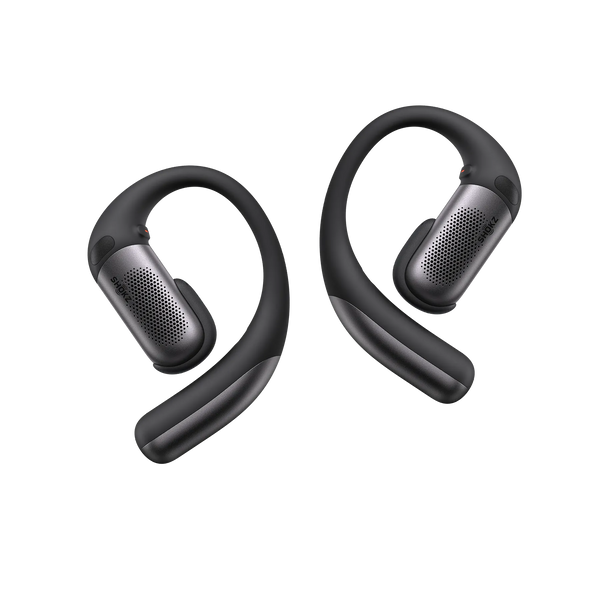
For walking or light exercise, comfort and versatility are essential. The OpenFit Pro combines titanium wire ear hooks coated with Ultra-Soft Silicone™ 2.0 for a secure fit with an open-ear design that keeps you aware of surroundings. Advanced Open-Ear Noise Reduction helps focus on music or calls even in busy environments, making them ideal for all-day use.
2. Best Open Earbuds for Running
Running involves repeated impacts and movement, so a secure, comfortable fit enhances the experience. The OpenRun Pro 2 uses a flexible Ni-Ti memory wire and lightweight frame to stay in place. Its 10th‑Gen DualPitch™ bone conduction technology delivers clear, rich audio for rhythm and motivation, while the open-ear design keeps traffic, pedestrians, and surrounding sounds audible for safety.

3. Best Open Earbuds for Cycling
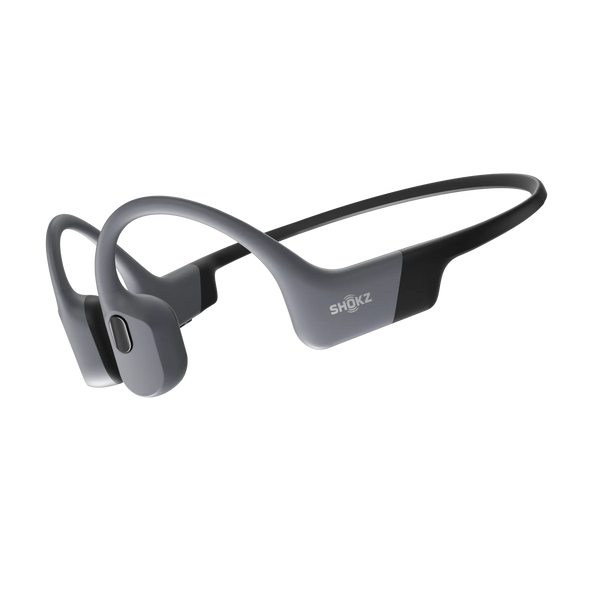
Cyclists need to stay aware of traffic and road conditions. The OpenMove’s open-ear bone conduction design lets surrounding sounds through while reducing wind noise. Its lightweight 29 g frame and titanium headband provide a stable, comfortable fit for commutes or trail rides. Rated IP55, it resists sweat, splashes, and light rain, ensuring durability outdoors.

4. Best Waterproof Open Earbuds for Swimming
Water workouts require full submersion protection. The OpenSwim Pro combines waterproof durability with stable bone conduction audio. IP68 protection ensures performance underwater, while the open-ear design keeps earbuds comfortable. Built-in MP3 playback allows music even when Bluetooth isn’t available.
|
Product |
Core Use |
Water Resistance |
Battery |
|
OpenFit Pro |
Everyday outdoor |
IP55 |
50h + Qi wireless charging |
|
OpenRun Pro 2 |
Running |
IP55 |
12h(fast charge) |
|
OpenMove |
Cycling |
IP55 |
6h (USB-C) |
|
OpenSwim Pro |
Swimming / water workouts |
IP68 |
9h |
You can also check out the OpenRun Air 2 comfortable bone conduction running headphone, with 10-hour battery life, Quick Charge, and IP67 protection to keep up with active days outdoors.
Tips for Using Open-ear Earbuds Safely During Outdoor Activities
Even well-designed earbuds require safe listening habits. Small adjustments can improve both safety and comfort.
1. Keep the Volume at a Safe Level
Avoid long periods of loud blasting music. Set your music or podcasts volume so it’s clear but not too loud. If your background noise is too loud, it’s better to move away from it, or wait till it’s over. Too high of a volume for too long can cause ear fatigue.
Pro Tip: In extremely noisy conditions, don’t turn up the volume to fight background noise. Keep a moderate level so you can still detect important sounds like vehicle horns or warning signals. Safety always comes first.
2. Adjust the Fit to Keep Earbuds Stable While Moving
Adjust your earbuds to sit comfortably before heading out. Use ear hooks, wings, or flexible frames and test with a few quick moves. After a few test movements, reposition if needed to avoid adjusting later.
3. Stay Aware of Traffic and Surrounding Sounds
Open-ear designs don’t replace the need to pay attention. Look and listen actively near roads or crowded areas. Slow down if noise or visibility are a danger, and stay safe.
4. Check Battery Life Before Long Outdoor Sessions
Check that earbuds are fully charged before long runs or hikes. Carry a compact charger if needed to avoid losing all power.
FAQ
1. Do Open-Ear Earbuds Leak Sound to People Nearby?
Open-ear earbuds sit on top of your outer ear, not in the ear canal. Consequently, a small amount of sound leakage can occur. In most everyday outdoor environments, sound leakage is minimal and unlikely to be noticeable. This is especially true at moderate volume levels. In very quiet areas, it’s possible to detect some sound leakage if volume is up.
2. How Long Do Open Earbuds Typically Last?
Open-ear earbuds typically last 2 to 4 years with regular use. Their lifespan depends on factors such as how often they’re used, battery cycles, and exposure to sweat or outdoor conditions. If they are maintained and used properly they can last longer.
3. Can Open Earbuds Support Multipoint Connection?
Some models support multipoint Bluetooth connectivity. This allows earbuds to connect to two devices at the same time. This feature makes it easy to switch between devices such as a phone and a laptop without manually reconnecting.
4. Are Open Earbuds Good for Long-Distance Runners?
Yes, in fact, many long-distance runners prefer open-ear earbuds because they reduce ear fatigue and give them surrounding awareness. Their lightweight construction and stability also make them more comfortable during longer training sessions.
5. Do Open Earbuds Work Well with Helmets?
Open-ear earbuds fit reasonably well with helmets because helmet straps usually go around the ear. Designs that wrap around the ear may reduce pressure points when worn with cycling helmets. Of course, compatibility will depend on the helmet design.
Conclusion
Open ear headphones provide a comfortable, safe, and practical way to enjoy audio during outdoor activities. Features like a secure fit, moisture resistance, stable connectivity, and long battery life make them a good selection. Choose earbuds with the right combination of features to enjoy the best listening experience and peace of mind outdoors.


