Open-Ear Headphones vs ANC Headphones: Which Type Is Right for You?

Walking with headphones is pretty common. Whether you're commuting, running errands, or just taking a quick stroll around the neighborhood, music or podcasts can make the walk more enjoyable. Busy streets, however, pose a challenge: you want to enjoy your audio while still hearing traffic and people to stay safe. Some headphones block outside noise to improve sound clarity, while others keep your ears open so you can still hear what’s going on around you.
We’ll take a look at how open-ear headphones and noise-cancelling (ANC) headphones work, how they compare for street awareness, and tips for safer listening outdoors.
What Are Open-Ear Headphones and How Do They Work?
Open-ear headphones play audio without sealing off your ear canal. That’s why they are often used for outdoor listening where awareness still matters.
1. Definition of Open-Ear Headphones
Open-ear headphones are devices that deliver sound without blocking the ear canal. Unlike traditional earbuds that sit inside your ears, they rest just outside the ear and use technologies like bone conduction or directional air conduction to transmit audio. This design lets you hear music or podcasts while still being aware of traffic, conversations, or other environmental sounds.
2. Typical Scenarios for Using Open-Ear Headphones
Open-ear headphones are commonly used when awareness is important - walking in cities, doing outdoor workouts, or cycling. In these situations, many listeners prefer headphones that don’t completely block out their surroundings.
What Are Noise-Cancelling Headphones and How Do They Work?
Noise-cancelling headphones take the opposite approach. The technology was originally developed to make listening easier in loud environments. Instead of letting environmental sound pass through naturally, they electronically reduce outside noise.
1. Basics of Active Noise Cancellation Technology
Active Noise Cancellation (ANC) uses built-in microphones to detect external sounds. The headphones then generate an inverse sound wave to reduce the perceived noise. This works especially well against steady background sounds like engine noises or air-conditioning hum.
Many ANC headphones also have transparency or ambient modes. They use microphones to bring outside sound back into the mix. However, those sounds are still processed electronically rather than heard directly.
2. Popular Listening Scenarios for ANC Devices
ANC headphones are typically used in environments where reducing background noise improves focus. Common examples include air travel, train commutes, offices, and studying in public spaces. In these cases, lowering environmental noise helps listeners hear audio clearly without increasing volume.
Open-Ear vs Noise-Cancelling: Technology & Safety Comparison
The biggest difference between these two designs is how much of the outside world you can still hear. That difference can influence awareness while walking.
1. Open Acoustic Design vs Transparency Mode Technology
Open-ear models rely on a naturally open design. Because the ear canal isn’t blocked, surrounding sounds reach your ears directly. In contrast, ANC headphones actively reduce external noise, and even when using transparency or ambient modes to let outside sound back in, the audio is still processed electronically rather than heard naturally.
In simple terms, open-ear designs hear the world as it is, while ANC headphones sometimes recreate it digitally.
2. Detection of Traffic and Warning Signals
When walking near traffic, noticing cues like approaching cars, bicycle bells, or emergency sirens can help identify dangers. Open-ear headsets make these sounds remain audible alongside music. ANC headphones may reduce some of these cues when noise cancellation is active, depending on volume and settings.
3. Reaction Time & Awareness
Hearing cues like engines, horns, or braking earlier can give pedestrians more time to react to changes in traffic. Open-ear headsets help you stay aware of what's happening around you, while noise-blocking designs may limit exposure to some environmental cues. Of course, attention, walking habits, and traffic conditions are also important.
Safety Tips for Walking with Headphones
Even the best headphones can’t replace paying attention when walking near traffic. A few habits can help balance the listening experience with safety.
1. Maintaining a Safe Listening Volume
Listening at a safe decibel level allows you to enjoy your audio while staying aware of important environmental sounds. If everything around you feels too quiet, lowering the volume slightly can help.
2. Staying Visually Alert at Intersections and Crosswalks
Your eyes are just as important as your ears. Always look both ways before crossing streets, watch traffic signals, and keep an eye on nearby vehicles.
3. Temporarily Pausing Audio in High-Risk Areas
Approaching a busy intersection or construction zone? Pausing your audio for a moment can help you focus fully on your surroundings.
4. Choose Safer Walking Routes in Busy Cities
Some routes are just safer to walk on than others. Side streets, pedestrian paths, and designated walking areas usually have less vehicle traffic than major intersections.
5. Use Open-Ear Headphones for Better Awareness
Open-ear designs keep the ears unobstructed, allowing you to hear traffic, conversations, and warning signals while listening.
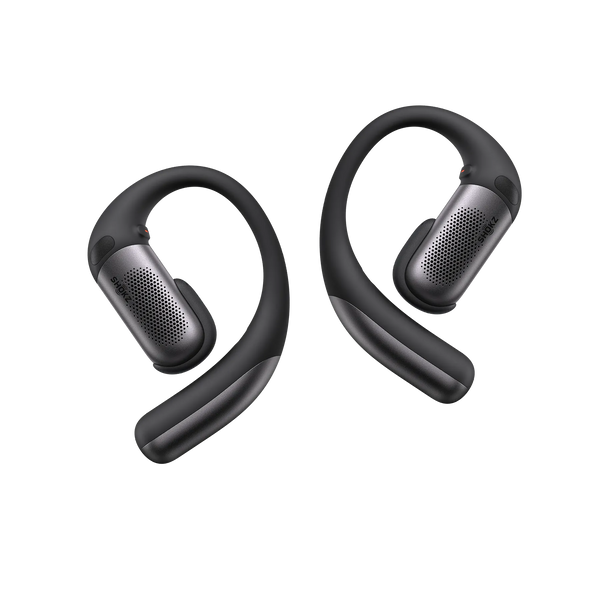
Shokz OpenFit Pro features an open-ear design that lets you hear traffic, cyclists, and pedestrians, helping you stay aware on the street. Titanium ear hooks with Ultra-Soft Silicone™ 2.0 provide a secure, comfortable fit for long walks, commutes, or runs. Lightweight and practical, it’s designed for situations where safety and awareness matter.
FAQ
1. Is Walking with Headphones Legal in All Cities?
In many places, wearing wireless headphones while walking is perfectly legal. However, regulations can vary by region, especially near traffic or crosswalks, so it’s worth checking local guidelines.
2. Can Listening Habits Change Depending on Walking Routes?
Yes. Walking environments influence listening behavior. On busy streets, people often lower volume or use open-ear headphones to stay aware of traffic. On quieter paths or parks, volume may be increased for a fuller listening experience.
3. What Is the Recommended Volume Level for Outdoor Listening?
Keep the volume at a moderate level, typically below 60% of maximum or around 70 dB, so surrounding sounds remain audible. In busier areas, consider lowering it further to stay fully aware of traffic and pedestrians.
4. Do Open-Ear Headphones Leak Sound to People Nearby?
Open-ear headphones don’t seal the ear canal, so some sound leakage can occur. Outdoors, this is usually subtle at moderate listening levels, but it may be more noticeable in quiet indoor spaces.
Conclusion
Open-ear and ANC headphones both have their place. If you want to get lost in your music, ANC is great - just not ideal for busy streets. Open-ear models let you enjoy your audio and the city around you. Whichever you choose, stay alert and keep safe first - your playlist isn’t worth missing what’s happening right in front of you.


