What Are Audiophile Headphones and How to Choose It ?
In the pursuit of ultimate sound quality, audiophile headphones often leave music lovers lost in a maze of technical jargon—impedance, driver units, open-back versus closed-back—each technology promising a "realistic" listening experience, yet leaving many unsure where to begin.
This guide will point you in the right direction: explaining the fundamental elements of audiophile headphones in clear and easy-to-understand language, providing a practical three-step framework to help you find the right headphones, and recommending five models that deliver exceptional sound quality. Your ideal listening partner is actually within reach.
What are Audiophile Headphones?
Audiophile headphones are more than just high-end gear; they function as a "microscope" for sound. By leveraging sophisticated acoustic architecture and advanced driver technologies, they achieve wide frequency response, ultra-low distortion, and pinpoint imaging—all for one ultimate goal: absolute fidelity.
But true high-fidelity isn’t just about cold specifications. It’s about the "soul" of the listening experience—the ability to catch a violinist's subtle breath or to feel the layered depth of a cinematic soundstage. To achieve this level of immersion, the first major decision you’ll face isn't about the price, but about space.
This brings us to the fundamental divide in headphone design: Open-back vs. Closed-back.
The Great Divide: Open-back vs. Closed-back Headphones
1.Open-back Headphones:
Open-back headphones have ventilation holes in the earcups, allowing sound and air to circulate, making the music sound more spacious and natural, as if you are actually there.
However, please note that because sound may be coming in and going out at the same time, they are more suitable for use in quiet environments (such as a room) and are not recommended for use in places like buses or libraries.
2.Closed-back Headphones:
Closed-back headphones, with their sealed earcups, effectively isolate external noise, making them ideal for studying, commuting, or working.
The sound is more focused and directly transmitted to the ears, and the bass is typically more powerful and impactful.
After learning about audiophile headphones, let's continue by looking at how to choose a good pair.
|
Features |
Open-back Headphones |
Closed-Back Headphones |
|
Sound Signature |
Spacious & Airy |
Intimate & Punchy |
|
Soundstage |
Expansive & Natural |
Focused & Direct |
|
Noise Isolation |
None; Sound Leaks |
Noise Cancellation |
|
Best For |
Quiet Home Listening |
Commuting & Public Areas |
|
Key Strength |
Better airflow; Less fatigue |
Powerful Bass & Immersion |
How to Choose Audiophile Headphones: Three Steps Guide
Step 1: Key Factors You Need to Know
Frequency Response
The wider the frequency response range, the more detail you can hear.
Therefore, you can choose headphones that specify a frequency response range (e.g., 20Hz–20kHz) and check if their frequency response curve is balanced.
This indicates how accurately the headphones reproduce low, mid, and high frequencies.
Drivers
The type and quality of the driver unit directly affect the purity and dynamic range of the sound.
You need to pay attention to the driver unit's size (usually measured in millimeters), type (e.g., dynamic, planar magnet, or balanced armature), and technical specifications.
These factors affect clarity, bass response, and overall fidelity.
Impedance and Sensitivity
Impedance and sensitivity together determine how easy it is to drive headphones and ultimately, their sound quality.
If you're buying portable headphones, choose models with low impedance (below 32Ω) and high sensitivity (above 100dB/mW).
For studio use or with high-power configurations or dedicated amplifiers, higher impedance may result in better performance.
Design and Material
The design and materials impact the durability and lifespan of the headphones.
Look for robust construction, high-quality plastics or metals, and replaceable parts like ear pads and cables—these ensure longevity and comfort during extended use.
Step 2: Setting Your Investment Range
Setting a clear budget can effectively narrow down your choices. Beginners can try headphones priced around $100-$300, which usually offer great value for money.
Step 3: Where and How Will You Listen
Home Sanctuary
If you own professional desktop audio equipment and are looking for the ultimate in detail, you can use high-impedance open-back headphones. They offer exceptional resolution, allowing you to immerse yourself in every detail of the music.
Gaming & Movies
If you want to immerse yourself in games or movies, you can choose open-back headphones with a wide soundstage, powerful and accurate low frequencies, and easy driveability.
Office / Library
In these situations where personal privacy is important, you can choose closed-back, low-impedance headphones, which can effectively prevent sound leakage and are also easy to drive.
Sport & Fitness
When exercising, you can choose wireless headphones designed specifically for workouts: they emphasize robust construction, sweat and water resistance, and are easy to drive (low impedance/high sensitivity).
High-End Audiophile & Professional Audio Production
When you're using them for audio production, mixing, or demanding listening experiences, professional-grade high-impedance headphones (usually open-back) are essential. Note that they require a dedicated headphone amplifier.
|
Use Case |
Recommended Type |
Key Features |
|
Home Sanctuary |
High-impedance open-back |
For desktop audio. Best detail and immersion |
|
Gaming & Movies |
Easy-to-drive open-back |
Wide soundstage, strong bass. Great atmosphere |
|
Office / Library |
Low-impedance closed-back |
Stop sound leakage. Private and easy to drive |
|
Sport & Fitness |
Wireless sports headphones |
Sweatproof, sturdy, no wires. For active use |
|
High-End Audiophile & Pro Audio |
Pro high-impedance (often open-back) |
For critical listening/mixing. Needs a headphone amp |
Extra Considerations: Do Sound-Quality Headphones for Outdoor Sports Use Exist?
While audiophile headphones deliver exceptional sound quality, their reliance on heavy accessories like bulky cables and external amplifiers makes them highly impractical for outdoor sports. This creates a common dilemma for music lovers: how do you enjoy high-quality audio while staying active and safe outside?
Understanding what are clip-on earbuds is the first step to finding a solution.
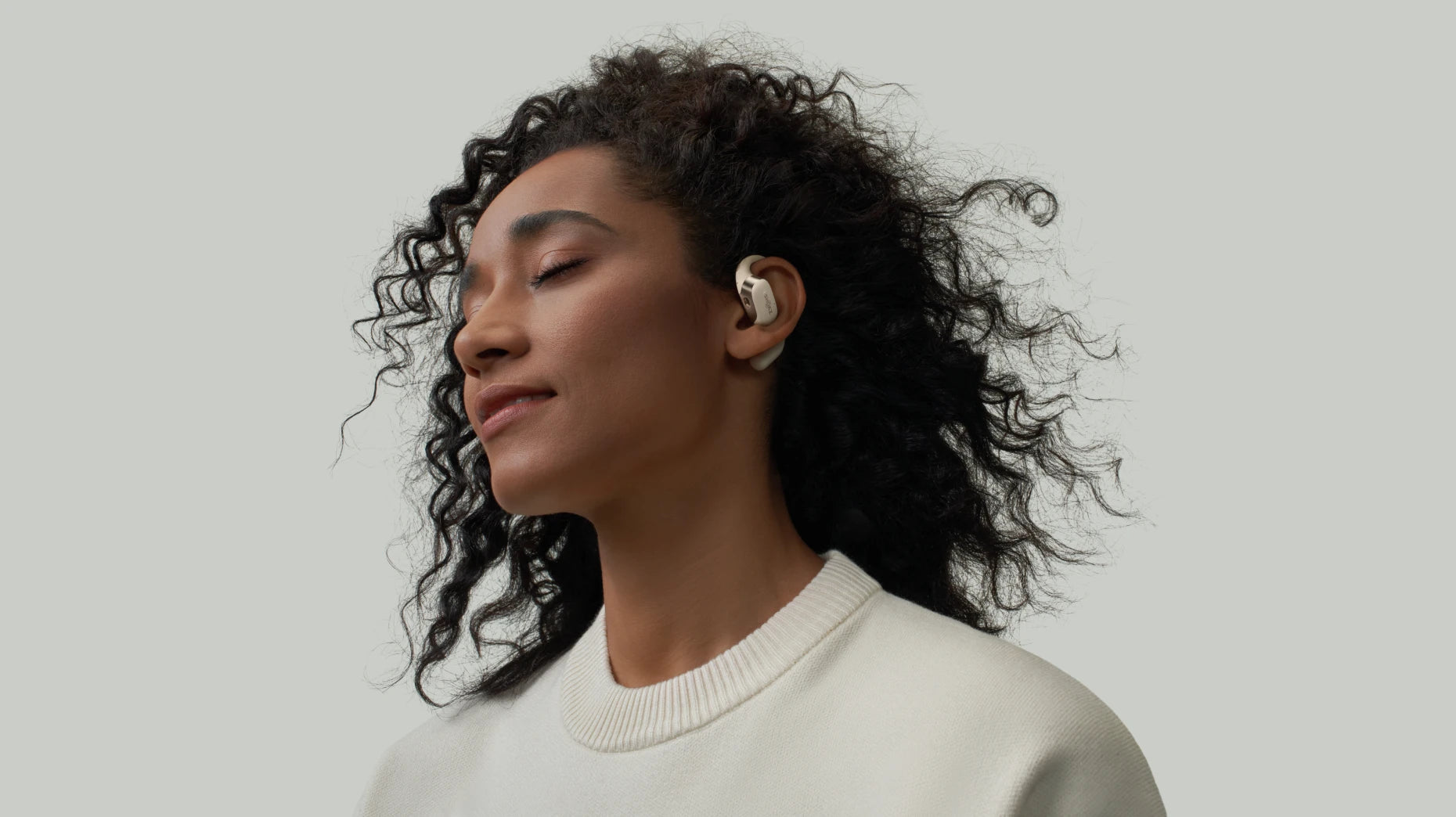
When considering how to choose clip-on earbuds for outdoor activities, the Shokz Opendots ONE is a great choice. Its BassphereTM and two drivers deliver a powerful bass experience. The open-back design also allows you to hear your surroundings, ensuring your safety during outdoor activities. You also don't need to worry about it falling off during exercise. The Opendot ONE uses a durable nickel-titanium alloy base and soft silicone anti-slip pads to ensure a secure fit on your ears.

FAQ:
1.How Do I Clean and Maintain My Audiophile Headphones?
To clean headphones, wipe them with a dry, soft cloth. For stains, use a cloth lightly dampened with water or mild soap, avoiding the interior. For leather pads, use a dedicated leather cleaner. Always let all parts dry fully in a cool, shaded place before storing to prevent damage.
2. Can I Use Audiophile Headphones for Phone Calls and Video Meetings?
Generally, yes, it's fine. Audiophile headphones can make your sound incredibly clear. However, please note: if you're using open-back headphones, there might be sound leakage—so people around you might hear what you're listening to. Therefore, closed-back audiophile headphones are more recommended.
3. Which Type of Audiophile Headphones is Best for All-day Comfort?
There's no single standard. However, open-back headphones are generally more comfortable. Of course, you can also consider factors like the headphone's weight, the material of the ear pads, and the overall design.
4.How Can I Improve The Sound Quality of My Headphones?
For a clear guide on how to improve sound quality, try using your headphone app’s equalizer (EQ) to adjust the sound, or pair your headphones with an external amp for more power and a DAC for cleaner audio.
Conclusion
Choosing the right audiophile headphones doesn’t have to be confusing. Start by thinking about where you’ll listen—like at home, in the office, or on the go. Decide if you prefer open-back for a natural sound or closed-back for more privacy and bass. Set your budget, and remember: if you can, always try them on first! With the right pair, your music will sound clearer, richer, and more alive than ever. Happy listening!
Author Information

guides on Shokz
Related Posts