Best Bass Headphones to Buy for Deep, Punchy Sound Quality

Scroll through any headphone category and it gets crowded fast. Big models, small ones, flashy specs, endless promises. Somewhere in that mix, a lot of people are looking for the best bass headphones. Everyone hears bass differently. Some people want that low thump to be obvious.
Others just want the sound to feel balanced again. You don’t need to know audio theory to notice the difference, but it helps to understand what bass actually does. This piece looks at bass in simple terms and points out a few headphones in 2026 that handle low-end sound better than most, without getting technical for the sake of it.
What Is Bass?
Bass describes the low-end frequencies in sound. In music, it gives tracks weight,rhythm,and emotional impact. Without it, songs lose depth and physical presence.
Bass Meaning in Music
In musical terms, the bass usually sits below 250 Hz. This range supports rhythm and structure. Bass lines anchor melodies, connect drums to harmony, and create movement you can feel in your body. That’s why bass on music often feels emotional rather than analytical. It’s sensed as much as it’s heard. Good bass doesn’t just sound loud. It feels stable, intentional, and integrated into the track.
Sub-Bass vs. Mid-Bass
Not all bass is the same. Sub-bass (20–60 Hz) is the deep rumble you feel more than hear. It adds atmosphere and power, especially in electronic and cinematic music. Mid-bass (80–180 Hz) is punchy and rhythmic. It drives kick drums, bass guitars, and beats.
Headphones with a strong mid-bass feel energetic. Ones with clean sub-bass feel immersive. The best bass headphones balance both without bleeding into vocals.
Why Bass Matters in Headphone Listening?
Bass affects how engaging and realistic music feels, especially in headphones where sound is close to the ear.
Enhances Your Listening Experience
Bass gives music physical presence. It adds excitement to fast tracks and warmth to slower ones. When the bass is tuned well, music feels alive rather than flat. At lower volumes, using open ear headphones for the best listening experience helps keep the sound full without needing to turn it up.
Preserves Full and Accurate Sound Details
Good bass doesn’t hide detail. It supports it. Controlled low frequencies prevent distortion and keep mids and highs clean. Poor bass tuning often causes muddiness, making vocals sound distant or unclear. High-quality bass improves clarity across the entire frequency range.
Popular Headphones with the Best Bass in 2026
Below are two headphones that stand out for bass performance, each suited to different listening styles and environments. For anyone exploring ear hook vs clip-on earbuds, these top picks highlight two different approaches to open-ear bass performance.
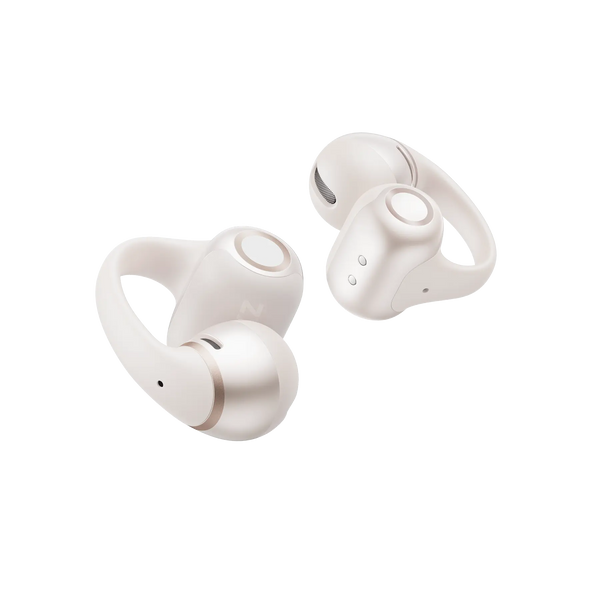
OpenDots 2 Open-Ear Clip-On Earbuds
OpenDots 2 Clip-On Earbuds are built for music listeners who want noticeable bass without wearing earbuds inside the ear. Their lightweight clip-on design (6.4g each) keeps things comfortable, while the upgraded internal driver structure delivers punchy low frequencies that feel controlled rather than bloated, making them a top choice among Shokz open-ear headphones for pop, electronic, and other rhythm-driven music.
Key Features
-
Bassphere™ 2.0 & DirectPitch™ Technology: Features an advanced dual-driver system designed to reinforce low-frequency output, giving bass significantly more presence and depth than typical open-ear designs while preserving acoustic clarity.
-
EQ Presets with Bass Mode: Customizable built-in EQ modes, accessible via the Shokz app, include a dedicated Bass mode that lets users adjust low-end emphasis to their preference.
-
Dolby Audio Support: Dolby Audio adds immersive depth and space to the soundstage, helping bass sit naturally in the mix while keeping vocals and fine details perfectly clear.
-
All-Day Battery & 5-Minute Quick Charge: Enjoy up to 10 hours of playback on a single charge and up to 40 hours total with the wireless charging case. A quick 5-minute charge delivers 2 hours of listening time.
Quick Tip: If you're still exploring what are clip-on earbuds or navigating how to choose clip-on earbuds, prioritizing bass tech and battery life is key.
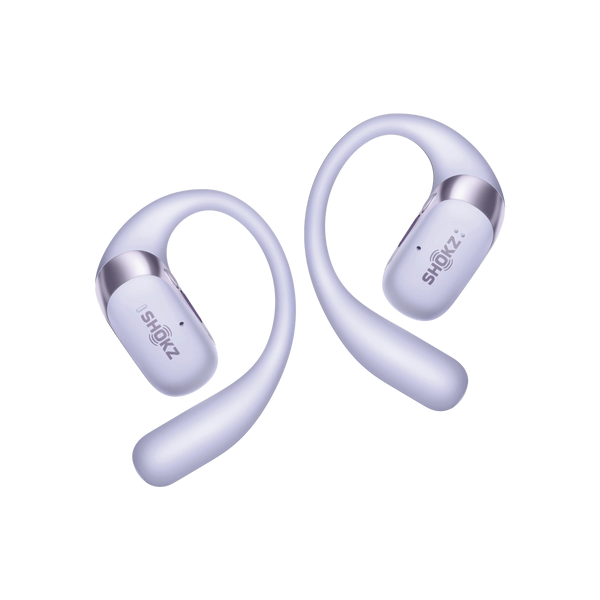
OpenFit 2+
OpenFit 2+ delivers a well-balanced bass while keeping the sound clear and airy. It’s perfect for those who want detailed low-end without sacrificing comfort. The low end is tuned to add fullness rather than impact, helping tracks sound more complete during long sessions while supporting the open ear security and comfort that make extended listening feel more natural.
-
DualBoost™ Driver: Bass and treble are handled by separate drivers, which helps low-end notes stay firm instead of blending into the rest of the mix.
-
17.3 mm Low-Frequency Driver: Uses a custom composite dynamic driver aimed at maintaining bass richness while keeping distortion low.
-
Dolby Audio Processing: Dolby Audio adds space to the soundstage. Bass feels wider and more grounded, while vocals remain clear and easy to follow.
-
EQ with Bass Boost: Through the Shokz App, users can switch EQ presets or enable Bass Boost to bring out low frequencies without turning the volume up.
-
Battery Life: Up to 11 hours of playback directly from the earbuds.
Bass Headphones Comparison
|
Model |
Bass Character |
Bass/Sound Tech |
Battery Life |
|
OpenDots 2 |
Punchy, controlled bass |
Bassphere™2.0, dual drivers, Bass EQ, Upgraded Dolby Audio |
10 hrs |
|
OpenFit 2+ |
Full, balanced bass |
DualBoost™ drivers, Bass Boost EQ, Dolby Audio |
11 hrs |
Tips for Choosing Headphones with Great Bass
Bass is one of those things people notice immediately, even if they don’t think about sound much. The tricky part is that what feels great in one moment doesn’t always work everywhere. That’s why choosing bass isn’t as simple as picking the strongest option.
1. Match Your Listening Preferences
If most of your listening time goes to EDM, hip-hop, or upbeat pop, deeper bass adds energy and keeps tracks moving. With vocals or acoustic music, too much bass can feel distracting instead.
2. Consider Your Primary Usage Scenario
Sealed headphones make sense for flights or other places where isolation helps bass stand out. Wireless headphones with an open-ear design, like Shokz, tend to fit better into everyday routines that blend work, commuting, and exercise.
3. Check Driver Size and Type
Larger dynamic drivers usually help bass feel fuller because they move more air. Other headphones work around that limitation, relying more on tuning choices than raw driver size.
4. Look for Bass Enhancement Features
EQ settings and bass presets can be useful when your environment changes. Another feature, noise Cancelation, doesn’t boost bass directly, but it often makes low frequencies feel stronger by reducing background noise.
What Should You Know before Using Bass-Heavy Headphones
Bass-forward sound can be exciting, but it’s not always something you want on repeat. Here are some common tips you should know before using bass headphones.
1. Avoid Over-Boosting Low Frequencies
Heavy bass tends to impress quickly and wear out just as fast. Dialing it back slightly usually makes music easier to enjoy over longer sessions.
2. Consider Comfort and Seal
Bass depends more on fit than many people expect. Poor sealing weakens low-end impact, while some headphone designs trade bass strength for comfort and awareness.
3. Match Source and EQ
Bass highlights flaws in audio sources. Lower-quality files distort sooner, while higher-bitrate tracks hold together better when bass is present.
4. Limit Usage by Scenario
Bass-heavy tuning works best for workouts or short listening bursts. For all-day use, lighter bass keeps music comfortable and less fatiguing.
FAQ
1. What’s an ideal bass frequency range for headphones?
People usually say 20–250 Hz, and that’s fine as a reference, but most listeners don’t think in numbers. What really matters is whether the bass feels full without swallowing the rest of the music. Different genres want different bass anyway.
2. Do all bone conduction headphones have good bass?
No, not really. Some barely have bass at all. Bone conduction doesn’t automatically mean a strong low end. It comes down to tuning and how well the vibrations are handled. If you want solid low‑end performance, you need to choose the best bone conduction headphones, and brands like Shokz use multiple technologies to produce more natural and fuller bass.
3. Are bass headphones good for everyday use?
They can be, as long as the bass isn’t pushed too hard. Heavy bass all day gets tiring fast. When it’s controlled, most people don’t even think about it and just enjoy the sound.
4. Does ANC affect bass response?
Yeah, it usually does. When noise Cancelation removes background rumble, bass feels stronger even if the song hasn’t changed. It’s more about what you’re not hearing anymore than what’s added.
5. Why do different headphones produce different bass levels?
There isn’t one simple reason. Driver size, design, fit, and sealing all matter. Even how the headphones sit on your head can change the bass more than people expect.
Conclusion
Bass matters, but it’s not something you measure once and get right forever. Volume, mood, even how tired your ears are all change the experience. The best bass headphones listed here don’t handle bass the same way, and that’s the point. Some keep things light. Some add more weight. None of it works if the headphones don’t fit your routine or start bothering you after an hour. When the balance is right, you stop thinking about bass at all. You just listen and move on with your day.