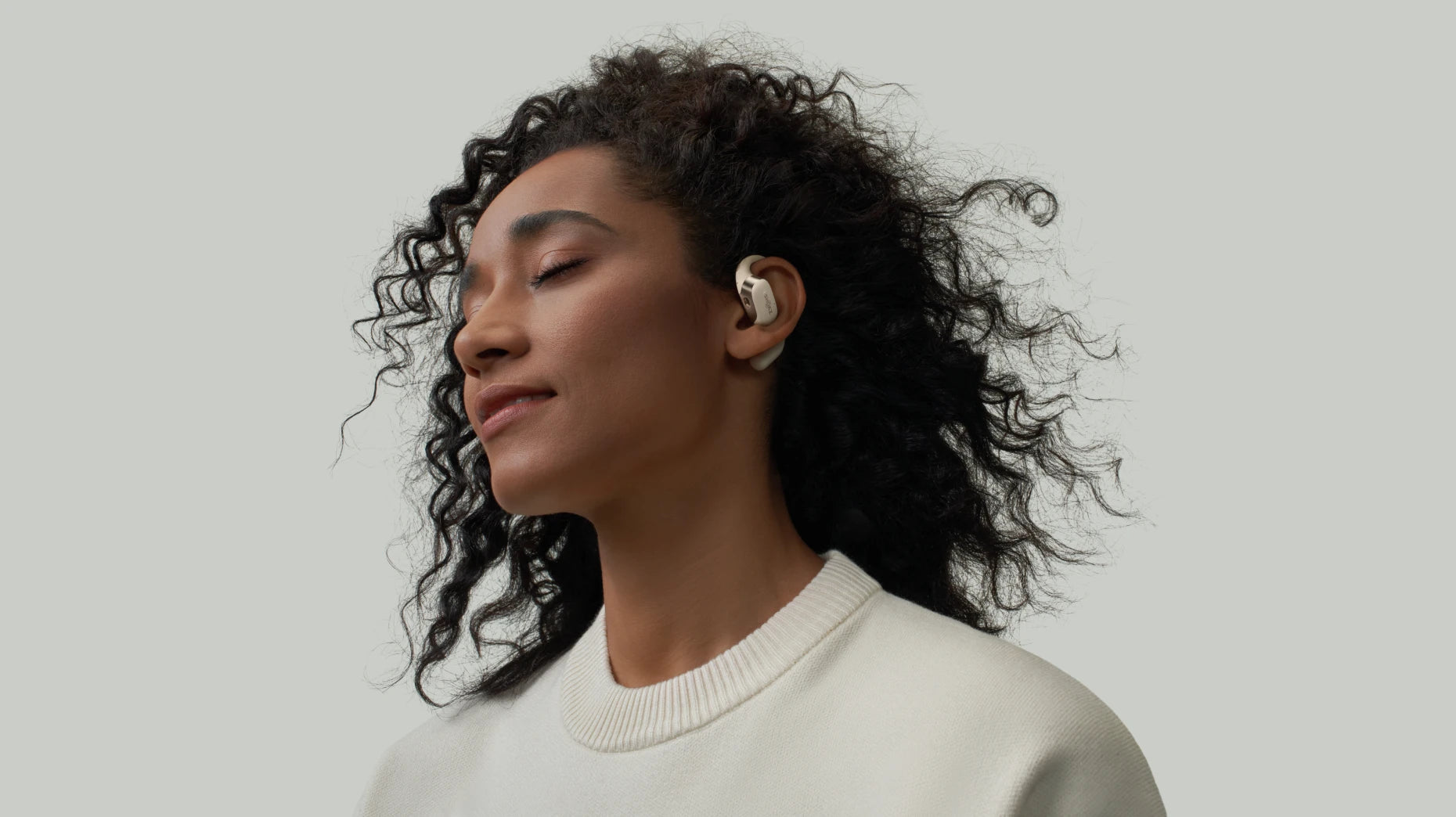
Whether Ear Clip Earbuds Are a “Scenario-Based Solution” for You
Finding the right audio gear often feels like an exercise in compromise—standard in-ears can cause fatigue, while over-ears get bulky. Ear clip earbuds offer an alternative. They typically aren't meant to replace your noise-canceling headphones; instead, they serve as a practical option prioritizing open-ear awareness and long-term comfort.
Let’s look at what this design actually is, the specific situations where it tends to shine, and a few where it might fall short.
What Ear Clip Earbuds Actually Are (and What to Expect)
As a distinct style of earbuds, ear clips attach directly around your outer ear cartilage rather than wedging a silicone tip into your ear canal. This structural difference bypasses the pressurized, plugged-up feeling that standard in-ear models typically cause. As one user aptly noted, they feel less like traditional earbuds and more like lightweight clips—comfortable and surprisingly hard to shake loose.
To determine if they fit your lifestyle, it helps to set the right baseline and view them through a scenario-based lens:
-
Where they generally shine: They are highly practical for movement-heavy routines where situational awareness is key. Think jogging, cycling, or navigating a busy commute. The clip-on mechanism provides a secure, sweat-friendly hold that typically stays put without constant readjustment, all while letting you hear traffic or nearby conversations.
-
Where they tend to fall short: Because they don't create a seal in your ear canal, you naturally trade acoustic isolation for that awareness. In most cases, they aren't the right choice for drowning out airplane noise, finding heavy bass drops, or trying to focus in a highly distracting environment.
Scenario 1: Gym Workouts and Anaerobic Training
For many, the gym is where ear clip earbuds often make the most sense. If you’re tired of traditional silicone tips slipping out mid-sweat or causing ear canal fatigue during intense sessions, this design offers a highly practical alternative.
In practice, the clip-on mechanism generally stays anchored through dynamic movements—like transitioning from heavy floor lifts to a quick treadmill circuit—all while keeping you comfortably aware of your immediate surroundings.
Stability During High-Movement Exercise
When your routine involves fast-paced intervals, rowing, or awkward floor work like sit-ups, physical stability usually trumps audiophile sound. Real-world community feedback suggests that clip-on earbuds generally excel here.
People frequently note how firmly they stay anchored through heavy movement, avoiding the mid-workout readjustments standard buds often require. This reliability largely comes down to modern designs that closely hug the ear cartilage, minimizing the bouncing that used to derail earlier open-ear models.
Open-Ear Awareness in a Shared Gym Environment
While traditional in-ears often force you to sacrifice environmental awareness for sound isolation, clip-on earbuds offer a highly practical alternative for shared spaces. By ditching the ear-canal seal, you bypass that irritating, "clogged-up" feeling during long sessions.
More importantly, this open design translates to concrete benefits on the gym floor: you can keep your playlist going while easily catching a trainer's cue, hearing someone ask to work in on a bench, or simply staying tuned into the rhythm of a busy room.
Scenario 2: Casual Running and Outdoor Cardio
When it comes to outdoor cardio or casual running, safety and situational awareness are usually non-negotiable. Ear clip earbuds offer a highly logical solution for these routines, blending a stable physical grip with the ability to clearly hear approaching traffic, bikes, or other runners.
Fit Security Across the Distance
Instead of relying on a tight ear-canal seal, the clip-on mechanism typically surprises runners with its stability. In practice, people frequently note that these earbuds don't just survive a quick 10-minute jog—they remain reliably anchored across varied, sweat-heavy sessions (like mixing a run with outdoor core work) without requiring constant mid-workout readjustments.
This is a significant advantage, as many standard in-ears notoriously start slipping the moment moisture and body heat build up.
Long-Wear Comfort and Gear Compatibility
For distance runners or cyclists, physical ear fatigue is a common roadblock. Because ear clips sit entirely outside the canal, heat dissipates naturally, making extended summer sessions feel far less suffocating.
When pairing them with cycling helmets or sunglasses, their minimal footprint often works to your advantage. That said, since the design shares outer-ear real estate with glasses frames and helmet straps, compatibility can vary based on your personal anatomy. It’s always a smart move to test the fit alongside your everyday cardio gear right out of the box.
Scenario 3: All-Day Wear and Commuting
For hybrid daily routines—jumping between calls, podcasts, and walking around the office—ear clips offer a compelling solution for extending your listening time without the usual physical toll.
Understanding the Ear Fatigue Threshold
Standard in-ear models often trigger a dull ache and canal pressure after just a few hours. Clip-on earbuds bypass this entirely, resting on the outer cartilage instead. For many, this shift comfortably stretches the listening window to a full workday. Just keep in mind that you're essentially trading inner-ear pressure for outer-ear clamping force. Depending on your ear thickness, you might still notice a mild pinch by late afternoon.
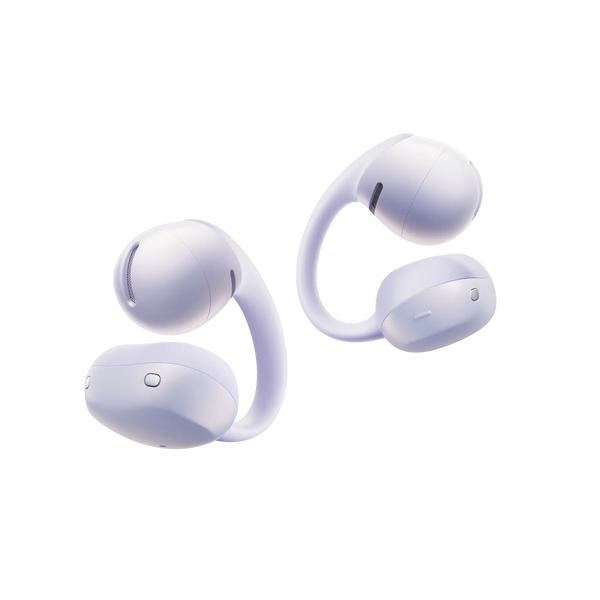
If clamping force is a concern, models like the Shokz OpenDots Air actively address this. Weighing just 6.3 grams, their nickel-titanium JointArc™ design and skin-friendly silicone distribute pressure evenly. This minimizes that late-afternoon pinch, offering a highly practical, breathable option for all-day wear.
Navigating Public Transit
On a commute, this open-air approach fundamentally shifts how you interact with your environment. The main advantage is low-friction awareness: you can seamlessly track subway announcements or navigate a busy train platform without ever pausing your audio or pulling out an earbud.
The natural trade-off, however, is that ambient city traffic will actively compete with your music. If your daily train ride is aggressively loud and your primary goal is to mentally check out and escape the noise, the lack of acoustic isolation here will likely leave you wanting a traditional, sealed option.
Scenario 4: Where Ear Clip Earbuds Are Not the Right Fit
The open design that makes ear clips so comfortable also creates inherent limitations for certain listening habits. When narrowing down exactly who should NOT buy ear clip earbuds, it generally comes down to people prioritizing two specific things: heavy bass impact and strict noise isolation.
Bass-Heavy and Critical Audio
Because they sit entirely outside the ear canal, these earbuds lack the physical seal needed to trap deep, pressurized low frequencies. While everyday users often adapt to this lighter sound, you generally won't get a chest-thumping impact. This bass limitation of clip on earbuds is a structural trade-off. If your playlists rely heavily on sub-bass or immersive details, traditional in-ears are usually a better fit.
Focus-Heavy Work and Travel Isolation
That same lack of a seal means open-ear designs often struggle in loud environments. Instead of blocking external chatter or café noise, they let the outside world compete with your audio. If you rely on physical isolation or active noise cancellation to concentrate on flights or in busy offices, this style will likely frustrate you.
Final Decision Logic: Is an Ear Clip Earbud Your Scenario-Based Solution?
If you're still on the fence about whether this form factor belongs in your daily rotation, let’s boil it down. Here is a quick breakdown to help guide your decision, focusing primarily on what you actually need your audio gear to do:
|
Your Primary Goal |
The Verdict |
The Reality Check |
|
Secure fit during varied workouts (circuit training, rowing, floor work) |
Strong Match |
They generally stay firmly anchored through heavy, mixed movements without needing mid-set readjustments. |
|
Situational awareness (outdoor running, commuting, shared spaces) |
Strong Match |
The open design lets you enjoy your audio while naturally keeping you connected to traffic and nearby cues. |
|
All-day comfort (avoiding inner-ear pressure and soreness) |
Likely Match |
They easily bypass ear-canal fatigue, though depending on your ear shape, you might notice a mild pinch by late afternoon. |
|
Deep bass & noise isolation (focus work, flights, immersive listening) |
Structural Mismatch |
Without a physical ear-canal seal, they naturally struggle to block loud background noise or trap heavy low-end frequencies. |
Conclusion
Standard in-ears often force you to compromise between enjoying your audio and staying connected to your environment. This specific style of open ear headphones shifts that balance, prioritizing long-term physical comfort and ambient awareness over strict acoustic isolation.
So, Whether Ear clip earbuds are a “Scenario-Based Solution” for you primarily depends on what frustrates you most about your current setup. If you are tired of sore ear canals or feeling dangerously tuned out during outdoor runs, it’s highly worth grabbing a pair to see how they handle your next workout.
Author Information

guides on Shokz
Related Posts