How Bone Conduction Headphones Preserve 100% Situational Awareness in Extreme Environments: A Complete Safety Guide

On crowded urban sidewalks, rocky hiking trails outside Denver, or active construction zones in Chicago, situational awareness is essential. Listening to music, podcasts, or navigation instructions can be challenging when traditional headphones block ambient sounds.
Bone conduction headphones offer a solution by sending audio through your skull, letting you enjoy sound while keeping your ears open to important cues. While they significantly enhance your awareness of the surroundings, it’s important to note that no technology can guarantee 100% situational awareness in all conditions.
In this guide, we’ll explain how bone conduction works, why it shines in tough settings, real-world uses, and how to pick the best model for your needs.
Why Situational Awareness Is Critical in Extreme Environments
When every second counts, situational awareness is your most vital tool when your surroundings can change quickly. It transforms how you move through high-risk settings—helping you sense potential danger early, make better decisions, and stay safe during high-risk activities.
1. Knowing What’s Happening Around You
Being able to hear traffic, people, or environmental cues gives you an edge in reacting promptly. Whether it’s an approaching vehicle, a teammate’s call, or shifting trail conditions, keeping your ears open ensures you’re informed.
2. Spotting Potential Dangers Early
A fallen branch on the path, a vehicle speeding around the bend, the whir of machinery just out of sight—catching these early isn’t luck. It’s a skill. Your awareness can significantly influence safety outcomes.
3. Making Faster and Safer Decisions
When you can process environmental cues quickly, you can make more informed choices about speed, direction, or actions. Awareness allows you to anticipate hazards instead of reacting at the last second.
How Bone Conduction Headphones Maintain 100% Environmental Awareness
In high-stakes environments, losing awareness isn't an option. Bone conduction headphones let you hear your audio while staying wide open to the world around you—so you catch the sounds that matter.
1. Open-Ear Design Keeps the Ear Canal Unobstructed
Nothing plugs your ear canal. Traffic, alarms, teammates calling out—it all comes through naturally while your podcast or playlist plays. By not blocking the ear canal, you can process critical cues instantly without missing a beat, which means faster, smarter reaction.
2. Bone Conduction Technology That Bypasses the Eardrum
Instead of blasting air down your ear canal, these headphones vibrate against your skull. Your audio stays crisp without drowning out the world. That makes it easier to notice sudden changes around you, like spotting trail obstacles, hearing a car approaching, or catching warning signals near the construction site.
3. Wind Noise Reduction for Clear Audio
Wind can disrupt audio clarity, especially outdoors. Bone conduction headphones equipped with wind noise reduction technology filter out disruptive wind sounds, ensuring your audio remains clear and intelligible—even in gusty conditions—so you can stay focused on both your audio and your environment.
Advantages of Bone Conduction Technology in Harsh and Extreme Conditions
Extreme conditions demand gear that is reliable, comfortable, and adaptable. Bone conduction headphones offer several advantages tailored to these environments.
1. Comfortable Wear with Helmets, Masks, and Protective Gear
Cyclists weaving through traffic need helmets. Trail runners and factory workers often strap on masks or other protection. Bone conduction sits alongside all of it without shifting, pinching, or blocking your ears. You get your navigation prompts and alerts while keeping your safety gear exactly where it belongs.
2. Sweatproof and Waterproof Performance for Outdoor and Industrial Use
Rain, splashes, and heavy sweat kill most headphones mid-workout, making it hard to follow audio instructions. For hardcore outdoor training, water sports, or grimy industrial shifts, sweatproof and waterproof models ensure audio continues uninterrupted. You stay informed and ready to react, no matter what the conditions throw at you.
3. Secure and Stable Fit During High-Intensity Movement
Activities like fast cycling, trail running, or physically demanding work involve lots of motion that can dislodge traditional headphones. Flexible memory wires and ergonomic designs hold bone conduction headphones in place, so you can move freely without losing audio prompts or focus on your environment.
4. Reduced Ear Canal Pressure and Long-Term Wearing Comfort
Extended shifts on a construction site, multi-hour outdoor adventures, or ultra-long training sessions can make in-ear or over-ear headphones uncomfortable. Bone conduction models avoid ear canal pressure, allowing you to wear them for longer periods while staying alert to traffic, teammates, or environmental hazards.
Use Cases for Bone Conduction Headphones in Extreme Environments
Let’s look at practical situations where bone conduction headphones provide both safety and convenience.
1. Cycling and Road Safety in Heavy Traffic
City riding means cars, horns, and surprises popping up nonstop. Regular headphones seal you off from the chaos, making it harder to stay alert. Bone conduction keeps your ears wide open while delivering clear audio, so you can follow music or GPS directions without losing situational awareness.
The Shokz OpenRun Pro 2 is designed for outdoor riding. Its 10th-Gen Bone Conduction Tech delivers clear, balanced audio for navigation cues or music, even amid traffic noise. Plus, the flexible Ni-Ti memory wire keeps the headphones secure even on rough pavement. IP55 rating handles rain and sweat with no problem—so you stay locked in on the ride without tuning out the world.

2. Trail Running, Hiking, and Outdoor Adventure
When running trails or hiking rugged paths, staying aware of your surroundings is essential. Bone conduction headphones let you enjoy music or track your training plan without blocking out critical sounds like approaching hikers, wildlife, or sudden drops in terrain.
The Pyle PSWBT550 is ideal for trail runners and hikers. With an IPX6 waterproof rating, it handles rain, mud, and sweat, ensuring reliable performance in tough conditions. Its lightweight design offers comfort over long periods, while the secure fit stays in place during intense activity, keeping you focused on the trail and your surroundings.
3. Water Sports and Outdoor Training in Miserable Weather
During water-based activities or training in heavy rain, traditional headphones slip, flood, or seal you off when things get wet. It is hard for you to follow instructions or notice hazards. Bone conduction keeps working through your skull while your ears stay open to instructors, other athletes, or warning calls.
The Shokz OpenSwim Pro excels in the harshest conditions. With an IP68 rating for full submersion, it ensures clear audio in water and heavy rain, switching between Bluetooth and built-in MP3. Its lightweight design stays secure during intense activity, letting you focus on performance while staying aware of your surroundings.
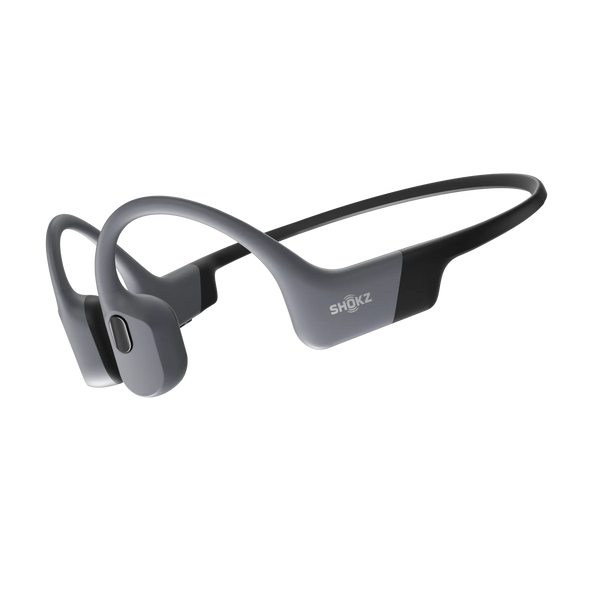
4. Construction and Industrial Sites
In noisy environments like construction or industrial sites, hearing alarms, machinery, and instructions is crucial while staying connected. Bone conduction headphones let you take calls or receive directions without blocking important sounds.
The Bonein BN-702 is designed for tough work environments. With an IP55 rating for water and dust resistance, it ensures durability in challenging conditions. The noise-canceling microphone provides clear communication in loud settings, while the open-ear design keeps you aware of your surroundings. Its secure fit ensures you stay focused on the task at hand.
FAQ
1. Do Bone Conduction Headphones Stay Put During Workouts?
Generally, yeah—bone conduction headphones hold steady through moderate activity. You might need a quick adjustment during intense movement or if you've got a narrower head shape. Flexible designs with memory wire cut down on the fidgeting and keep everything locked in place, reducing the need for frequent repositioning.
2. Can Bone Conduction Headphones Handle Strong Winds?
Bone conduction headphones are susceptible to wind noise due to their open-ear design. Wind turbulence at the open ear canal can interfere with the audio, causing a reduction in sound clarity. While the headphones bypass the ear canal and transmit sound through the cheekbones, the wind can still affect the listening experience, especially in gusty conditions.
3. Can You Still Hear People Talking Nearby?
Yes. Since nothing blocks your ear canal, ambient noise—including nearby conversations—comes through naturally. You get your audio without tuning out the people around you.
Conclusion
Bone conduction lets you enjoy your music, podcasts, or training cues without blocking your ears. Traffic in Manhattan, teammates on a Colorado trail, warning beeps on a job site—you hear it all. You stay aware of traffic, teammates, or environmental cues, even in busy or challenging settings. Alongside the OpenRun Pro 2 and OpenSwim Pro, the OpenRun Air 2 comfortable bone conduction running headphone is another Shokz option for enjoying open-ear audio while staying connected to your surroundings.


