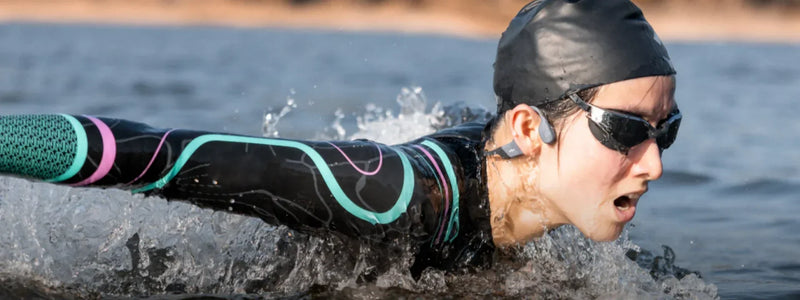
How to Choose the Right Earhook Earbuds

If you’ve ever had an earbud slip loose halfway through a run, needed to adjust it during a workout, or taken it out after a few hours because your ears were tired, you already know that the right fit matters.
That’s where earhook earbuds can make a difference. Instead of relying on a tight in-ear seal, they use a hook around the outer ear to help keep the earbuds in place while leaving your ears more open to the sounds around you.
But a secure hook is only part of the decision. The right pair also needs to match how you actually use it. Your priorities may look very different if you’re running every morning, wearing earbuds through a full workday, or switching between music and calls.
Before comparing models, focus on the features that will matter most in your routine: fit, comfort, sound, battery life, water resistance, connectivity, and controls.
Why Choose Earhook Earbuds?
Earhook earbuds are worth considering when you want a more secure fit without putting an earbud tip deep into the ear canal.
Stability During Movement
The hook helps keep the earbud positioned around the outer ear, which can be useful when you’re running, working out, or moving throughout the day. The shape and flexibility of the hook still matter, though. A design that feels secure without creating pressure is usually easier to wear for longer sessions.
Open-Ear Awareness
Because earhook earbuds can use an open-ear design, you can continue hearing your surroundings while listening. Along with a secure, comfortable fit, this open ear security and comfort can be useful when you want to stay aware of traffic, conversations, gym announcements, or a running partner.
Comfort for Longer Wear
A secure fit should not require constant pressure. Softer hook materials and a close-to-ear design can help reduce rubbing and pressure during extended wear.
That balance is important: the earbuds should stay in place without constantly reminding you that they’re there.
How Do I Know If Earhook Earbuds Will Actually Fit My Ears?
Look for a few practical signs rather than relying only on specifications.
-
The hook should sit close to your ear without leaving a large gap.
-
The earbuds should remain stable during movement, such as bending forward or turning your head.
-
The fit should stay comfortable over time, not become noticeably tighter or more irritating after 20 or 30 minutes.
-
The hook should feel supportive rather than restrictive.
Ear anatomy varies, so there is no single hook shape that will fit everyone the same way. A flexible return policy can also be useful when trying a new earhook design for the first time.
Fit is the starting point. From there, the best choice depends on the features that matter most in your everyday routine.
What to Look for in Earhook Earbuds
Once you know why an earhook design appeals to you, the next step is to compare the features that affect everyday use.
What Activity or Use Case Should Drive My Choice?
Start with the part of your day that will put the earbuds to the most demanding use.
For running or workouts, prioritize a secure fit, comfortable hook, and suitable water resistance. For long workdays, comfort, battery life, and call performance may matter more. For mixed daily use, look for a balance rather than maximizing one specification.
Your routine should determine which features deserve the most attention.
What Audio and Sound Quality Factors Matter for Earhook Earbuds?
Bass performance can be an important point to check when comparing open-ear designs. Without a sealed in-ear fit, the way earbuds produce and direct low frequencies can affect how full music sounds.
When comparing earhook earbuds, pay attention to:
-
Bass performance: Does music still have enough low-end weight for your listening preferences?
-
Vocal clarity: Are podcasts, calls, and vocals easy to follow?
-
Overall balance: Does the sound work well across different types of content?
-
EQ flexibility: Can you adjust the sound to suit your preferences?
-
Driver configuration: A more advanced driver setup can be useful, but the configuration itself does not guarantee better sound.
The goal is not to recreate the sealed sound of traditional in-ear earbuds. Instead, look for a sound profile that gives you enough bass, clarity, and detail for the way you actually listen.
How Much Battery Life Do You Really Need?
Think about how long you normally go between charging opportunities.
Single-charge playback matters most for long workdays, travel, or extended training sessions. Total battery life with the charging case becomes more useful when you spend several days using the earbuds between charges.
Quick charging can also make a difference. A short charge before leaving home can give you enough listening time for a commute, workout, or meeting when you forgot to charge overnight.
What Sweat and Water Resistance Rating Do I Actually Need?
Match the rating to where you plan to use your earbuds.
For everyday workouts, running, sweat, and light rain, IPX4 or above is a useful baseline. If you train outdoors frequently or want added protection against dust and water, IP55 offers a higher level of protection for active use.
Just remember that IP ratings can differ between the earbuds and charging case. A water-resistance rating on the earbuds does not mean the charging case has the same protection.
How Does Wireless Connectivity Affect the Decision?
Connectivity becomes especially useful when you regularly switch between devices.
For example, ear hook wireless earphones with a newer Bluetooth version and supported MultiPoint pairing can make it easier to move between a laptop and phone without manually reconnecting each time.
Look for:
-
A current Bluetooth version
-
Stable everyday connections
-
MultiPoint or similar device-switching support, when officially available
-
Compatibility with the devices you use most
These features may not be the first things you notice when choosing a fit, but they can make a noticeable difference in everyday convenience.
Why Does Control Design Matter?
Controls should be easy to use while you’re moving.
Physical buttons can provide clear feedback when adjusting volume, skipping tracks, or answering a call. Touch controls can also be convenient, but accidental inputs are worth considering during workouts or other active situations.
The best control layout is the one you can use without repeatedly stopping to check your phone.
Best Earhook Earbuds for Active and Everyday Use
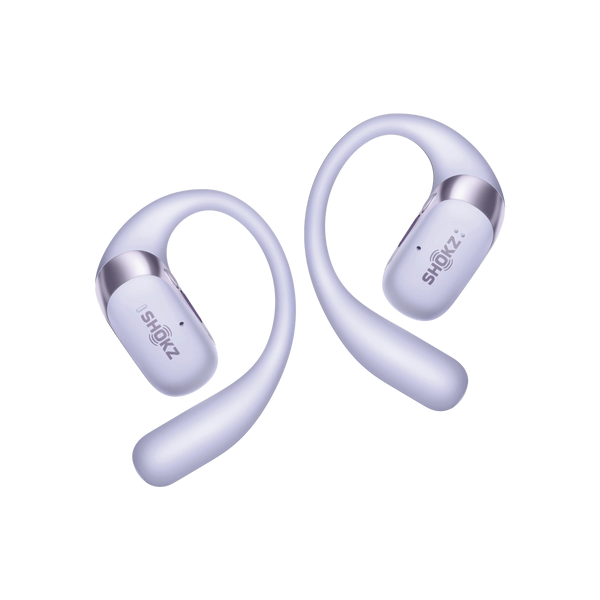
Shokz OpenFit 2+: A Versatile Pick for Workouts and Everyday Listening
If you want one pair of earhook earbuds to move from workouts to workdays, the Shokz OpenFit 2+ is a versatile option to consider.
Its Ultra-Soft Silicone™ 2.0 ear hooks are designed to provide a soft, close-to-ear fit, making the OpenFit 2+ suitable for users who want stability without giving up everyday comfort. The open-ear design also makes it easier to stay aware of what is happening around you while listening.
For music and other audio, the OpenFit 2+ gives you room to personalize the listening experience. The Shokz app includes 4 preset EQ modes and 2 customizable EQ modes, so you can adjust the sound rather than relying on a single default setting.
It also fits naturally into a full day of use. With up to 11 hours of playback on a single charge, you can spend less time thinking about when to recharge. A quick charge gives you additional listening time when you’re short on battery, while Qi wireless charging adds convenience between uses.
For people who regularly move between work and personal devices, MultiPoint Pairing can make switching between a phone and laptop easier. The earbuds are also IP55 rated, making them suitable for workouts, sweat, and light rain.
Core Highlights
-
Comfort & awareness: Soft ear hooks and an open-ear design for active and everyday use
-
Personalized listening: Preset and customizable EQ options
-
Less charging interruption: Up to 11 hours of playback with quick-charge support
-
Workday convenience: Easier switching between devices with MultiPoint Pairing
-
Active use: IP55-rated earbuds for sweat and light rain
How to Choose the Right Earhook Earbuds for Your Scenario
A good shortcut is to identify the situation that will put the most demands on your earbuds, then prioritize the features that matter there.
Quick Buying Guide
|
Your scenario |
What to prioritize |
|
Running & high-intensity workouts |
Secure fit, comfortable hook, water resistance |
|
Long workdays |
Comfort, battery life, call quality |
|
Music-focused listening |
Bass performance, clarity, EQ options |
|
Frequent calls |
Microphone quality, connectivity, device switching |
|
Outdoor listening |
Open-ear awareness, secure fit, water resistance |
|
Mixed daily use |
Balance of comfort, sound, battery, and connectivity |
If Your Priority Is Running or High-Intensity Workouts
Start with fit security and water resistance.
Look for an ear hook that stays close to your ear without creating excessive pressure. The material also matters: a softer, flexible hook may be more comfortable when you’re moving for longer periods.
Water resistance is another practical consideration for sweat and outdoor workouts. An appropriate IP rating can provide useful protection, but the rating should match how and where you train.
If You Wear Earbuds for 6 or More Hours a Day
Put comfort and battery life near the top of your list.
For long workdays, commuting, and extended listening, a lightweight design and comfortable hook can matter more than a feature that looks impressive on a spec sheet. Battery life also becomes more useful when you may not have time to recharge during the day.
A simple test is to think beyond the first hour: would you still want to wear the earbuds after a full work block, lunch, and your commute home? If the answer is no, revisit the fit before prioritizing additional features.
If Calls Are Part of Your Routine
Pay close attention to microphone performance and connectivity.
For people who move between a phone and laptop, MultiPoint Pairing can reduce the need to disconnect and reconnect manually. A microphone system with noise-cancellation features can also be useful when you take calls in environments with background sound.
The goal is not to find the most complicated microphone setup. It is to find one that fits the places where you actually take calls.
If Situational Awareness Is the Reason You’re Shopping This Category
Open-ear listening is one of the main reasons to consider this style of earbuds.
You can listen to music or podcasts while remaining aware of traffic, conversations, gym announcements, or a running partner. That can be especially useful when you want entertainment without completely separating yourself from what is happening around you.
For this use case, look beyond the open-ear label itself. Fit and stability still matter, because an earbud that moves around during activity can make listening less consistent.
If Music Is Your Main Priority
Pay closer attention to bass performance, vocal clarity, overall balance, and EQ flexibility.
Open-ear earbuds with a more advanced driver configuration can produce a fuller presentation, but specifications alone do not tell you how the final sound will suit your preferences.
If you listen across different genres, customizable EQ can be particularly useful. It gives you more room to adjust the sound rather than relying entirely on the manufacturer's default tuning.
FAQ
Are Earhook Earbuds Good for Running?
They can be a strong option for running because the ear hook helps keep the earbuds positioned during movement, while an open-ear design allows you to remain aware of your surroundings. Look for a comfortable hook that stays secure without creating excessive pressure, along with water resistance that matches your training environment.
Are Earhook Earbuds Comfortable for Long-Term Wear?
They can be, but comfort depends heavily on the fit. Look for a lightweight design, a soft or flexible hook material, and a shape that stays secure without pressing too tightly against the ear. Because ear anatomy varies, a comfortable fit for one person may not feel the same for another. For longer sessions, the best test is whether the earbuds remain comfortable after several hours rather than only during the first few minutes.
Final Buying Filter
Still deciding how to choose the right earhook earbuds? Start with the part of your routine that matters most.
- For exercise: Prioritize a secure, comfortable fit and water resistance.
- For long wear: Focus on comfort, hook flexibility, and battery life.
- For calls: Look at microphone performance, connection stability, and device switching.
- For outdoor listening: Prioritize open-ear awareness, fit, and water resistance.
- For mixed daily use: Look for a balanced combination of comfort, sound, battery life, and connectivity.
The goal is not to find the earbud with the most impressive specification sheet. It is to find one that fits naturally into the way you actually use it.
For users who want one pair to cover workouts, commuting, calls, and everyday listening, the Shokz OpenFit 2+ brings several of these priorities together in one open-ear design. For those who prefer a lighter option for everyday use, OpenFit Air 2 lightweight open earhook earbuds are another option to consider.